
Democrats in the U.S. House of Representatives and the U.S. Senate on Tuesday introduced a bill aimed at reforming the standard for police use of force in the final days of the congressional session.
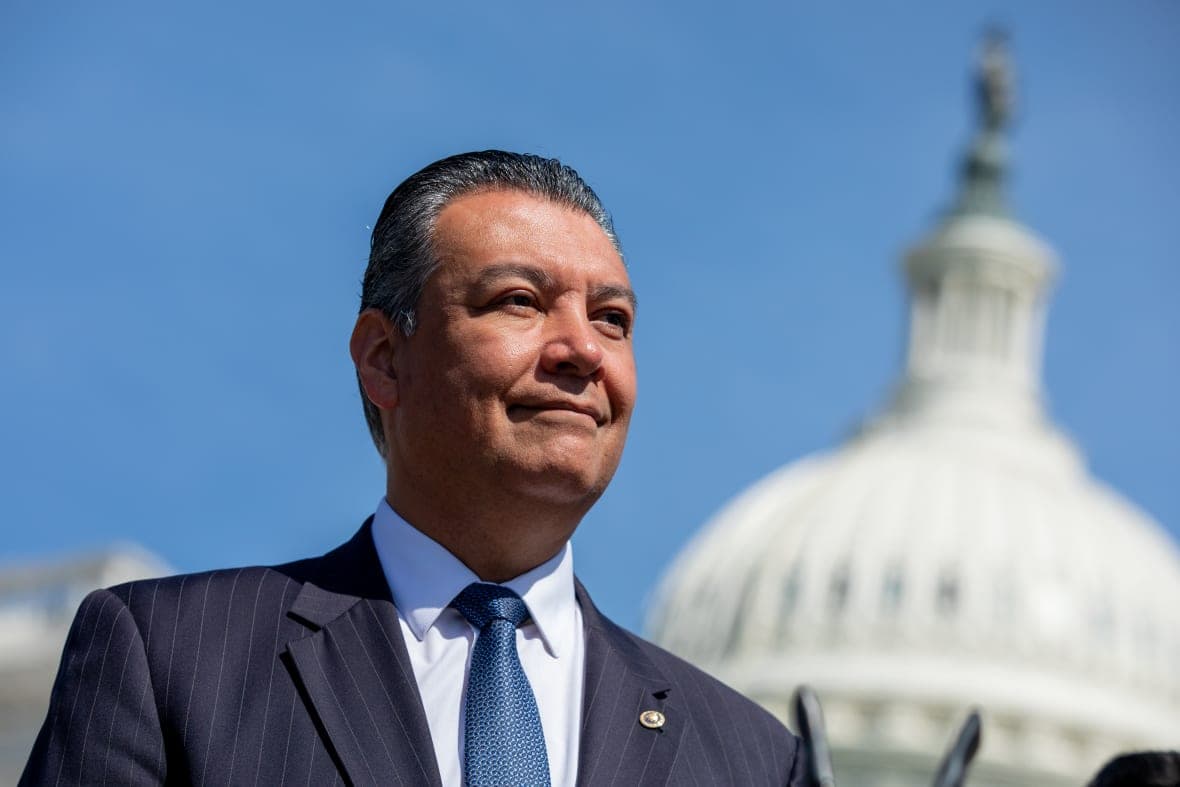
The PEACE Act of 2022, an acronym for Police Exercising Absolute Care With Everyone, was introduced in both chambers of Congress by California lawmakers U.S. Rep. Ro Khanna and Sen. Alex Padilla.
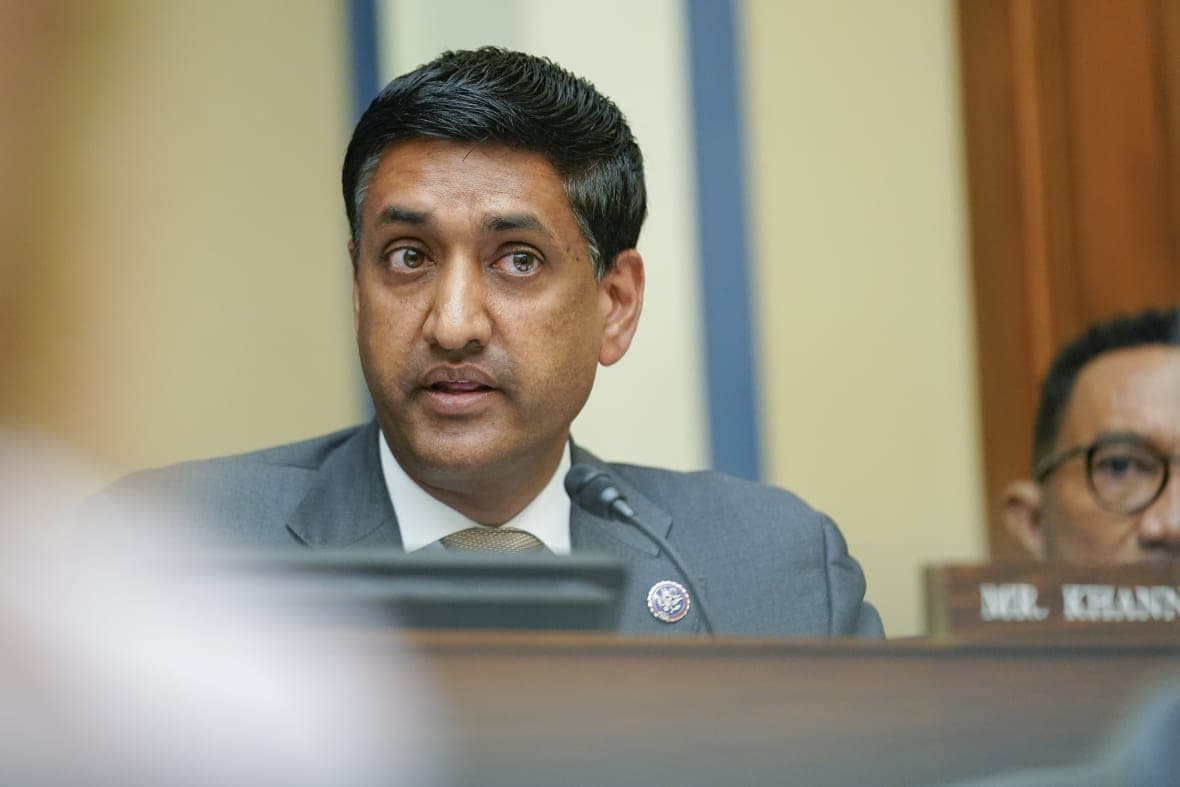
The bill would change federal law to state that a law enforcement officer may only use deadly force or less lethal force unless it is necessary. If passed into law, it would only require federal law enforcement to adhere to the new standard, however, the bill would also “encourage” states to adopt similar laws or policies.
This is the second time that the PEACE Act has been introduced in Congress. Khanna first introduced the bill in 2019 with former U.S. Rep. William Lacy Clay, D-Ill., on the fifth anniversary of the 2014 fatal police shooting of Michael Brown in Ferguson, Missouri.
Ferguson police officer Darren Wilson, who shot and killed Brown, an unarmed Black teenager, did not face grand jury charges after the officer claimed that he discharged his firearm because he feared for his life.
“Right now, in this country, you can use force if you think it is reasonable. We’re the only country in Western democracies that has that standard,” Khanna said in exclusive remarks to theGrio in explaining why he is re-introducing the bill in Congress. “In almost every other European nation, Western democracy, you’re not allowed to use force unless it’s a last resort — unless it’s absolutely necessary.”
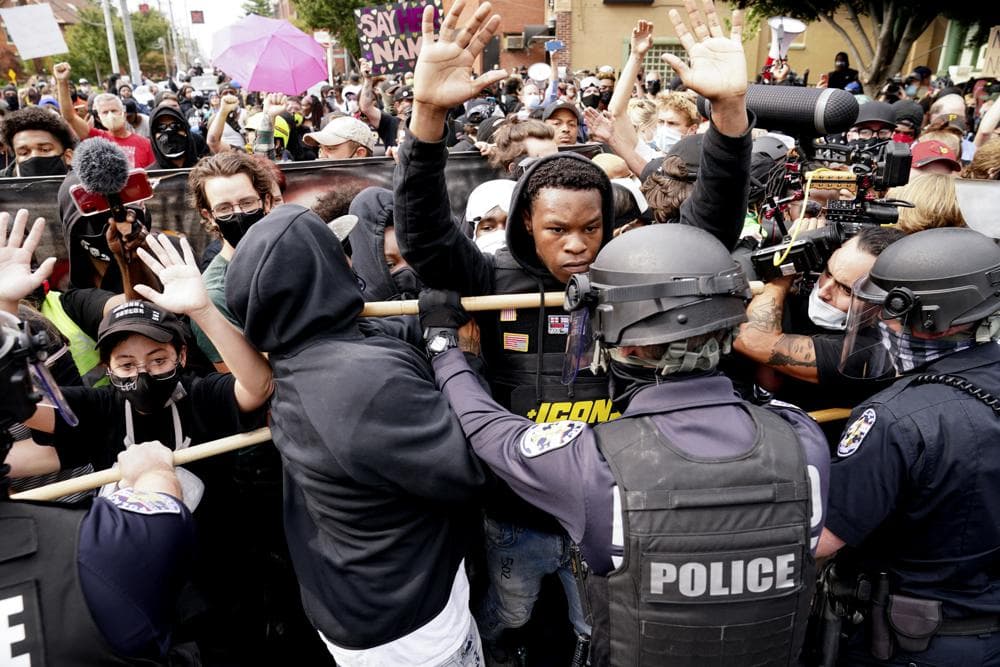
Khanna noted that the difference in the standard for police use of force in the U.S. versus other Western democracies is one that is significant and literally costs lives. “It’s the difference between a police officer shooting someone unarmed and saying, well, I thought they were reaching for a gun, where it really was that they were reaching for a wallet, and that being seen as reasonable and having no consequence versus a standard that says, no, you can’t shoot unless it was an absolutely necessary act.”
In a statement provided to theGrio, Sen. Padilla said: “In order to protect our communities, we must establish clear national guidelines on the use of deadly force — and hold those officers who violate them accountable. Because we’ve seen over and over again the tragic consequences, particularly in communities of color, when we don’t.
He added, “The PEACE Act will work to raise the standard on use of deadly force to save lives and hold the federal law enforcement officers who serve our communities to the high standard that Americans deserve.”
Khanna acknowledged that when it comes to police abusing their authority as it relates to using lethal and less lethal force, Black and brown Americans often suffer disproportionately. A Harvard research study in 2020 found that Black Americans are three times more likely to be killed by law enforcement.
“This has been the history in this country … the stereotypes still prevail when police officers come and they see Black Americans and brown Americans and certain communities,” said Khanna. “Their stereotypes and biases kick in and they think there is a threat.”
He said police officers have “too often in this country acted in shooting or hurting or killing people who are totally unarmed — people who are innocent. That mindset has to change … it has to change culturally, but it also has to change legally.”
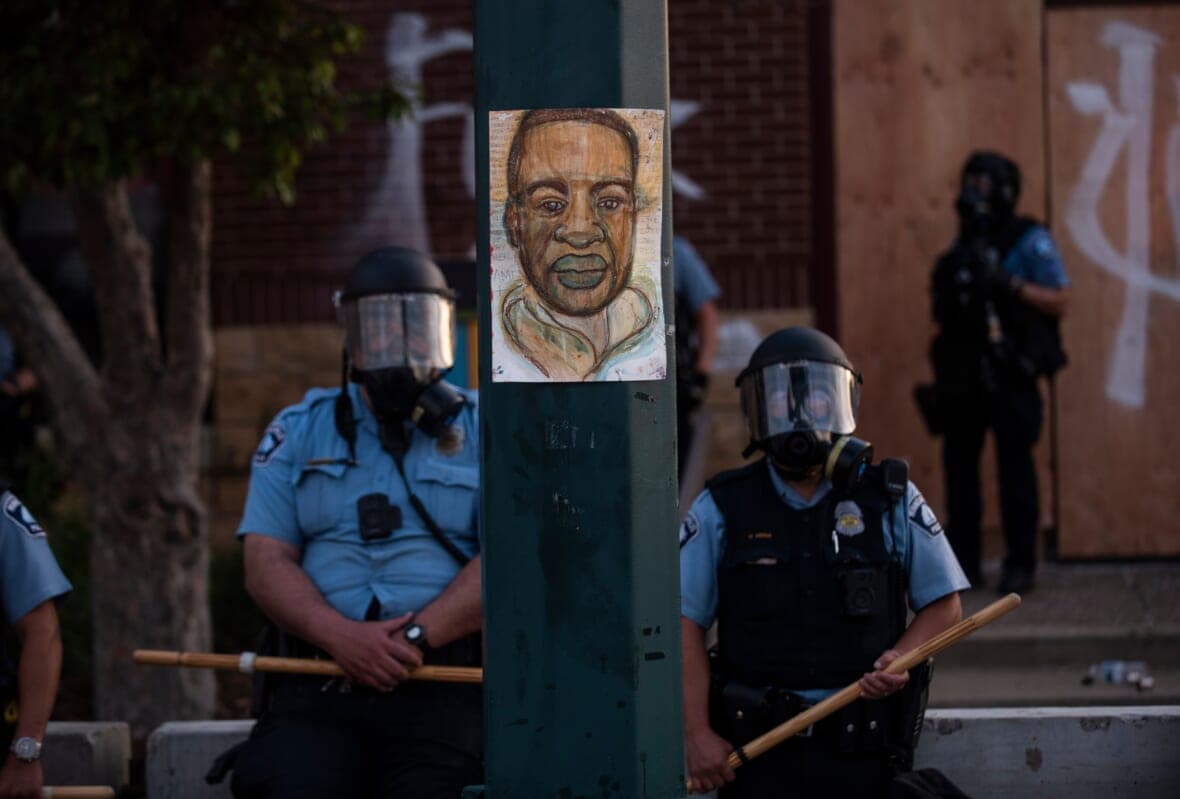
The PEACE Act was initially included in the George Floyd Justice in Policing Act, which President Joe Biden called on Congress to pass by the one-year anniversary of George Floyd’s murder last year. However, bipartisan talks over the bill tanked in Congress after Republican senators backed away from the negotiating table.
“Since George Floyd, the United States Congress has not passed a single bill to deal with police violence,” said Khanna. “The House has passed it, but we have not passed anything in the Senate. So there’s been a lot of talk, but we still have not taken action.”
Despite the failure of the Floyd bill on Capitol Hill, Khanna said he is hopeful that the PEACE Act can be moved out of committee and brought to the floor for a vote. While the bill would easily pass in the House, which Democrats currently control until Jan. 3, 2023, it’s not certain that it would get the needed 60 votes in the Senate. Democrats in the Senate would need 10 Republicans to vote with them to send it to Biden’s desk.
Khanna said the PEACE Act is one of a few provisions in the George Floyd bill that have “bipartisan appeal.” A ban on chokeholds is also something he believes could’ve successfully moved through Congress. “These are commonsense things we can agree on now,” said the congressman who sits on the House Committee on Oversight and Reform.
He said he also supports a law that would not give officers “blanket immunity” — also known as qualified immunity — which was a point of contention for Republicans. Khanna admits provisions like that one are more “controversial” and on which it is therefore “harder to get 60 votes in the Senate.”
Next year, Republicans will take over majority rule in the U.S. House. The lawmaker said he is less hopeful that Congress will be able to pass substantive police reform measures in a Republican-controlled House.
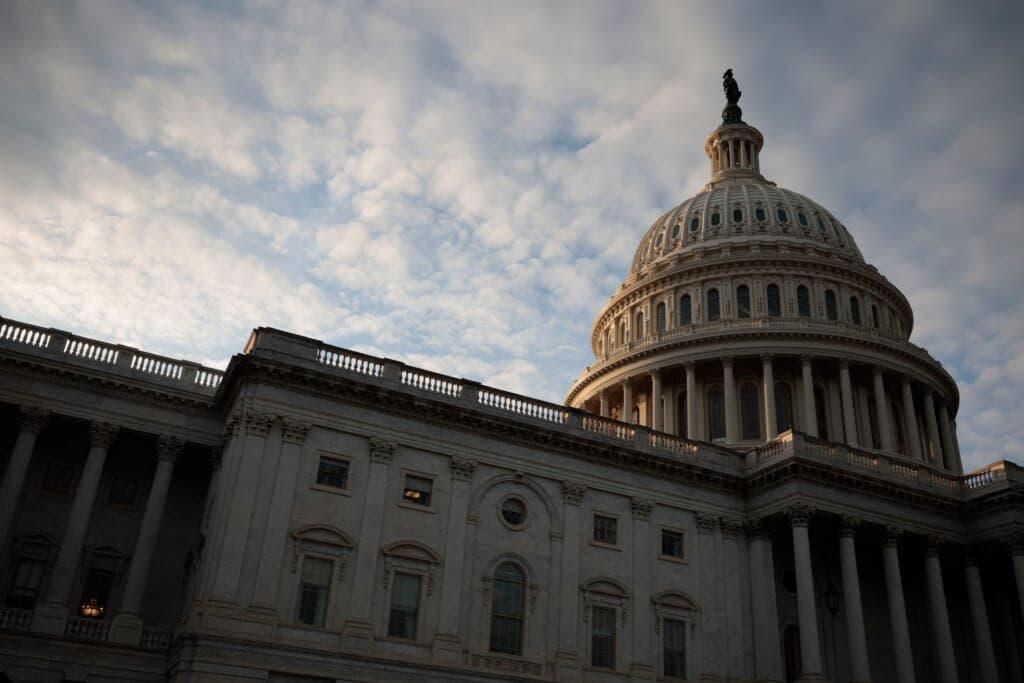
“I think it will be difficult,” he said. “The Republicans didn’t give us a single vote on George Floyd. And so to get it through a Republican House is going to be hard.”
In the absence of congressional action on policing, Biden earlier this year signed an executive order that provided some reform, including restricting no-knock warrants and banning chokeholds.
Khanna said he thinks the president should “do whatever he can through executive order to reform and hold accountable police” when it comes to using force and “situations where young, often Black men and women and brown men and women, are being accosted by police in ways that are overly aggressive.”
He added, “It’s going to be the whole ballgame because the Republican House isn’t going to move on it.”
TheGrio is FREE on your TV via Apple TV, Amazon Fire, Roku and Android TV. Also, please download theGrio mobile apps today!
