
Editor’s note: The following article is an op-ed, and the views expressed are the author’s own. Read more opinions on theGrio.
On most cruises, the first thing that greets you is the ocean. On the “Disney Destiny,” the first thing that greeted me was Wakanda.
The moment my family and I stepped into the Grand Hall—the ship’s dramatic atrium—we froze. Standing at the center of the space was King T’Challa himself, cast in a black-patina bronze with silver accents that caught the light in a way that felt almost ceremonial. My aunt gasped. My sisters grabbed each other. And my youngest sister, who had dreamed of visiting Disney for years but never had the opportunity, whispered, “We made it.”
Disney intended the statue to make a statement. And it does. It’s a welcome—one Black families don’t often receive in travel spaces where our narratives are usually adjacent rather than central. But aboard the newly christened “Disney Destiny,” that welcome signals something more profound: the reassurance that this ship was designed with us in mind.
A Ship That Asks: Do You Feel Seen?
I spoke with Yolanda Cade, Vice President of Communications and Public Affairs for Disney Signature Experiences, she immediately understood why I asked whether the “Destiny” was built with communities like mine in mind. “We obsess about this question,” she said. “We want every guest to feel seen, heard, and recognized. Representation matters, and the stories on this ship were handpicked and curated for that reason.”
That promise shows up everywhere. The Grand Hall’s Wakanda-influenced design is only the first cue. “Destiny” weaves in narratives that resonate deeply with Black audiences, from the Pride Lands dining experience inspired by “The Lion King” to a reimagined “Hercules” stage production infused with gospel influences and led creatively by the Wilson brothers, Kevin and Marcel–whose resumes include working with Janet Jackson and Beyoncé. The effect is unmistakable: the entertainment reflects the cultures that shaped many of us long before we ever considered taking a cruise.
Cade described the ship as a “storybook,” with each vessel in the Disney Cruise Line fleet representing a different chapter. “Destiny’s” chapter feels like one where Black travelers, families, and creatives finally get whole pages of their own.
A Diverse Table Behind the Scenes
When I asked Cade if Black creatives were involved in building “Destiny”—an answer corporate leaders often stumble over—she didn’t hesitate. The team behind the ship spans a range of backgrounds and lived experiences, she said, and diversity was not merely symbolic. It included decision-makers, imagineers, executives, and communicators who brought cultural expertise and authenticity into the design process.
“To deliver this type of experience, it takes a diverse collection of creatives and executives,” she said. “That diversity—in thought, ethnicity, and experience—is fully represented. I’m very proud to have had a seat at that table.”
That representation influenced everything from the thematic choices to the micro-details: the mosaic floor tiles in De Vil’s Lounge that reference exactly sixteen tiny paw prints from the film; the redesigned Saga space that reflects the distinct tribes of Wakanda; and the intentional texturing, finishes, and motifs chosen for the artwork lining the ship’s corridors.
My Family’s First Cruise, and the Destiny Made It Feel Personal
This wasn’t just my first Disney cruise—it was my first cruise, period. And as someone who rarely sees herself reflected in luxury or travel spaces unless the reflection is incidental, it was hard not to be moved. Cade told me that feedback like this is exactly what the team hoped for. “It makes the difference when you step aboard,” she said. “Hearing that you and your family felt seen means everything to us.”
That sense of care carried into the stateroom design. With four tall adults sharing a room, I expected the usual cruise-ship compromise: tight corners, cluttered walkways, and sleep arrangements that require negotiation. Instead, Disney’s split-bathroom concept, generous storage, and thoughtful layouts made the cabins feel genuinely comfortable. Cade explained that imagineers build full-scale room models during the design process, testing the utility before finalizing anything, and adjusting elements based on real feedback.
Small touches—a place for every suitcase to slide out of sight, mirrors that keep everyone from crowding the same corner, linens and finishes chosen for both durability and beauty—turned what is normally the most stressful part of cruising into a non-issue.
What “Destiny’s” Debut Means for Black Travelers
Disney’s newest ship is, unquestionably, a family vessel. But what “Destiny” adds to the cruise landscape is a sense of narrative belonging. Black travelers, especially Black families, continue to be one of the fastest-growing segments in leisure tourism, yet representation in mainstream travel spaces hasn’t kept pace.
The “Destiny” feels like an answer to that gap. Its art, entertainment, and design not only include Blackness—they revere it. They don’t ask Black guests to search for pieces of themselves; they place our stories at the center.
For my family, that mattered. And judging by the reactions of other guests I met—one mother telling me she finally felt comfortable bringing her kids on a cruise; a grandmother already planning her next sailing; a young girl hugging the T’Challa statue before dinner—it matters to many others, too.
“Disney Destiny” isn’t just a new ship. It’s a signal of what travel can look like when companies stop asking whether representation is “risky” and start asking how they can make travelers feel seen.
The answer, as it turns out, looks a lot like Wakanda greeting you at the door.
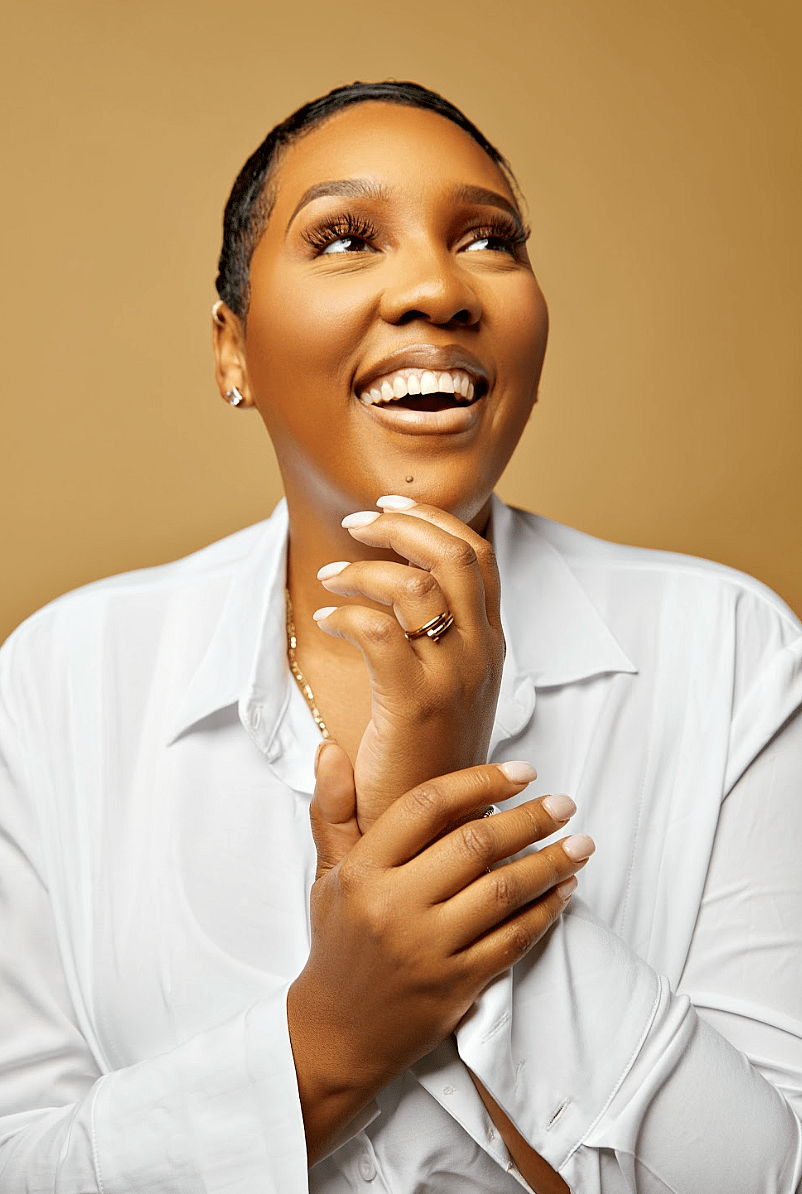
Jasmine Browley is a journalist and communications strategist whose work appears in the New York Times, Forbes, BET, ESSENCE, and The Root among other outlets. She is the co-producer and host of BET’s weekly Impact Report, where she examines how policy and culture affect Black communities. Jasmine also leads HLS Communications, a boutique PR and ghostwriting firm serving entrepreneurs, executives, and public figures.
