
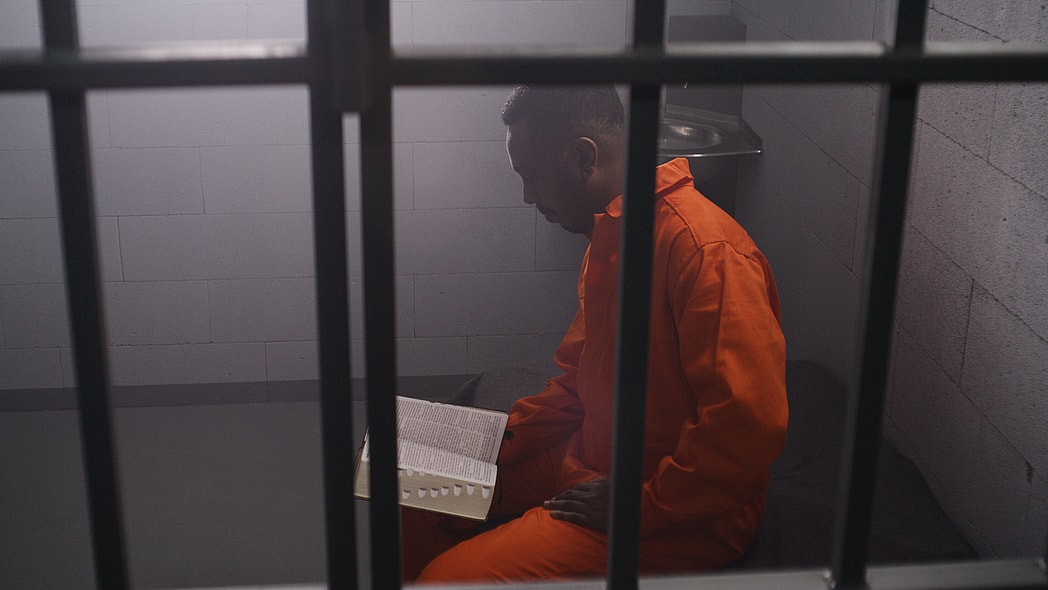
Arkansas is poised to impose what advocates say is the most extreme restriction in the nation on access to reading material behind bars: a total ban on sending books, magazines or newspapers into state prisons from any outside source.
The policy, adopted by the Arkansas Board of Corrections on Dec. 19, goes into effect Feb. 1. Once implemented, it will sever a decades-old practice that has been a vital connection between incarcerated people and their families, faith communities, educators, and the broader world beyond prison walls.
In a Dec. 30 memo sent to inmates, Dexter Payne, the director of the Arkansas Division of Correction, said the ban is necessary because of an increase in contraband, particularly drugs, being smuggled into facilities through printed materials, per the Arkansas Democrat Gazette. The memo assures incarcerated people they will still have access to prison libraries, digitized publications on state-issued tablets, religious materials through chapels, and television and radio for news and current events.
“This comprehensive prohibition on incarcerated individuals receiving external hard-copy publications directly into an ADC facility is necessary to mitigate significant security risks posed by increasingly sophisticated methods of contraband introduction,” Payne wrote, as reported by the publication.
But for many families, advocates and people inside, the reality of this ban feels much greater. Under the previous policy, in place since 2007, books and magazines could be sent to incarcerated people as long as they came directly from publishers or approved vendors. Corrections staff reviewed materials on a case-by-case basis and could reject publications deemed a threat to security or contrary to rehabilitation goals. The new rule scraps that framework entirely, replacing it with an absolute ban.
A review of prison policies nationwide by the Arkansas Democrat-Gazette found no other state with such a sweeping prohibition.
“This is certainly the most thorough and harshest ban I’ve heard of,” Wanda Bertram, a spokesperson for the Prison Policy Initiative, shared. “I’m not happy to see this, but I’m not surprised.”
In a Dec. 8 memo to the Board of Corrections, Payne detailed 25 instances between January 2022 and August 2025 in which drugs were allegedly smuggled into Arkansas prisons through books and other printed materials. According to the memo, substances including synthetic marijuana and methamphetamines were found sprayed onto pages, hidden in book covers, or tucked into spines. Among the confiscated items were shipments of Bibles, copies of the Quran, and more.
The memo framed these incidents as part of “continued and escalating attempts” to introduce “potentially fatal substances” into facilities, warning that contaminated paper poses a “direct and severe risk” to incarcerated people and staff alike.
But critics argue the state’s response is wildly disproportionate.
“There’s going to be some drugs coming in from every avenue,” Bertram said. “That’s what makes this so horrible.”
She added that while contraband is a real issue, books are being used as a convenient scapegoat, at the expense of families who are already doing the emotional and financial labor of supporting loved ones inside.
Arkansas is not alone in tightening restrictions around mail and publications. In September, the Florida Department of Corrections began routing all nonlegal mail through a private scanning center in Tampa, Florida, where letters are digitized and delivered electronically. But even among states that have adopted stricter controls, most still allow books to be sent directly from publishers or approved retailers like Barnes & Noble, which even offers guidance for shipping to correctional facilities.
Though the Arkansas Department of Corrections claims incarcerated people can access more than 50,000 titles on state-issued tablets and request books through prison libraries, advocates note that prison libraries are often underfunded, unevenly stocked, and tightly curated, limiting both choice and a sense of independence. Robin Graham, publisher of Spotlight on Recovery, a magazine featuring writers from 93 prisons across 34 states, says the ban will silence voices in Arkansas entirely.
“They are hurting the support that is needed for prisoners to change their lives,” Graham said
Only time will tell whether Arkansas’ decision sets a precedent for other prisons across the United States.
