
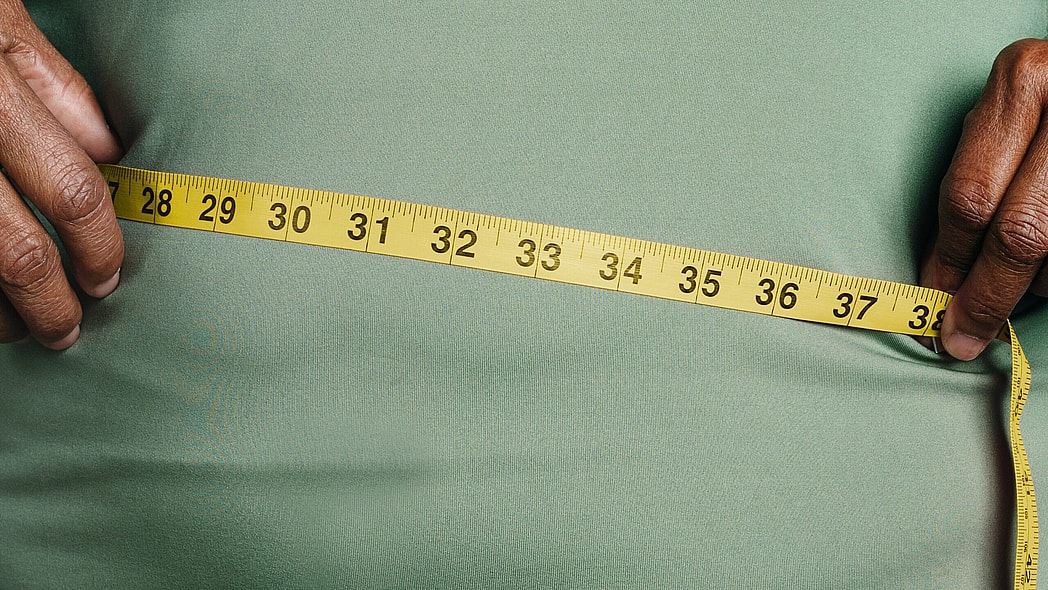
Adult obesity, which has steadily increased for more than 30 years, is projected to affect nearly half of U.S. adults, about 126 million people, within the next decade.
New research published in JAMA on Wednesday, Jan. 28, shows that the proportion of American adults living with obesity climbed from 19.3% in 1990 to 42.5% in 2022, more than doubling over a little more than three decades. Even more concerning, researchers estimate that rate could reach roughly 46.9% by 2035.
Drawing from two nationally representative, cross-sectional surveys, the study examined data from 11,315,421 U.S. participants, including Body Mass Index (BMI) figures, USA Today reported.
Still, BMI comes with important caveats. The study authors acknowledged that BMI “does not directly measure body fat or account for body composition,” and noted that those inaccuracies “may differ by demographic group.” Researchers also pointed to limited data in certain regions and the use of self-reported health information as additional constraints.
When the data was broken down by age, sex, race, and ethnicity, significant gaps in obesity rates emerged, according to U.S. News.
Black women recorded the highest obesity prevalence in 2022 at 56.9%, followed by Hispanic women. Women overall were more impacted than men, and higher rates were concentrated in Southern states. In contrast, non-Hispanic Black men saw the smallest increase over time.
Adults between 45 and 64 had the highest overall obesity rates, while women under 35 experienced the sharpest recent rise. Researchers warn this pattern could mean younger women face obesity-related conditions, including diabetes and heart disease, earlier in life.
Experts say these racial and ethnic disparities underscore how social and structural factors such as income, access to healthcare, food options, and opportunities for physical activity may be shaping outcomes.
“Obesity is due to a multifactorial set of causes including, but not limited to, access to healthy food, aspects of the built environment, and physical inactivity,” Dr. Catherine Johnson, lead research scientist at the Institute for Health Metrics and Evaluation at the University of Washington and a co-author of the study, told ABC News.
While healthy eating, physical activity, and lifestyle changes can help reduce risks, specialists emphasize that broader access to high-quality medical care is essential.
“Obesity is currently a major public health threat and this is likely to continue,” Johnson said. “Public health strategies that deliver real results, as well as increased and equitable access to clinical interventions, are urgently needed to make a difference.”
