
Editor’s note: The following article is an op-ed, and the views expressed are the author’s own. Read more opinions on theGrio.
It’s February in African America, and you know what that means: Black History Month.
The monthlong celebration this year—2026—coincides with the nation’s semiquincentennial anniversary. On July 4, 2026, the United States of America turns 250 years old, which is “older” than many other countries, especially those that were subject to European colonization, but super young compared to the colonizers. I put “older” in quotes because countries like Ghana, Nigeria, India, even the United States, existed long before any official political boundaries were established for the purpose of sovereignty.
With that said, 250 years is an age worth celebrating. Over the course of the year, the nation will undoubtedly do all it can to laud our positioning in the world community as well as celebrate our achievements as a nation—we’re even fortuitously hosting most of the FIFA World Cup matches this summer, including the final at MetLife Stadium in New Jersey. At this point in history, the President of the United States of America is seen as the leader of the free world, even if that looks a little different right now. From scientific and technological innovation, inventions that have literally changed the world, and cultural exports like hip-hop and jazz (essentially any and all part of Black Culture), the United States does have a lot to celebrate.
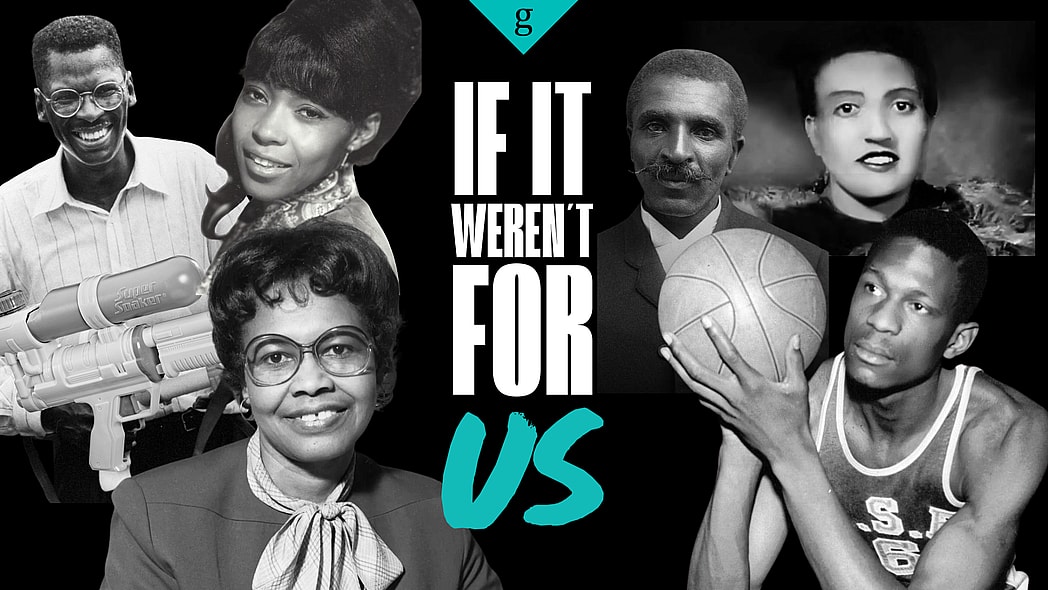
At the same time, the powers that be are making no bones about their intentions to erase the historical significance and contributions of Black Americans from the front pages of history, or at least they are attempting to do so. Try as they might, it is impossible to do. The spirit of Black Americans is intertwined with this country’s very existence, sewn into the fabric of our being, whether in the physical through literal grounds built with enslaved labor like the U.S. Capitol or White House, innovations like the traffic light, microphone or even Super Soaker water guns, or artistic contributions, be they in music, literature, photography, or paintings. The list goes on, and it is endless.
The story of America cannot be told without including Black culture, since, well, this country literally would not be what it is today without the contributions of those, both well-documented and unknown. Rock and roll is a Black musical form, a meshing of the blues, gospel, and jazz. Hip-hop carried on those traditions and has become the actual sound of world musical communication. If it weren’t for us, for Black Americans, the definition of cool would simply be related to temperature.
That cool lends itself to fashion, and the way Black culture made a way where there wasn’t one—introducing styles and ways of thinking about presentation borne of imagination and creativity—landing in the magazines and trades of the fashion houses around the world.
Art and culture aren’t the only places Black Americans have led the way; the fight against injustice has long been a way that America has benefited from the sacrifice of those who have been oppressed by its own practices. While diversity, equity, and inclusion have been under attack, the efforts of those who gave their time, life, and sacrifice for civil rights and women’s rights have undoubtedly made this country a better and stronger nation. Black women have been at the vanguard of every movement for progress in this country, from education to suffrage, ensuring a country that looks more like its people, even as it struggles to come to grips with an identity the white male power structure isn’t prepared to accept.
To try to list the ways in which this country would fall apart without us would be a fool’s errand. It’s a fact and it doesn’t need to be validated. However, we should celebrate the resilience and the joy we’ve manufactured and turned into a mantra and ethos. We know that if it weren’t for us, there’d be no properly seasoned food and all potato salad would come with raisins. Casserole would be the national food of the United States.
Without us, a state representative in Georgia suggesting that lemon pepper (wet) be the official flavor of the state would seem odd, instead of, a no-brainer. The sounds of America would be quieter and less lively. We hold those truths to be self-evident because we’re here and we’ve seen what happens when you try to silence the voices and the existence of Black people. If it weren’t for us, who knows how many dreams would be deferred? While most of us know that America has absolutely not lived up to what it promises to be, without us, it would be worse for everybody here.
If it weren’t for us, who knows where the United States of America would be?

Panama Jackson is a columnist at theGrio and host of the award-winning podcast, “Dear Culture” on theGrio Black Podcast Network. He writes very Black things, drinks very brown liquors, and is pretty fly for a light guy. His biggest accomplishment to date coincides with his Blackest accomplishment to date in that he received a phone call from Oprah Winfrey after she read one of his pieces (biggest) but he didn’t answer the phone because the caller ID said “Unknown” (Blackest).
