

Black Americans have shaped every aspect of American life, driving innovation, culture, leadership, and social progress for generations. As we reflect on this profound and enduring impact, we are reminded that health is both a foundation for progress and a measure of equity. As we celebrate the contributions and accomplishments of Black Americans on the cultural and societal fabric of the United States, we must remember that good health sits at the center of that work. In addition to Black History Month, February is Heart Health Month, a time to raise awareness about heart health and the steps needed to prevent disease. Together, these observances create an important opportunity to honor progress and lift up the health of Black communities.
Heart disease remains the leading cause of death in the United States, and Black Americans are disproportionately impacted. One critical and often overlooked way to advance heart health equity is by improving access to obesity care.
Black folks, and specifically Black women, are disproportionately impacted by obesity in the United States. In fact, 57% of Black American women are currently living with the disease, which is associated with over 200 other health conditions, including heart disease, diabetes, and many types of cancers.
However, these statistics are not the end of the story. There are obesity care tools and resources available that can create better health outcomes for Black women everywhere, and with improved access, improved health is possible.
Obesity is recognized by leading medical professionals as a serious, chronic disease caused by many factors outside of an individual’s control, such as genetics and the environment. Despite this, health insurance coverage hasn’t caught up. Many public and private insurers place barriers, such as Body Mass Index thresholds, on obesity care or don’t offer coverage at all. These limitations, compounded with historical healthcare bias and societal stigma, continue to keep care out of reach for Black women living with obesity.
However, by collectively raising our voices, Black women can be powerful advocates in the fight for obesity care coverage.
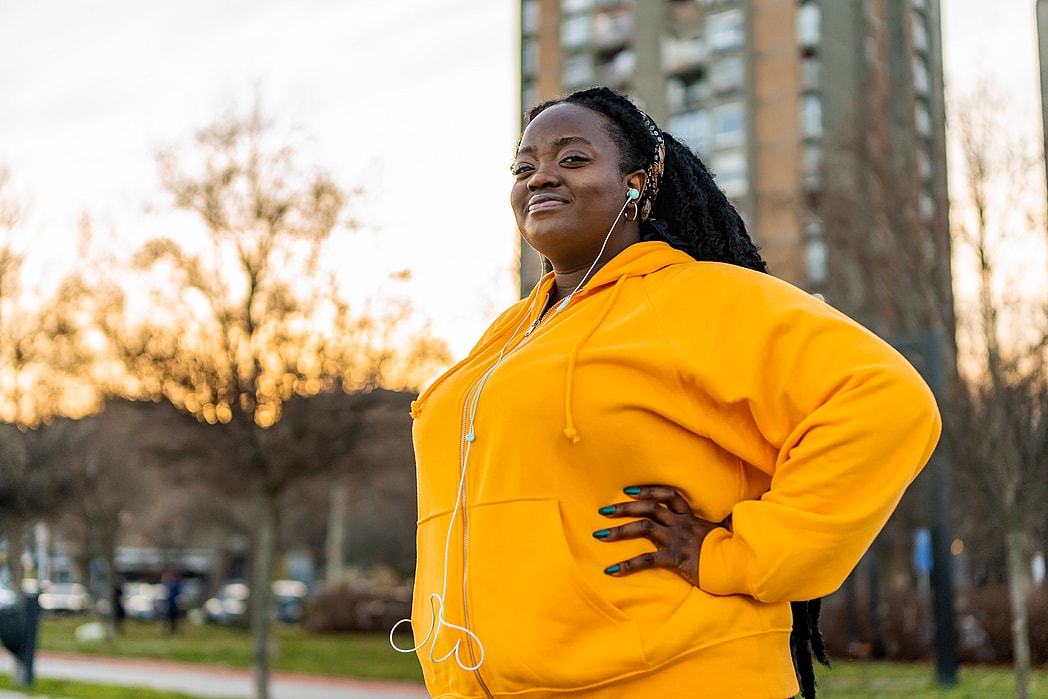
EveryBODY deserves access to comprehensive obesity care.
When we change the message, we can begin to change the mindset. One way you can take action is to sign the EveryBODY Covered pledge calling for expanded access to obesity care. The EveryBODY Covered campaign, led by the Alliance for Women’s Health and Prevention, is working to ensure that everybody has access to evidence-based obesity care options. By signing this pledge, you are taking steps to support your own health and the health of your community – helping to improve access to care for years to come.
The pledge calls on insurers, policymakers, and employers to provide access to obesity care, championing a patient’s right to work with their healthcare provider to decide on the best evidence-based obesity treatment for them, and have insurance coverage for that care. Comprehensive obesity care options include counseling or intensive behavioral therapy, nutrition or dietitian services, bariatric surgery, and obesity management medications.
With the necessary tools for treatment, Black women can prioritize their health and wellbeing and lessen the burden of obesity and its associated health impacts, including heart disease. By working together to advocate for change, our voices are louder, and our calls for action are heard. As we honor Black History Month and observe Heart Health Month, we must recognize that improving access to care is critical and a needed step toward protecting overall health and advancing health equity for Black women and our communities. Comprehensive obesity care should be covered just as care for other chronic diseases is covered – it’s only fair.
