
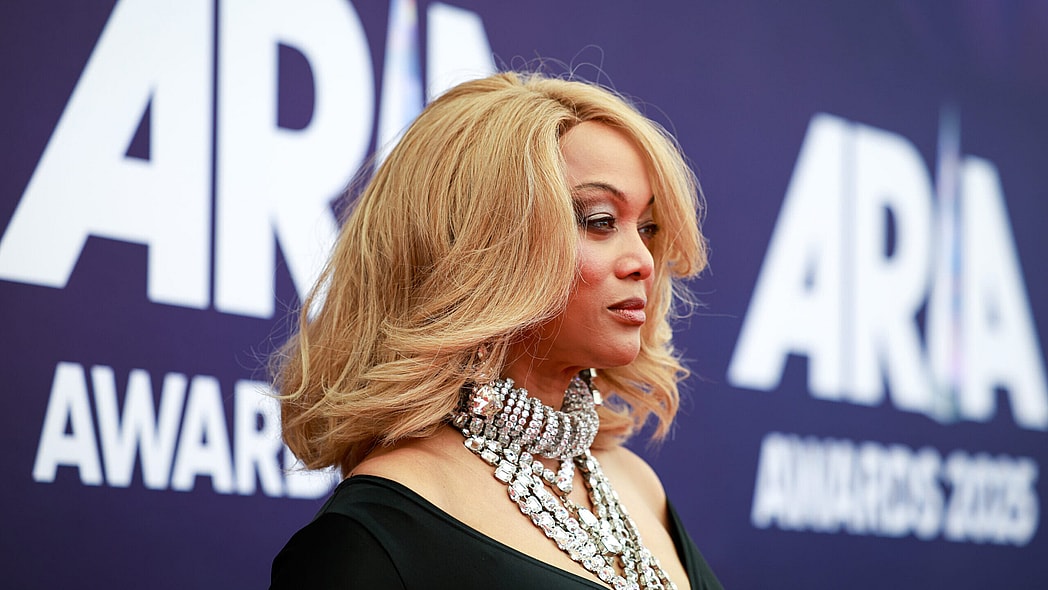
Netflix’s new documentary “Reality Check: Inside America’s Next Top Model,” directed by Mor Loushy and Daniel Sivan, has landed on the platform, bringing renewed controversy and scrutiny of the long-running reality competition series and its most recognizable face, Tyra Banks.
The 52-year-old fashion icon participates in the three-part documentary, which revisits the show’s controversies, cultural impact, and complicated legacy. Her decision to sit down for the project has sparked strong reactions online, with some viewers calling for greater accountability. According to the filmmakers, the series would have moved forward with or without her involvement.
“This documentary was happening, regardless if she was giving an interview or not, and she decided she did want to share her side of the story,” Loushy told The Wrap. “I’m very happy that she did, because it gave the opportunity to really go deep into the debates, into the start of the idea, and not by a third person but from Tyra herself, to really hear the journey that she’s been through.”
The docuseries, which debuted Monday, Feb. 16, traces “America’s Next Top Model” back to its earliest days, when Banks was pitching the concept to networks before UPN ultimately gave it a green light. The series, which pulled contestants from obscurity and dropped them into high-stakes fashion challenges in pursuit of a modeling career launchpad, premiered in 2003 and ran for 24 cycles through 2018. Over the years, it produced some of reality television’s most infamous moments, many of which Banks addresses in the documentary alongside several of the show’s former contestants and collaborators with what many viewers have described as a rather detached tone.
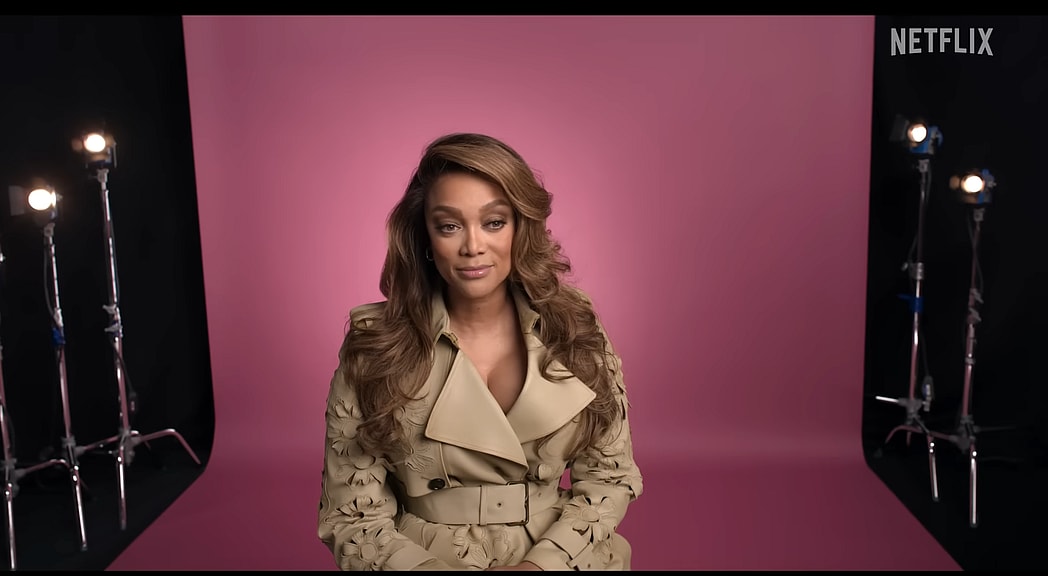
The directors say no topic was off limits, including Banks’ decision to fire longtime collaborators Jay Manuel, Miss J. Alexander, and Nigel Barker in 2012 at the network’s direction. However, Banks notably avoided discussing her relationship with Manuel.
“The fact that she said, ‘I don’t want to talk about it’ … is a powerful answer,” Sivan said. “It wasn’t dodging the bullet. It was saying, ‘this is still painful.’”
Banks was not granted editorial control over the series and did not receive access to the final cut before its Netflix release, the directors confirmed, noting she was treated the same as other participants.
Since the documentary’s debut, a wave of renewed backlash has arrived towards Banks in particular. Meanwhile, Sivan highlighted that Banks was consistently the show’s biggest target for its controversies.
“You obviously see misogyny happening on screen. But there’s also a misogyny, in my personal view, towards Tyra,” he said. “She was getting much more heat than any other male showrunner. Without naming any names, there are so many reality TV shows, but she was the only one that was held to such a high standard … she needs to answer for everyone. It’s a debate that I would love people to have. I don’t have any answers, but I would love to listen.”
While the documentary revisits many of the show’s most controversial chapters, the filmmakers say they were not interested in producing a simple takedown.
“It’s about the journey and how they came to be from being these misfits and people who are on the sidelines of television and of culture became this cultural phenomenon [and] ending up being kind of bullies,” Sivan said.
