
Warning: This article contains descriptions of disordered eating and suicidal ideation.
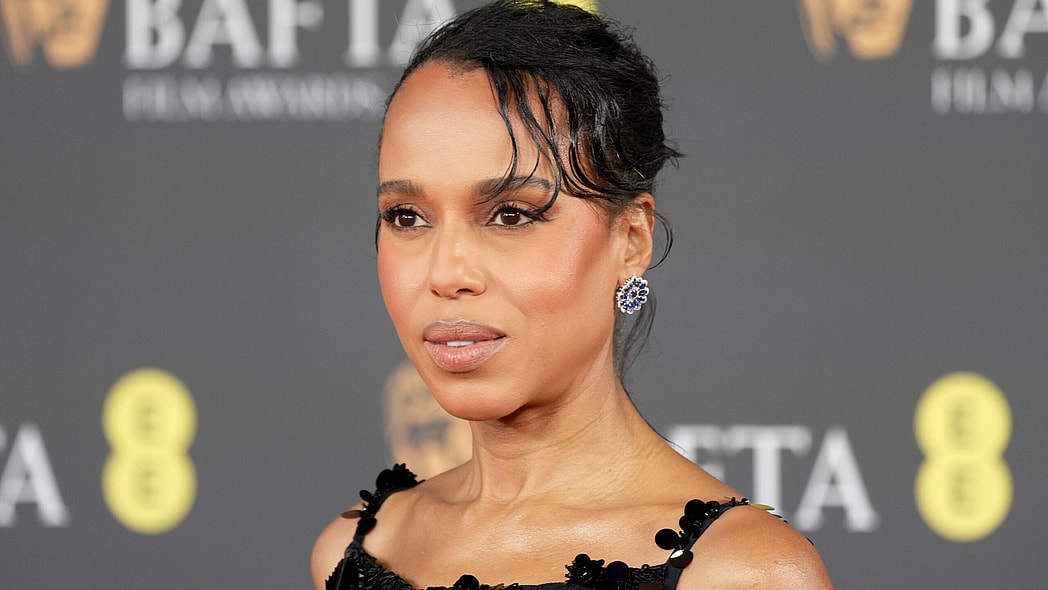
Recovery from an eating disorder never quite ends for some. Just ask Kerry Washington.
The 49-year-old actress, who has long been open about living with and managing an eating disorder, spoke candidly about the ongoing nature of healing during a virtual luncheon on Thursday, Feb. 19, for eating disorder treatment startup Equip Health. For Washington, recovery is not about achieving perfection.
“That idea of perfectionism is impossible in this recovery, because you can’t perfect something that’s ever-evolving,” she said, per USA Today. “I have to just be willing to continue to be curious and loving and show up.”
The “Scandal” alum, who joined Equip Health as an advisor and investor in 2025, added, “When I’m in recovery, my disease is outside, doing push-ups waiting for me.”
For her, addressing the mental health and behavioral aspects of the disorder has always been complicated.
“My substance is not something that I can put down,” the “Little Fires Everywhere” star explained. “I have to take this tiger out of the cage and pet it three times a day.”

Washington, who first began opening up about her eating disorder in interviews in the mid to late 2000s, endured a toxic cycle of bingeing, followed by extreme starvation and overexercising that began in her early adulthood, including during college in the 1990s. Alongside body dysmorphia, she has described turning to food for comfort like a “best friend.”
In her 2023 memoir “Thicker Than Water,” she also revealed that the “abusive” behaviors, based on feelings of a lack of control stemming from childhood, led to deep depression and suicidal ideation. Today, she is in a far more stable place, though she acknowledged during last week’s luncheon that she is still learning “how to live in some sort of harmony” with the struggle.
Her candidness over the years has helped to highlight how eating disorders do not discriminate. Although research, treatment narratives, and media portrayals have historically centered thin, white women, eating disorders affect people of all racial and ethnic backgrounds at similar rates, including Black women.
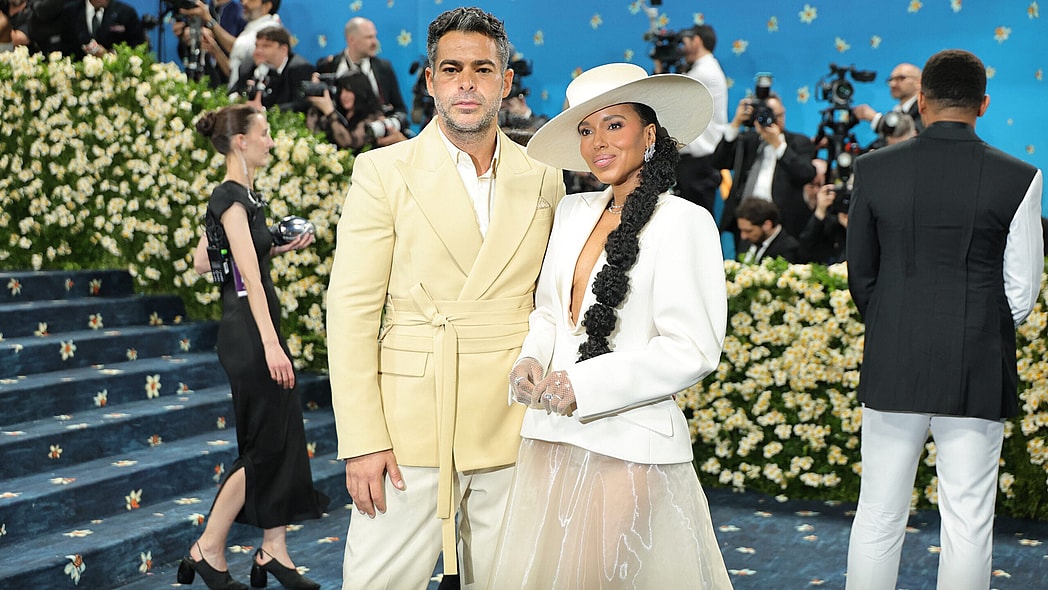
Medical bias and long-standing misconceptions have contributed to Black women being historically underdiagnosed and undertreated. Binge eating disorder, the form Washington has described struggling with, is one of the most common eating disorders impacting Black women, according to HealthCity, a health equity news source from Boston Medical Center. Meanwhile, the National Association of Anorexia Nervosa and Associated Disorders estimates that roughly 9% of the U.S. population, or 28.8 million Americans, will experience an eating disorder in their lifetime.
Still, help and recovery are possible. And while Washington says her relationship with her body continues to evolve, her philosophy today is one based on respect rather than punishment.
“This is a place where art happens,” she said of her body. “It’s not a place where I come to hurt myself or take myself out of life.”
If you or someone you know is struggling with body image or eating concerns, you can reach the National Eating Disorders Association’s toll-free and confidential helpline by phone or text at 1-800-931-2237 or by click-to-chat message at nationaleatingdisorders.org/helpline. For 24/7 crisis situations, text “NEDA” to 741-741.
For culturally competent non-emergency care, head to Therapy for Black Girls.
