
Is the “Target Fast” over? Are we still boycotting Target? Short answer: yes and yes.
Yesterday, Black communities collectively raised a brow when clips from a press conference featuring Pastor Jamal Bryant began circulating. During the conference, the faith leader announced the end of the Target Fast, which he initially called for in March 2025 for Lent and has since extended far beyond Easter. With many social media users understanding Bryant as one of the many outspoken voices in the nationwide boycott against the retailer, consumers grew confused by the announcement of its end, when, to date, Target has yet to restore its DEI language or address the national backlash.
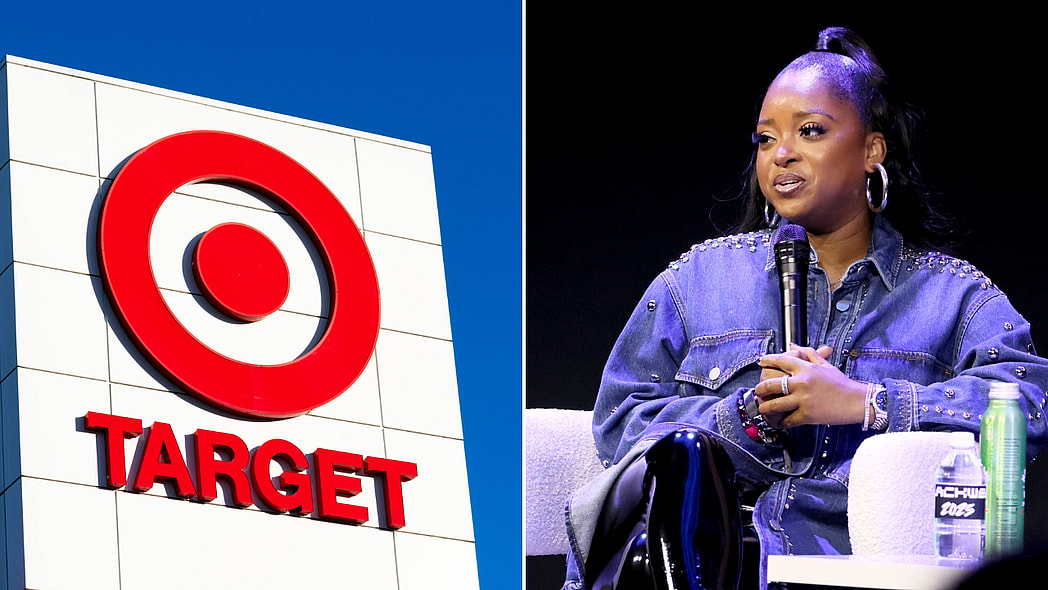
Activist and Until Freedom co-founder Tamika Mallory, who joined former Ohio Senator and We Are Somebody founder Nina Turner’s boycott efforts alongside Bryant, addressed the growing confusion in a recent Instagram post.
“I want to be clear as I see stories developing. It was announced today that the Target Fast has concluded. The fast was a specific campaign led by clergy and community leaders that we extended for more than 400 days,” Mallory’s post read. “Even at our press conference today, I spoke about Target’s refusal to publicly acknowledge the harm caused to the Black community. I raised this directly with Target’s CEO, Michael Fiddelke, when we met, and I raised it again this afternoon. To date, that public apology has not happened. The only acknowledgment has been an internal statement to staff. I continue to wonder why there is such resistance to apologizing to the Black community. This is a KEY ISSUE for me.”
She continued: “That said, the work of holding corporations accountable, including Target, continues. I do not believe that any one group can call off a grassroots-led boycott, and I personally will not be returning to Target.”
In January 2025, Target released a memo announcing changes to its DEI program. The perceived rollback sparked national outrage, prompting many organizations across the country to call for a boycott of the popular retailer. And though Turner invited Mallory and Bryant to use their large platforms to join the boycott movement, Mallory notes that their work is only a piece in the overall tapestry of the community-led efforts.
Standing in solidarity with the plethora of organizers nationwide who are continuing to boycott beyond the “Target Fast,” Mallory explained the background of the fast and the end of that specific campaign during an interview with Roland Martin.
“We decided that together we would work on this boycott. The idea of a Target Fast being a major campaign of the boycott, because of course, we could go out and say we’re calling for a boycott, but unless there are actual activities and ways that people can participate and continue to receive information people may begin to wane and sort of return and retreat,” she told Martin explaining that Pastor Bryant proposed the fast for the clergy community to come together in March, one month after the boycott’s kick off on February 1, 2025.
“We believed that within 40 days we would absolutely hear back from Target with all of the unrest that was happening around the country. But that did not happen. 40 days passed, and more time passed, and we continued to extend that particular campaign to keep the effort going to keep people engaged.”
Under the fast, the group had a list of four demands for Target: honor the $2 billion pledge to Black businesses, deposit $250 million in Black banks, fully restore DEI commitments, and implement retail business programs at HBCUs. And according to Bryant, Mallory and Turner, who met with Target’s CEO, work and investments towards almost all of those demands have been put in place by the Fortune 500 company, with the exception of the deposit to Black banks.
“Now, let me be clear that although some of what was requested in those demands has been met, there’s still much work to be done, and there is still a need for accountability as it relates to the completion of those things. However, when we put those demands forward, we have a responsibility to be accurate, look at those demands and see where we stand to be able to measure them. And that is what we did,” Mallory explained. “We are not going to ignore the work that started 400 days ago by our particular group and all those who have supported us and what we have done to maintain it over this time.”
Even so, the activist says “people are 100% rightfully pissed off at Target, and they are not going to return.” And as someone who takes issue with the retailer’s negligence to publicly acknowledge the specific harm, upset, and unrest that has happened between Target and the black community, Mallory, like Turner, says she doesn’t plan on going back either.
“At this point, there is nothing that will make me return to Target,” she stated. “I am still 100% locked down in this boycott. People have decided, as you said, that an economic withdrawal of Target has happened, and I am one of those individuals who will not be going back.”
And as she continues her work to hold Target accountable, she’s also looking ahead, and encouraging other Black people to look at how they use their $1.4 trilling spending power to hold people accountable on issues that impact our communities.
“What are we going to do next? What is the evolution even beyond Target? Which companies are next? Who else do we want to hold accountable, and how can we come together to see to it that other companies experience a $12 billion loss in market share value? That is something that we have done together. We did that. That’s our collective power,” she explained. “And again, Target is important. The work should continue. However, there are other companies that are hiding. They are not receiving the same pressure and the same type of accountability as we have placed on target. And we want to I want to be a part of those conversations and that work as well.”
“I pray that it does continue in the ways in which people feel they need to so that we get to an end that is not just about Target, but that it is about holding corporations accountable ultimately. And what is most important to me is that this boycott is it sends a clear message to the Trump administration that you may arrest us. You may try to silence our voices with all the suppression tactics, but the one thing you cannot do is force us to spend our money with companies where we feel disrespected,” she concluded.
