

Some of the nation’s few Black lieutenant governors came together to discuss the state of the economy and its impact on Black Americans. The three Black men, representing some of the top state economies, also sought to lay out how their state governments are filling the gaps left by the Trump administration’s economic and anti-DEI policies.
At the Black Economic Alliance (BEA)’s fourth annual Solutions Summit in New York City on Thursday, Lt. Govs. Austin Davis of Pennsylvania, Garlin Gilchrist of Michigan, and Dale Caldwell of New Jersey joined a panel to discuss how states are supporting small businesses and entrepreneurship, and investing in community-based solutions to public safety and the nation’s affordability crisis, including the costs of housing and child care.
“Even as the Trump administration continues to dismantle policies that have promoted equity and economic prosperity for everyone, each of us lieutenant governors play a unique role in our states; we all have power, but we also have the flexibility and the ability to shape our own agendas and portfolios, to really focus on the issues that we care about and where we can make an impact, and across all of our portfolio areas,” Lt. Gov. Davis told theGrio.
Davis, who is seeking re-election this year alongside Democratic Gov. Josh Shapiro, highlighted his role as chairman of the Pennsylvania Advisory Council on Inclusive Procurement, which has awarded more than $1 billion in government contracts to small and diverse businesses for two consecutive years. According to the Office of the Pennsylvania Lieutenant Governor, the state increased its spending with Black- and Latino-owned businesses by 45% oveer the past two years.
Lt. Gov. Gilchrist, who is running for Michigan Secretary of State in the 2026 elections, said the Great Lake State “is open for business and on the move” and has been helping diverse entrepreneurs “stay and succeed.”
“The Whitmer-Gilchrist Administration has set and surpassed goals in contracting with minority-owned businesses, leveraged hundreds of millions in private capital to support diverse entrepreneurs, and invested in Michigan’s world-class university ecosystem,” Gilchrist said in a statement.
Lt. Gov. Caldwell was just sworn into office in January; however, he said he and the newly elected New Jersey Governor, Mikie Sherrill, are committed to “expanding procurement opportunities to tap into talent and strengthen Black economic progress and prosperity in New Jersey.”
The lieutenant governor said that the “historical panel” with his fellow Black LGs “reminds us that when business leaders, policymakers, and advocates come together, we can turn bold ideas into reality.”
“We know that when government removes barriers to knowledge, capital, and markets, entrepreneurship expands. Disadvantaged and marginalized communities gain access to solid work with pathways for promotion, higher wages, and wealth creation,” said Caldwell.
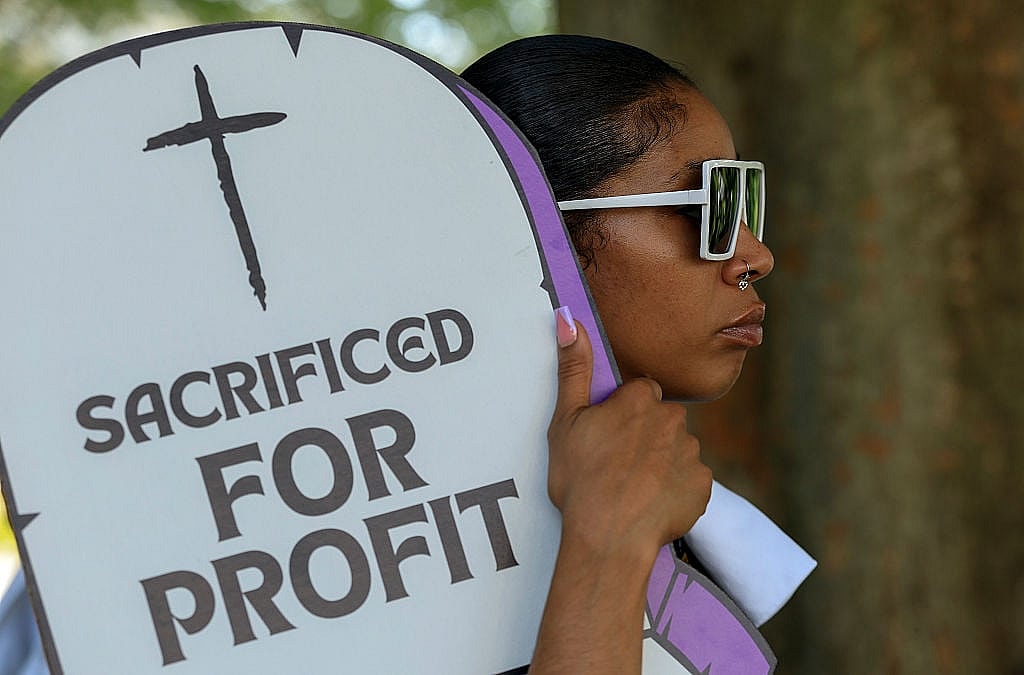
State leaders like Lt. Govs. Austin, Gilchrist, and Caldwell are doing all that they can to help sustain and grow economic opportunity for Black communities; however, Black Americans are still struggling in President Trump’s economy. The unemployment rate for Black Americans jumped back up to 7.7% in February, and the racial gaps for wealth and homeownership between Black and white households have widened. Black Americans have also disproportionately been impacted by the Trump administration’s mass firings of federal workers.
“We have been committed to bringing those numbers down in our respective states, and we’ve seen the chaos that the federal government has injected into this process and how they’ve kind of devalued the prioritization of those businesses and those communities,” Lt. Gov. Austin told theGrio. “We don’t have strong partners in Washington, and so states are carrying more of the burden, but we’re committed to meeting that need in our communities, which is why we’re continuing this work.”
The Black Economic Alliance’s summit took place during a critical election year, when voters could have a say amid political debates over President Trump’s policies. While Trump’s approval rating with Black voters and Americans is down overall, data from HIT Strategies and The Black Opposition Coalition suggest that getting some Black voters to the polls this year remains a challenge.
“Recognizing Donald Trump is doing all of the craziness that he’s doing in Washington, we have to give people something to vote for,” Lt. Gov. Austin said of Democrats.
The 36-year-old Pennsylvania leader said he and his peers in their respective states are doing the work to give Black voters a reason to elect them up and down the ticket this year and beyond. Austin pointed to the “historic investments” they’re making in public education and public safety, which are seeing direct results in communities.
As in states like Michigan and New Jersey, Lt. Gov. Austin noted that Pennsylvania has had the lowest gun violence and crime rates in nearly two decades.
“And I will note that we are the only state in northeast United States whose economy continues to grow,” he touted.
Austin said it’s important that Democrats “show up” in communities, whether Black or rural, Republican or Democratic, to “talk about what we’re going to do for them and improve the lives of their families.”
He continued, “I think we will see not just Black folks be more engaged in the process, we’ll see more people engage in the process overall, and we’ll see more people who have a greater belief that government can deliver for them and their families.”
