
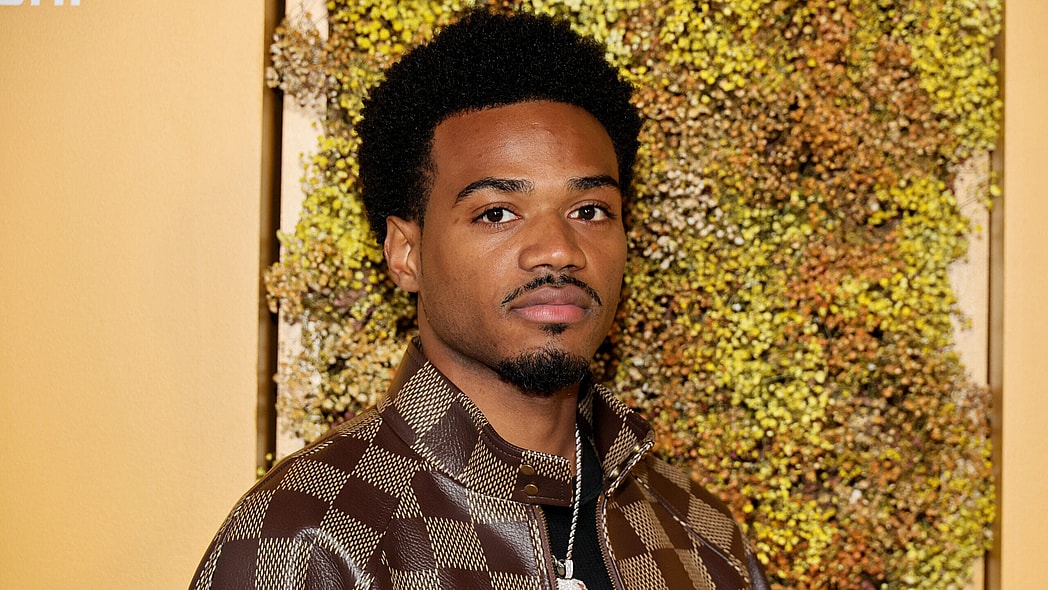
Professional skater Tyshawn Jones, who first came on the scene as a pubescent preteen more than a decade ago, might not be where he is today, and certainly might not have become the famous streetwear brand Supreme’s first officially paid skater, if it weren’t for his mother.
During a recent sitdown with Complex News’ Izzy Izzo, the 27-year-old skateboard star opened up about how his mother pushed him to approach the fashion label and ask for what she believed he truly deserved.
“It’s, I guess, the way I was raised, I come from a family of hustlers,” the New York native began.
After he was initially signed by Supreme to wear the brand’s clothes and represent its image, the company paid him $500 a month, or $6,000 a year. His mother, after looking into the company and learning it was worth roughly $40 million at the time, urged him, much to his frustration then, to advocate for more.
“I was making $500 a month, and that was $6,000 a year. I was like 12 though,” he recalled. “And she used to be like, she’d be on Google looking up their net worth and stuff and she’d be like, ‘This n— worth $40 million. He ain’t paying my son $500 a month. They taking advantage of you.’”
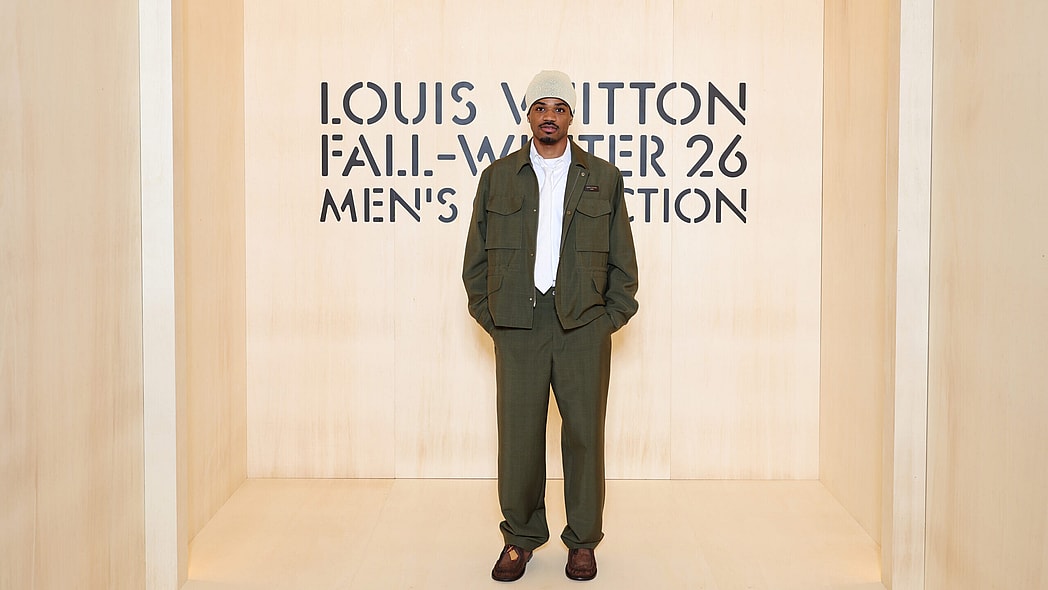
At the time, Jones said he was hesitant to ask for more because, in his 11-year-old mind, he felt he still had much to prove. Eventually, when another brand approached him with an offer to pay him to wear their clothes, he used that opportunity as leverage to start the conversation.
“I was like, ‘Someone else is offering me this. Do you guys pay people?’ And they were like, ‘No, but like let us have a meeting and we’ll get back to you.’ So, I feel like that really like flipped a switch,” he explained.
Jones ultimately signed what would become a 13-year deal with Supreme, maintaining a working relationship with the brand for roughly 12 years as his skating career continued to rise. During that time, he also helped bring skate culture further into high fashion, including modeling campaigns for GAP and collaborations connected to Tiffany & Co.
The relationship ended abruptly in 2024, when Supreme fired Jones after he appeared in a Marc Jacobs campaign wearing a Superman sweater, citing what it described as a “material non-curable breach” of contract.
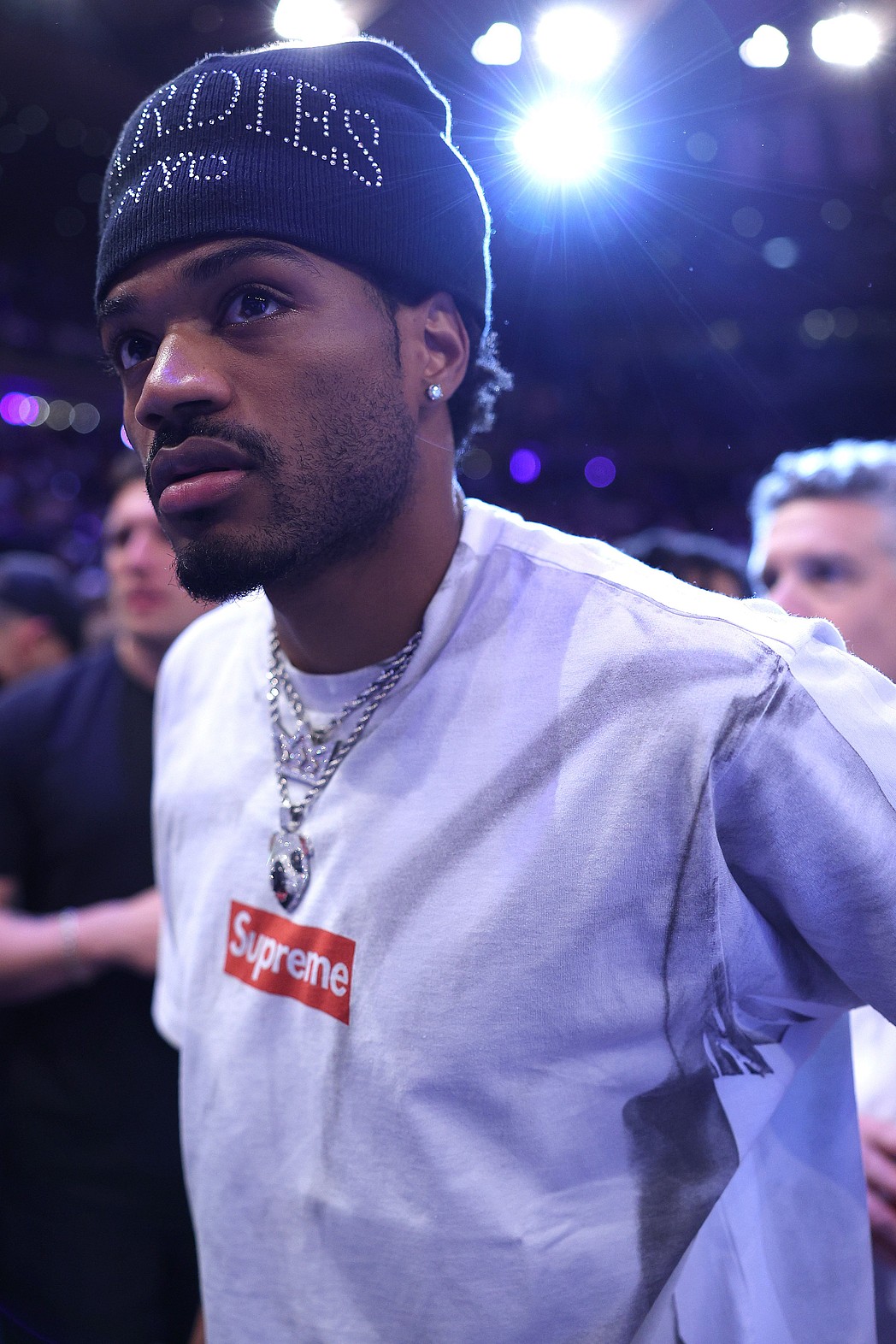
A year later, in May 2025, Jones filed a $26 million lawsuit against Supreme alleging wrongful termination and defamation. Court documents have since revealed additional explosive details about the dispute, including that Jones was earning roughly $83,333 per month, or about $1 million annually, under an exclusivity agreement that required him to wear Supreme from head to toe, including his outerwear and underwear, HIGHSNOBIETY reported.
In the suit, Jones also alleges that following the split, Supreme founder James Jebbia and others associated with the brand spread claims that he had been “kicked off” the brand for misconduct, something he says damaged his reputation and hurt his ability to secure new partnerships.
Another crucial aspect of the lawsuit centers on stock options. Jones claims he lost them when he was fired shortly before the company’s sale, which he alleges was timed to prevent those shares from vesting.
The lawsuit arrived just months after Jones was named a “Friend of the House” at Louis Vuitton in February 2025 by fellow skateboarder and the brand’s men’s creative director Pharrell Williams.
