
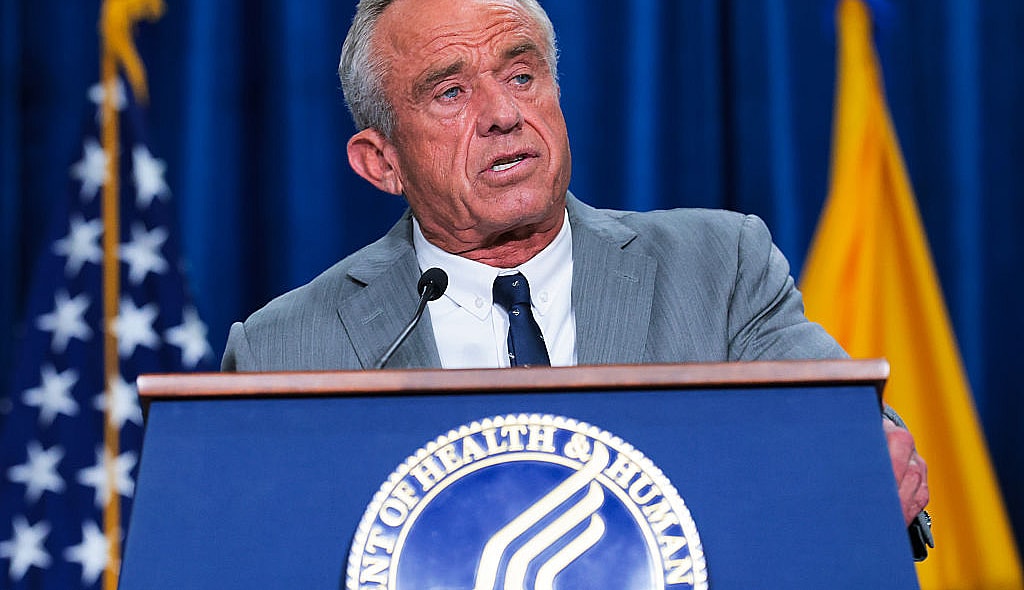
A federal judge has ruled against key policy decisions led by Health and Human Services Secretary Robert F. Kennedy, Jr., that limited vaccine access and threatened to potentially exacerbate existing racial disparities in immunization rates.
The decision from Judge Brian Murphy in Massachusetts immediately halted the Trump administration’s implementation of several measures that public health experts warned would put the health of U.S. children at risk. Those actions include limiting COVID-19 shots and revising the childhood immunization schedule, declining to require vaccines against RSV, hepatitis B, hepatitis A, flu, and rotavirus.
The Trump administration’s decision was announced in January by the department’s Advisory Committee on Immunization Practices, which was installed with a new group of members by RFK Jr., a longtime vaccine skeptic. Judge Murphy ruled in favor of the plaintiffs, medical organizations that accused Kennedy, on behalf of the Trump administration, of bypassing evidence-based science to determine its reductions in vaccine recommendations.
The judge also ruled that only six out of 15 members of the advisory committee had meaningful experience. Secretary Kennedy had clashed with the panel, replacing experts with vaccine skeptics who backed his conspiracy theories. The RFK-led agency also embraced debunked theories that childhood shots cause autism, asthma, or other diseases.
The plaintiffs in the case allege that the Trump administration violated the Administrative Procedure Act by making such personnel decisions and by downgrading vaccines on the childhood immunization schedule. The lawsuit warned that changes to vaccine recommendations should be made only with scientific justification and that they could lead to “reduced coverage, increased vaccination hesitancy, increased risk of the spread of preventable diseases, and increased mortality.”
The Department of Health and Human Services is expected to appeal the decision.
Changes to the vaccine recommendations posed a particular risk to Black children living in the United States, where they are least likely to have received recommended childhood vaccinations. Due to lower vaccination rates, Black children are at an increased risk for contracting vaccine-preventable diseases compared to white children.
A study from KFF found that lower rates of vaccinations among Black children are linked to lower levels of confidence in the safety of some vaccines among Black parents compared to white parents. The historical harms of the medical system’s abuse and mistreatment of Black Americans may also contribute to distrust of vaccines.
“The recent declines in vaccination rates may reflect spread of vaccine misinformation, growing public skepticism about the safety and effectiveness of vaccines, and increasingly partisan views on vaccination,” the study found. However, KFF noted that racial differences in vaccination rates may reflect a variety of factors, including social and economic factors that affect access to care.
