
Paul Thomas Anderson has heard the criticisms of how Black women—particularly Teyana Taylor’s character—are portrayed in his Oscar-winning film “One Battle After Another.”
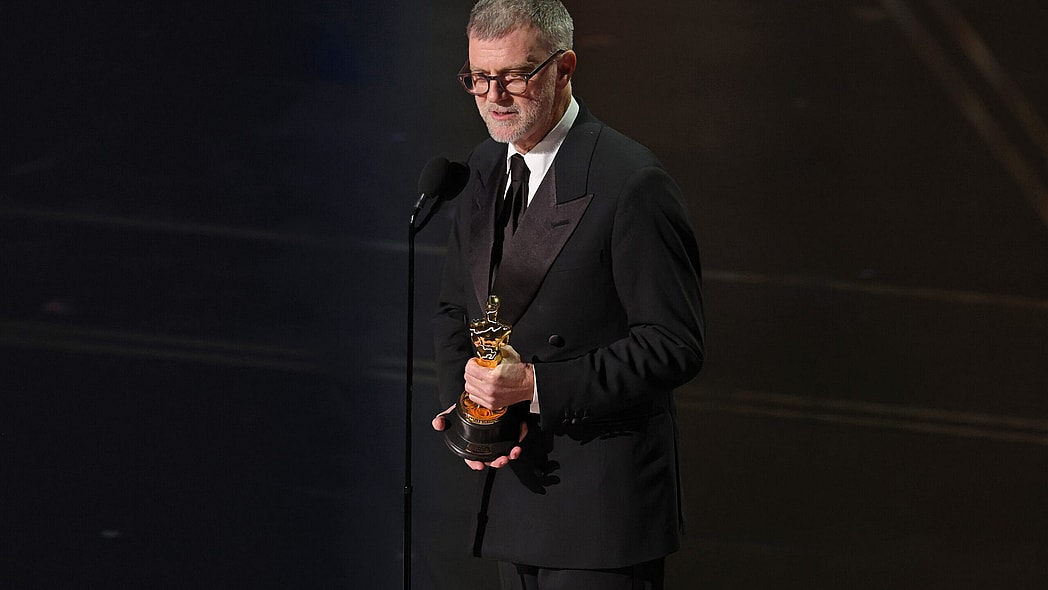
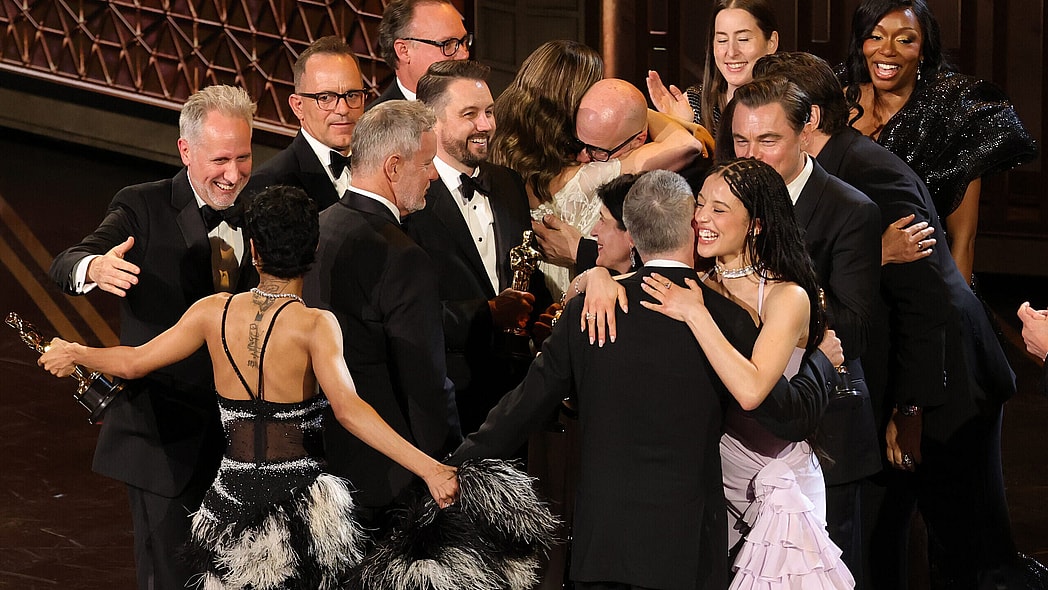
On Sunday, March 15, shortly after the 55-year-old director clutched the first three Golden Men of his career (following 11 previous nominations), he addressed the ongoing backlash surrounding the film, which chronicles what happens when the past revolutionary life a white father (Leonardo DiCaprio) once led comes home to roost 16 years later, directly threatening him and his biracial daughter (Chase Infiniti).
“I know a little bit about that critique. I know that Teyana has talked about it a lot. I know we have portrayals of many different characters. In particular, her character, who was so flawed and unfortunately makes decisions that are detrimental to the revolution that she’s trying to fight,” Anderson said, per The Hollywood Reporter. “It’s complicated. We always knew that we were trying to make something complicated. We knew that we weren’t making something that was heroic, and we needed to lean into that. We needed to own the fact that this woman was suffering not only from postpartum depression, but she had issues of her own that she hadn’t really reconciled with.”
Taylor, who stars as the fictional Black revolutionary Perfidia Beverly Hills, is a member of the fictional Black rebel group dubbed The French 75. Her character wields her sexuality as a weapon for the resistance, is brash, and, as Anderson put it, deeply flawed. However, she appears in the film for less than 30 minutes before the plot jumps forward 16 years, though her legacy looms large over the rest of the story.
For some viewers, the film’s themes surrounding Black revolutionaries and Taylor’s hypersexualized characterization have felt closer to blaxploitation than the generational apology Anderson has said the film is meant to be.
“It’s a very dangerous thing when you start out wanting to change the world, but begin to become selfish—you read your own reviews. That was our hero in Perfidia, who becomes an anti-hero. The point of it is to set up a story of [Infiniti’s character] Willa, the next generation,” Anderson continued while speaking with reporters Sunday, according to Deadline. “What happens when your parents, who are damaged and have handed quite a difficult history to you—how do you manage that? That’s our story. Our story is in Chase and her reaching, like I talked about in terms of the generational aspect, to try to do better.”
Anderson, who took home Oscars for Best Adapted Screenplay, Best Director, and Best Picture, also spoke about what the film meant to him during his acceptance speech for Best Adapted Screenplay.
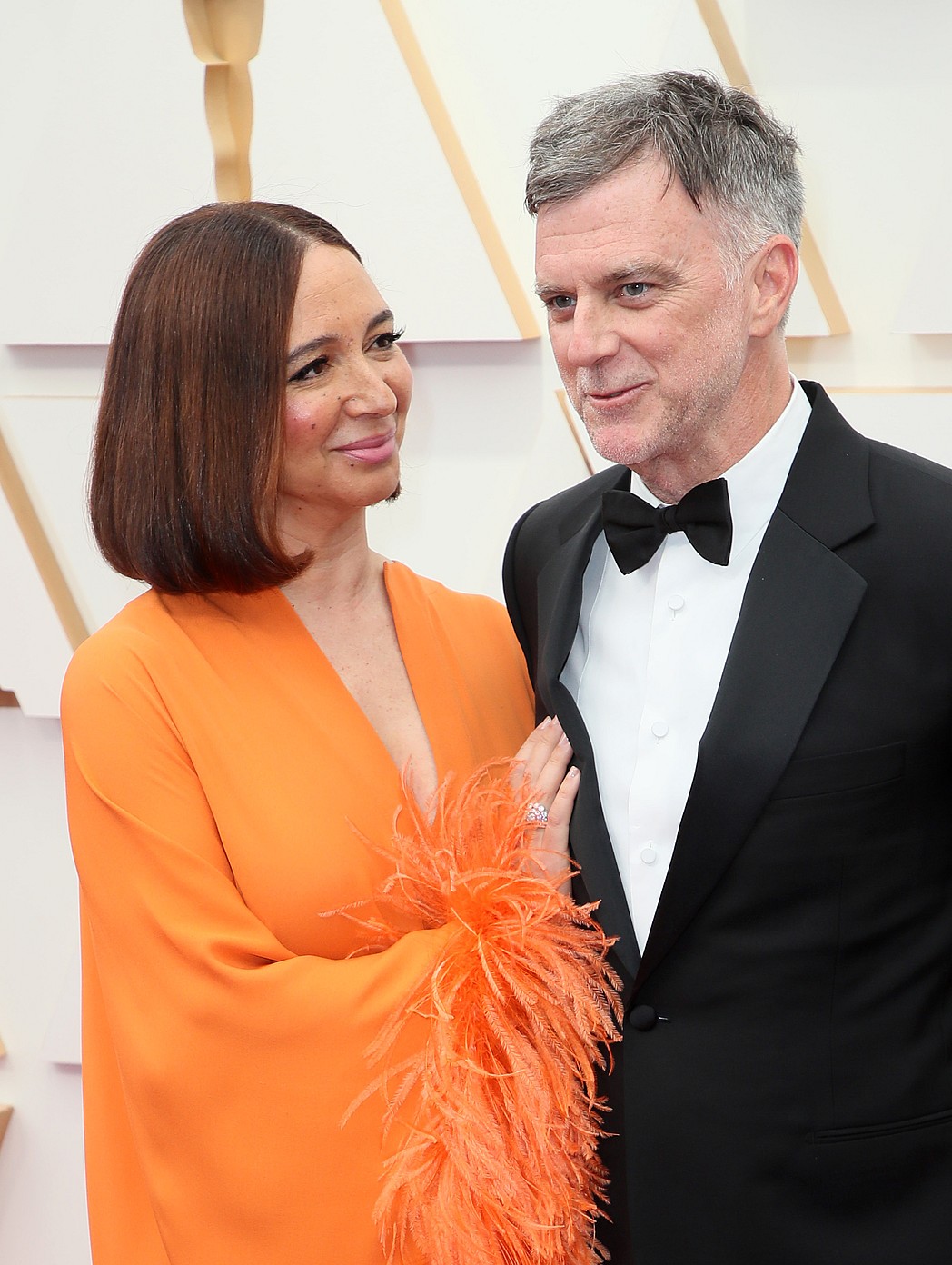
“I wrote this movie for my kids, to say sorry for the housekeeping mess that we left in this world we’re handing off to them,” Anderson said of the four children he shares with his longtime partner of more than 20 years, Maya Rudolph. “But also for the encouragement that they will be the generation that hopefully brings us some common sense and decency.”
Earlier this year, during the film’s press run, Taylor also defended her polarizing role.
“I think with Perfidia, you see the results of people overlooking postpartum depression,” she explained in a Vanity Fair profile. “You see how that makes her react. And you see this woman that still wants to shoot guns and still wants to be a revolutionary—and she wants all of the things.”
She added, “I think we don’t enjoy seeing the harsh reality, but this is what’s happening.”
