
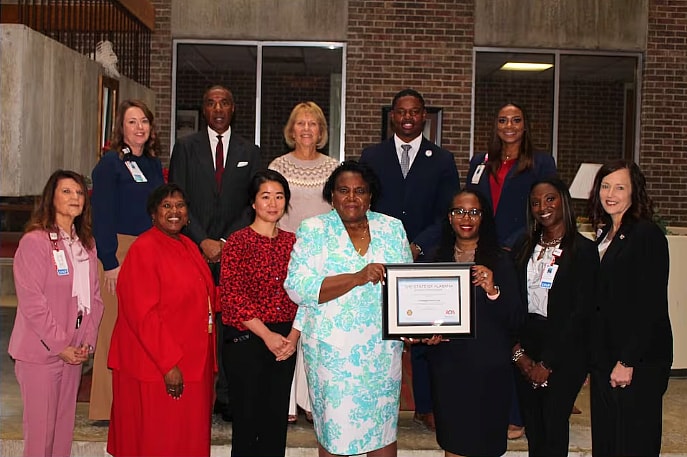
Tuskegee University has made history as the first historically Black college or university (HBCU) in Alabama to offer a nursing apprenticeship program, a move designed to give students hands-on experience and expand access to the healthcare workforce. The program, launched in partnership with Baptist Health System, allows students to pair one-on-one with experienced nurse mentors, providing early clinical training while still in school, according to Montgomery, Ala.’s WSFA 12.
The Registered Nursing Apprenticeship Program builds on Alabama’s broader Student Nurse Apprenticeship initiative, which began in March 2022. Unlike traditional nursing tracks, apprentices start practical training earlier in their academic careers, gaining exposure to specialty departments and earning wages during clinical rotations. This approach not only strengthens students’ clinical readiness but also helps reduce financial barriers that can prevent many from completing nursing degrees. Baptist Health System serves as the program’s “last-dollar” scholarship provider, covering remaining tuition and school-related expenses not paid through other aid.
“This apprenticeship represents a different way of thinking about how we prepare Alabama’s healthcare workforce,” said Meredith Smith, director of the Alabama Office of Apprenticeship. Smith noted that the program combines structured mentorship, practical experience, and financial support, creating a pipeline for well-prepared nurses entering the state’s hospitals and clinics.
The program’s creation involved collaboration among several state entities, including the Alabama Office of Apprenticeship, the Alabama Community College System, the Alabama Board of Nursing, and participating employers. Tuskegee University becomes the first four-year HBCU to join the initiative, joining 30 other postsecondary institutions across the state that already offer similar apprenticeship opportunities.
For Tuskegee students, the apprenticeship offers a rare combination of education, mentorship, and compensation. While nursing programs typically require extensive clinical hours, the apprenticeship ensures students are guided by mentors, helping them develop confidence and competence in real-world settings. The early exposure also positions graduates to transition more smoothly into professional nursing roles, addressing both workforce needs and the persistent nursing shortage in Alabama.
Experts say programs like Tuskegee’s apprenticeship can serve as a model for other HBCUs and four-year institutions nationwide, demonstrating how hands-on experience and financial support can improve retention and success rates in healthcare programs. By integrating mentorship, paid experience, and academic learning, the initiative is poised to not only advance individual careers but also strengthen Alabama’s healthcare system overall.
