
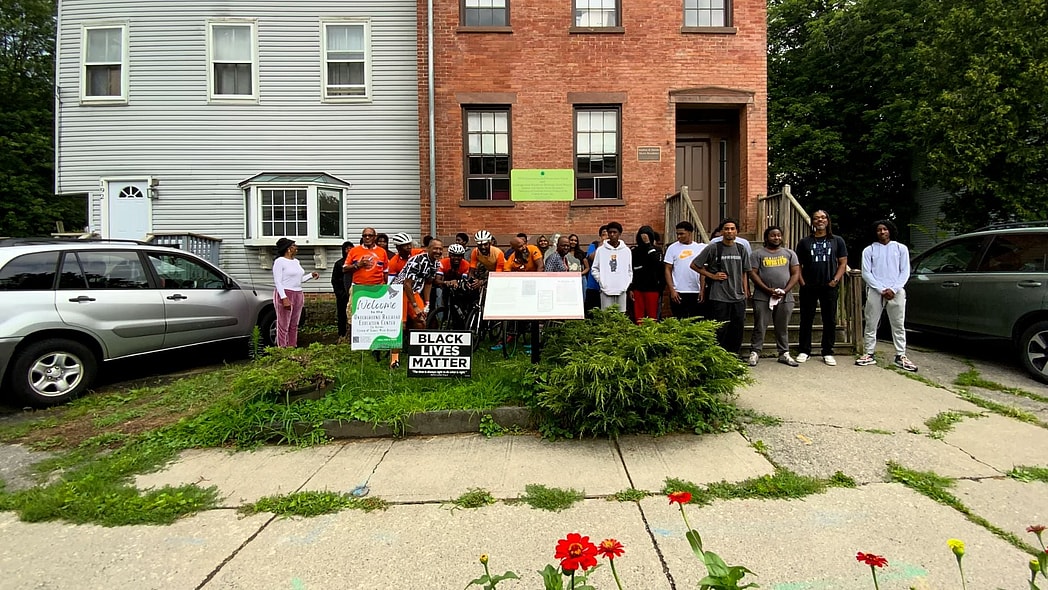
An upstate New York museum dedicated to preserving the history of the Underground Railroad is suing the Trump administration, alleging that the cancellation of a federal grant was driven by racial and political bias, according to NBC News.
The Underground Railroad Education Center filed the lawsuit in federal court, arguing that the termination of a $250,000 grant from the National Endowment for the Humanities violated its constitutional rights. According to the complaint, the decision amounted to both viewpoint discrimination under the First Amendment and racial discrimination under the Fifth Amendment.
The grant was originally intended to support the museum’s expansion efforts, including a planned $12 million interpretive center. But the funding was canceled following a broader directive tied to Donald Trump’s 2025 executive order aimed at eliminating diversity, equity, and inclusion (DEI) initiatives across federal agencies.
Attorneys representing the museum argue the move was part of a wider pattern. “There is just no legitimate basis for the cancellation,” said lawyer Nina Loewenstein, who is working on the case through Lawyers for Good Government. She added that the decision is “just explicitly erasing things associated with the Black race.”
The lawsuit also claims that the administration “systematically targeted grantees and programs that sought to increase the public’s understanding of Black history and cultures,” pointing to hundreds of terminated grants that allegedly conflicted with new federal priorities.
Founded in Albany, the museum is located at the former home of abolitionists Stephen and Harriet Myers, who helped thousands escape slavery before the Civil War. Co-founder Mary Liz Stewart said the grant had been a major validation of their work and mission. “It validated who we are as an organization, what we were trying to do,” she said, adding that it signaled to others that the institution was “worth paying attention to.”
The lawsuit comes amid broader actions by the administration affecting historical and cultural institutions. In recent months, federal officials have pushed to review museum content, removed certain exhibits, and altered national park programming tied to historically significant dates.
The Underground Railroad Education Center is now asking the court to reinstate the grant, arguing that the loss of funding has significantly delayed its expansion plans and hindered its ability to share a critical part of American history.
As the legal challenge moves forward, the case could have wider implications for how cultural institutions are funded and how history itself is preserved and presented in the United States.
