
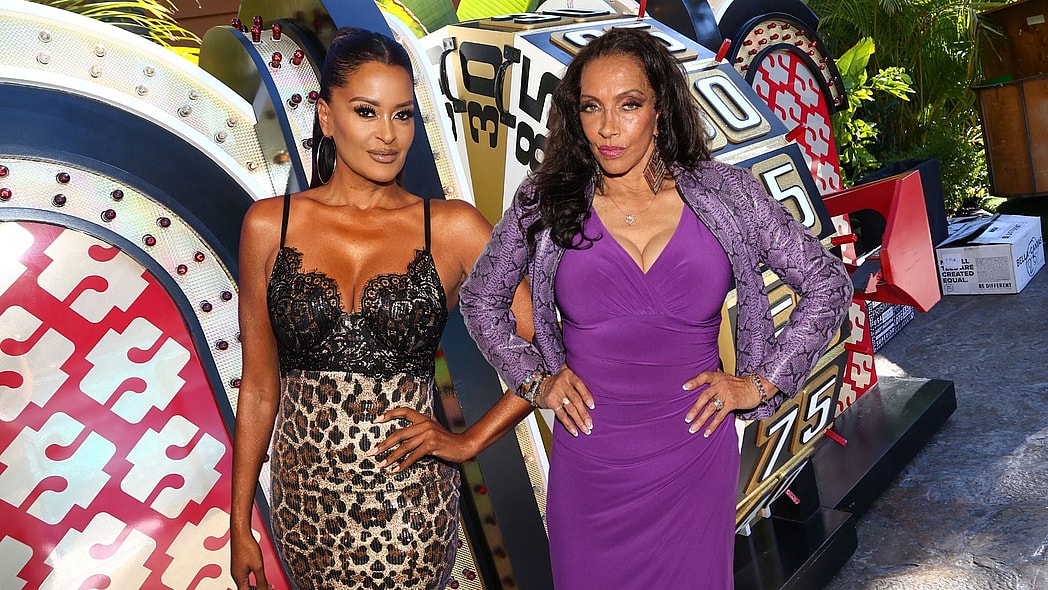
A new docuseries is pulling back the curtain on one of television’s most recognizable game shows, with former models from “The Price Is Right” speaking candidly about alleged racism, sexism and workplace misconduct behind the scenes.
In “Dirty Rotten Scandals,” former “Barker’s Beauties” Claudia Jordan and Kathleen Bradley reflect on their experiences during the long-running tenure of host Bob Barker, describing a work environment they say was marked by unequal pay, retaliation, and discrimination.
Bradley, who made history as the show’s first Black model, said compensation was far below expectations. “Absolutely not, no, hell no,” she said when asked if the models were paid well, explaining that the role fell into a lower pay category due to a lack of union standards at the time.
Jordan echoed that sentiment, calling it “the minimum” pay possible. “Bob Barker… I think he was making $100,000 a day. And we got a bottle of water every day, and that’s it,” she said, adding that even meals were not covered, an unusual practice in television production.
Beyond pay disparities, both women described a culture where speaking up could come at a cost. Jordan alleged that after reporting an incident of assault, she faced retaliation. “If you report someone, you better just count your days,” she said, claiming producers began documenting minor or fabricated issues to justify disciplinary action.
She also recalled closely monitoring her own behavior as tensions escalated. “Imagine every day you don’t know what trick this producer is going to pull on me today,” she said, describing the toll it took on her mental and physical health.
The docuseries also explores claims of racial bias in both casting and on-screen representation. Jordan said she noticed patterns in how Black contestants were selected and how she was assigned certain prizes to model. “Anything that had a Black connotation… I was assigned to model that prize. It was an inside joke,” she alleged.
Bradley addressed the complexities of being the first Black model on the show, noting the adjustment among cast members as the show evolved. While she said she didn’t always feel direct hostility, she acknowledged the environment could be intimidating.
The series revisits past allegations involving Barker as well, including claims of preferential treatment and workplace relationships that influenced dynamics on set.
For both women, participating in the docuseries is about more than revisiting the past. It’s about accountability and encouraging others to speak out.
“I just want it to be more common for women… to speak out against the powers that be,” Jordan said.
Bradley added a broader reflection: “People need to be careful and actually care about the way they treat people because the tables always turn.”
