
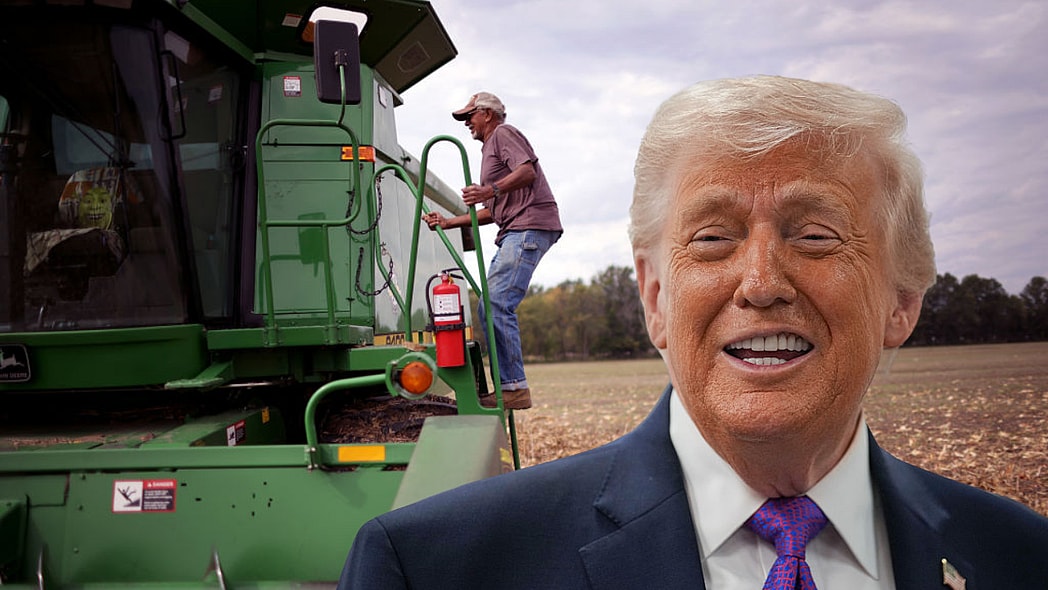
The U.S. Department of Agriculture has canceled the remaining grants of a $300 million Biden-era program intended to provide technical support and help farmers buy land, a move that will further economically starve Black farmers amid the Trump administration’s anti-DEI push.
“They don’t want Black people to participate in these programs,” John Boyd, president and founder of the National Black Farmers Association, told theGrio. “This is an administration that wants a white-only America.”
According to Politico, USDA officials sent out cancellation letters to nonprofits, tribal governments, and other organizations that were initially approved for grants under the Increasing Land, Capital, and Market Access Program, funded by the American Rescue Plan Act, which was signed into law by President Joe Biden in March 2021. The program was intended to help “underserved” producers by increasing land, capital, and market access. At the time, the agency championed the funds for programs to “move underserved producers from surviving to thriving.”
The Trump administration now says the program, one of the few lifelines for Black and Indigenous farmers struggling to obtain and maintain farm land, provides “discriminatory preferences based on Diversity, Equity and Inclusion” as well as “wasteful spending.”
Boyd, who has been a frequent and vocal critic of the Trump administration’s anti-DEI cuts at USDA–which have included a $5 billion debt relief program–said the latest cancellations are part of the broader effort to deprioritize Black and Brown farmers to instead support white farmers.
“The system isn’t set up for us and they’re working with these white groups. They’re in and out of USDA; the Farm Bureau, the National Farmers Union,” said Boyd, whose association represents 116,000 Black farmers. He told theGrio that white farmer groups have an “open door policy” with USDA and the White House, despite him and his fellow Black farmers being shut out of meetings and dialog.
“It’s deplorable,” he said.
For decades, Black farmers have been fighting for their due after decades of racial discrimination at USDA. While there have been some wins, most notably a 1999 class action lawsuit filed against the USDA resulting in nearly $1 billion in rewards for Black farmers, a whiplash of legal setbacks and regime change has left Black farmers struggling for adequate funding, which has resulted in foreclosures and loss of land.
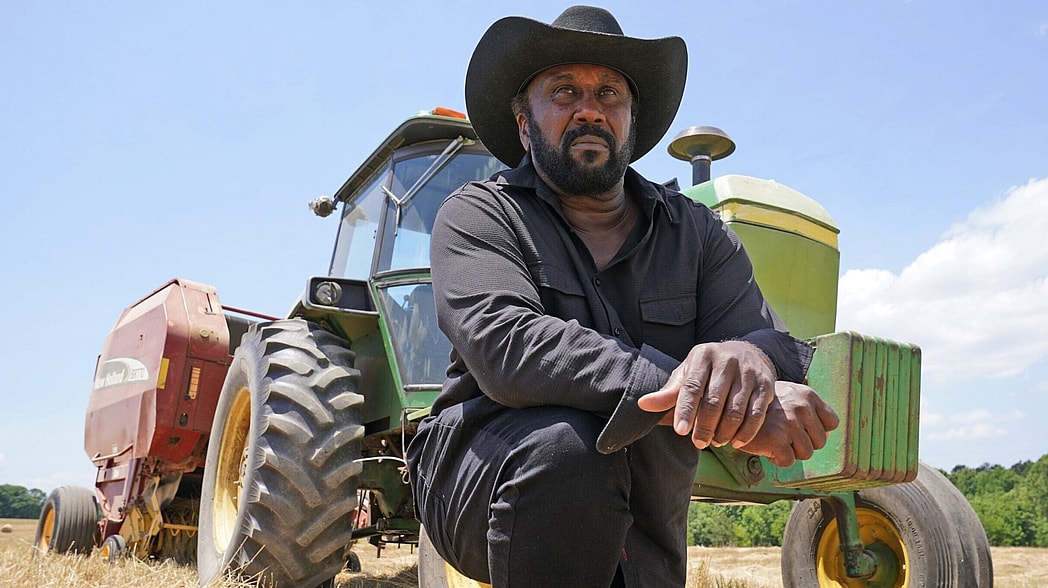
Boyd told theGrio that there are presently 190 pending farm foreclosures for Black-owned farmers who “can’t meet some sort of financial obligation,” including mortgage loans, farm operating loans, and equipment loans tied to their Deed of Trust. Without adequate support, the already declining number of farmland owned by Blacks will continue to drop.
The current state of Black farm ownership is especially noteworthy given the historical context. Following the American Civil War, in which approximately 200,000 Black soldiers fought on behalf of the Union Army, Black land ownership grew from almost zero to a peak of 16 million acres by 1910, despite the failure of federal promises of “40 acres and a mule.”
“We were all farmers, and one or two generations away from somebody’s farm, and Black people simply wanted to own land,” said Boyd.
The Black farmers activist told theGrio that his grandfather paid three times more than it was worth,” adding, “He knew that they were cheating him. But he said land was everything.”
Boyd continued, “Land was freedom. Land was your name in the community, and it gave you a chance to raise a family and produce healthy food…clean drinking water, timber to build houses. [My grandfather] said, ‘You can do any and everything if you had a little piece of land of your own.”
As the Trump administration presses forward with its anti-DEI agenda, farmland ownership for Black Americans is slowly becoming a thing of the past.
“It’s no shame in their game,” said Boyd, who lambasted President Donald Trump for meeting with all white farmers in December 2025 when announcing a $12 billion bailout for farmers.
He added, “There was not one Black farmer in the room. I mean [this is an] ‘open in your face, I’m a racist’ administration.”
