
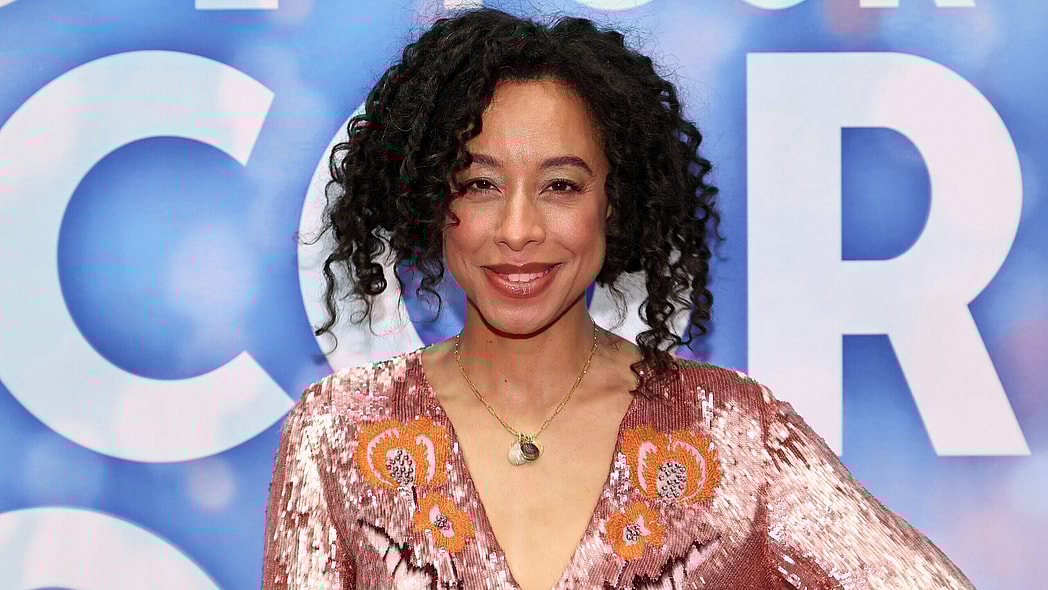
Twenty years ago, in February, the world first met the sweet, soulful voice of Corinne Bailey Rae on the hit song “Put Your Records On.”
The pop song, which was the second single off her self-titled debut LP released in 2006, climbed to No. 2 on the U.K. Singles Chart, landed on the Billboard Hot 100, and was nominated for both Song of the Year and Record of the Year at the Grammys. Meanwhile, the album itself reached No. 4 on the Billboard 200. It’s only been up from there.
The song, about self-empowerment through music, that greets nearly every millennial (and many other generations, too) like the warm hug of a childhood friend whenever they hear it, earned over a billion streams on Spotify alone. It’s also about to reach a new generation in a completely reimagined way.
Now, fans who may have been kids themselves when the millennial anthem first hit the airwaves can share it with their own children through the newly released children’s book “Put Your Records On” (Rocky Pond Books).
“I really wanted to share my love of music with children,” the mother, who shares two daughters with her husband, musician and producer Steve Brown, told theGrio in a recent interview. “I wanted to talk about how music can hold you in all different emotions. You know, no matter what you’re going through, music can be there, and it can be a friend.”

Arriving like an exclamation point during a year in which the “Like A Star” singer, 46, is celebrating the 20th anniversary of the album and the song with an anniversary tour, “Put Your Records On,” penned by the singer-songwriter and illustrated by Gillian Eilidh O’Mara, takes readers on the magical and musical self-empowerment journey of a young girl named Bea.
The book chronicles one Sunday afternoon in which Bea’s great-aunt Portia sets her imagination sailing through her record collection. Rae hopes the radical and vibrant self-acceptance, particularly the emotional self-awareness Bea gains by the book’s end, inspires young readers.
“I hope it’s really interactive,” Rae said, adding that she also hopes the book can serve as a “bridge” between generations as parents take the opportunity, while reading it with their children, to pull out their own records and share their musical backgrounds.
“I think [music is] such a good way to connect, because the song is telling you something about your family member, in words that they couldn’t use, really about themselves. But you know, you might get to see another side of someone, because they have this song that you wouldn’t expect them to like, or, you know, it carries a certain emotion, which maybe they haven’t sat in with you,” she continued.
She added that she hopes the book — and the greater lesson of music, which holds thousands of songs for every possible emotion — reminds “children that it’s okay to have any kind of feeling.”
At one point in the book, as Bea’s great-aunt Portia introduces her to Aretha Franklin, Portia explains that, just as a rainbow is filled with many colors, people are filled with many emotions that make us human.
“That’s another important thing in the book, that focus on the rainbow of feelings and how everything we feel is valid, that you can share your feelings with safe adults, and that life isn’t about kind of like painting on a smile and just having a fun time every day. But there’s, you know, there are difficult things and challenges,” the two-time Grammy award winner explained.
That same intentionality also extended to how Bea herself was imagined. Making the character a Black girl was important to Rae, not only as a mother raising daughters, but also because she remembers what it felt like growing up surrounded by books where few characters looked like her.
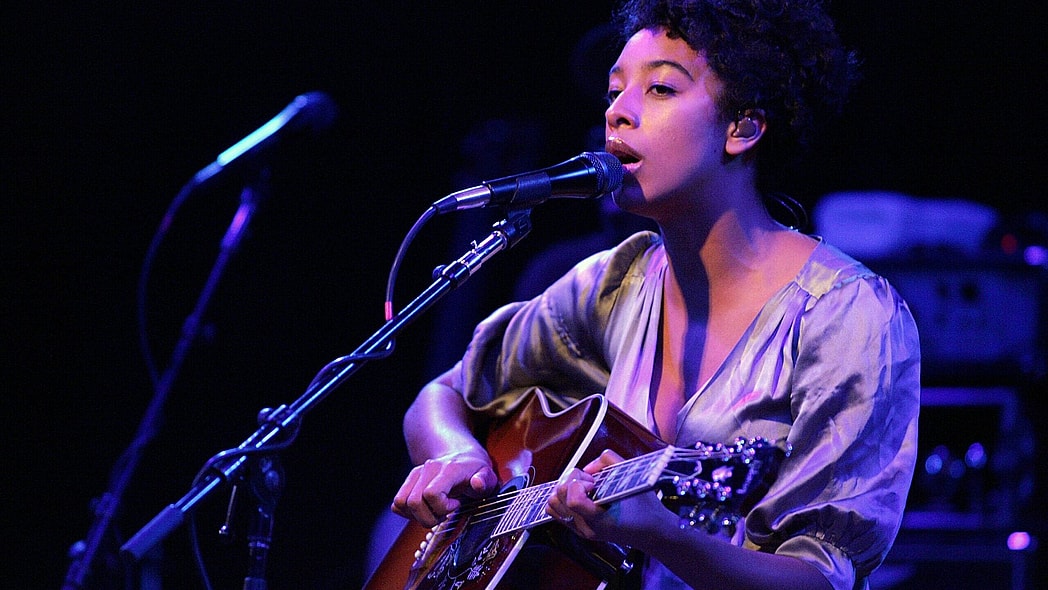
“There weren’t lots of images of young Black children in the books that I grew up with, you know, in the 80s,” she recalled, adding that whenever family members living in New Jersey would send her a birthday card or the occasional book featuring Black children, she would feel especially “seen.”
“It’s so great for kids not to see themselves as the sidekick, but to be the main character,” the musician said. “That’s just really important for young people and young Black and brown children to be the main character in the story.”
The concept of the book also draws from her own musical journey. Rae, who grew up in Leeds, recalled discovering music at an early age through her father’s record collection. Among it were 45s, smaller records with one song on each side that often came in simple blank sleeves, she said. The only way to know what was on them was to actually put them on.
“They were magic to me,” she gushed about her father’s records. “They just were so special. They sort of transformed the everyday and took me outside of myself, but also helped me to express myself.”
Looking at how the culture around music has evolved, Rae — believe it or not — sees a lot of positives in how technology has made music so readily accessible to younger generations. It amuses her to see young listeners discovering punk, metal, classic rock, and more, then diving deeper into the artists, who they were, and their aesthetics.
“For young people today, there isn’t a sense of, like, oh, they can only listen to music that came out in the last five minutes, you know, that they’ve got everything that existed,” she noted.
In the 20 years since her breakout, Rae has grown from a global pop discovery into a deeply experimental and multidimensional artist. Across four studio albums and two Grammy wins, she has continued to stretch her velvety neo-soulful sound while also expanding into visual and multidisciplinary art, a journey that has been shaped by both profound personal tragedy and a renewed sense of joy.
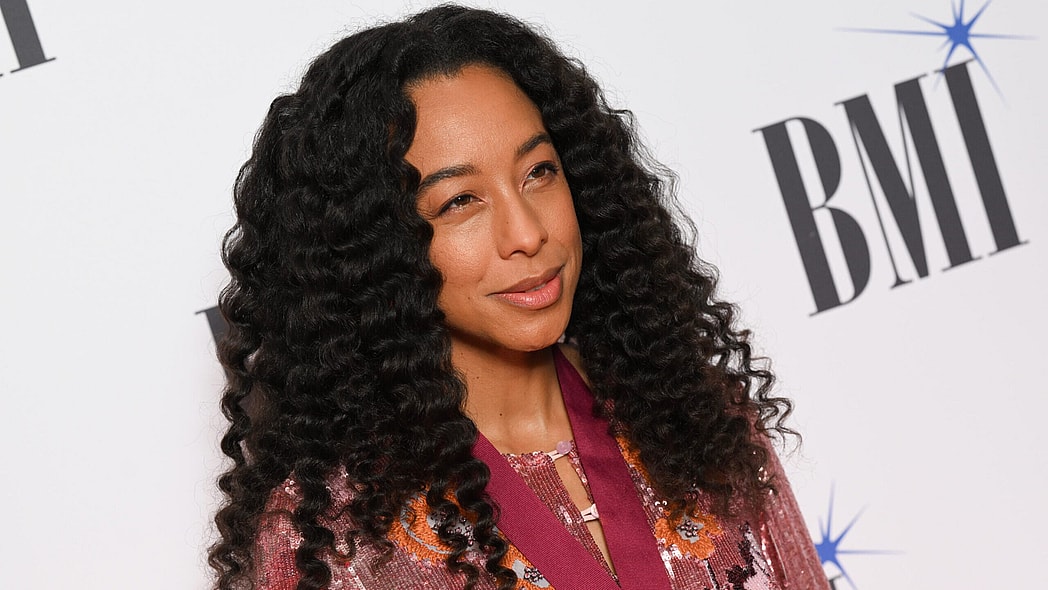
Reflecting on how her song has endured over the past two decades and continues to move so many, Rae is still in happy disbelief. She also remembers where she was before it all began, playing for modest crowds before eventually reaching sold-out audiences around the world.
“It transformed my life,” she said. “This song and this record took me from playing to 100 people in a bar to playing all over the world, playing to my musical heroes, and just getting to meet all these brilliant people and experiencing all these different cultures. So I feel like I am really sort of in love with this song.”
Twenty years later, the message of discovering oneself through music continues to resonate just as strongly.
“The message of ‘Put Your Records On,’ of like finding yourself and being true to yourself, that’s something that I felt I needed to tell myself at that time,” Rae said. “But also it’s something that I engage with every time I play this song on stage.”
She recalled the joy she feels seeing so many different types of people, across backgrounds, genders, and generations, still singing along.
She said, “I just think it’s amazing who the song has got to and the way that it’s connected with people.”
