
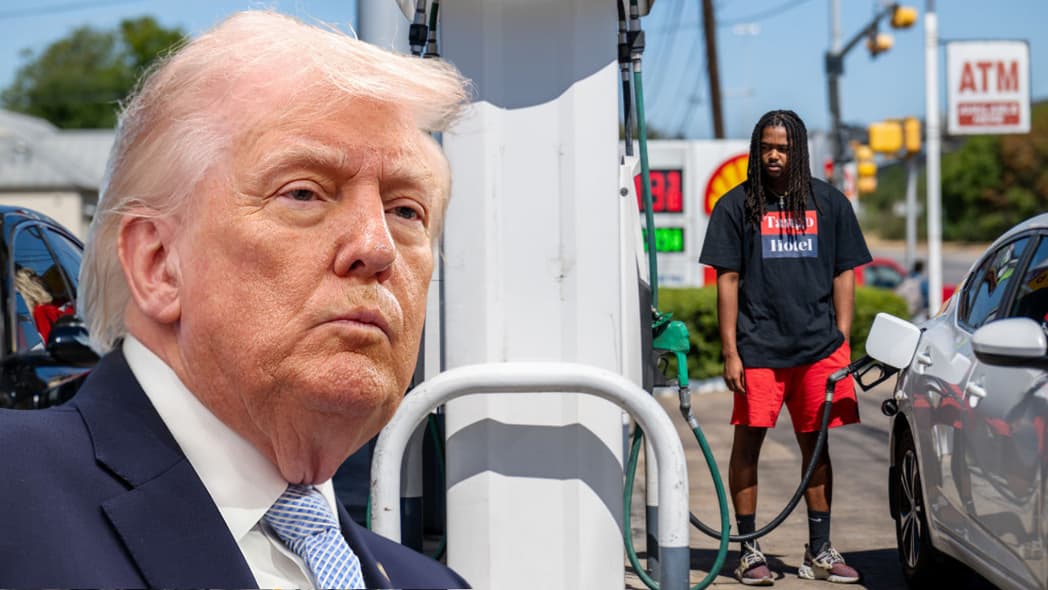
The Trump administration’s top energy chief is warning Americans that a continued spike in gas prices is a “real possibility” amid President Donald Trump‘s ongoing war with Iran.
While the White House has repeatedly claimed victory in the Middle East conflict, President Trump has struggled to end the U.S. military operation in the Gulf region. Most especially, the Strait of Hormuz, the oil shipping waterway that has been blocked by Iran for more than a month, continues to see a lag in the number of oil tankers passing through despite the U.S.’s attempt to take control of the Strait. As a result, oil production has been stymied, and global prices have soared.
In the United States, the average cost of gas at the pump now stands at more than $4, and oil prices have jumped by more than 35% since the start of the U.S.-Israeli war in Iran. Recent data from the U.S. Department of Labor showed that consumer prices spiked by 0.9% in March, bringing the annual inflation rate to 3.3%. The jump in the consumer price index was caused by a 10.9% surge in energy costs.
On Monday, Energy Secretary Chris Wright admitted the worst may not yet have come for energy costs, warning that prices could get much higher.
“We’re going to see energy prices high and maybe even rising until we get… meaningful ship traffic through the Straits of Hormuz,” Wright said during Semafor’s World Economy event in Washington, D.C. “That’ll probably hit the peak oil price at that time. That’s probably sometime in the next few weeks.”
When asked if costs would increase before Americans see drops in gas prices, Secretary Wright said, “It depends how the conflict goes, but it’s a very real possibility.”
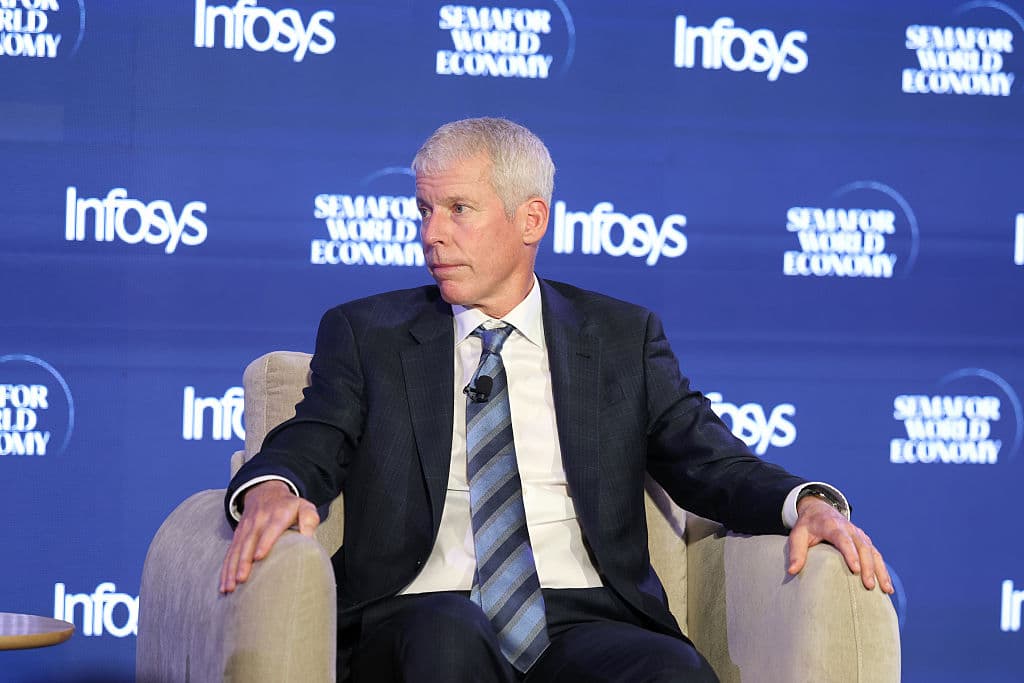
The Trump official sought to emphasize the United States’ long-term objectives in Iran despite the “short-term” impact on consumer prices.
“This is a 47-year long conflict with Iran that’s repeatedly not only been a threat to American soldiers and peace in the Middle East, but also a threat to energy supplies,” said Wright.
The Energy Secretary said President Trump “knew it was short-term disruptive,” but explained he “felt committed to end this threat” from Iran.
“I’m proud of that, but it does mean higher energy prices in the short-term. It absolutely does,” said Wright.
As Americans feel more of the pain at the pump, data suggests Black Americans will feel it more acutely. Black Americans, who have the highest unemployment rate of any racial group and have disproportionately lower household incomes, will surely struggle most to power their lives, whether it be gas for their cars or keeping up with their electricity bills.
President Trump recently contradicted his previous claims that gas prices would soon drop, given that the U.S. had “militarily” defeated Iran. He told Fox News on Monday that the cost of gas could get “a little bit higher.”
Trump and Republicans face a political nightmare ahead of the November midterm elections, as angry voters are displeased with the cost of living, most especially gas and energy prices.
“Donald Trump started an unpopular war with Iran that’s spiked costs for Americans, and now Trump is predicting prices at the pump won’t get better, just as JD Vance fails to strike a peace deal,” said Ken Martin, chairman of the Democratic National Committee. “Working families can’t afford to shell out even more money to get by in Trump’s economy, and they are sick and tired of footing the bill of an unpopular war. If Trump and Vance’s midterm pitch to Americans is higher gas prices by election day, Republicans are in big, big trouble.”
