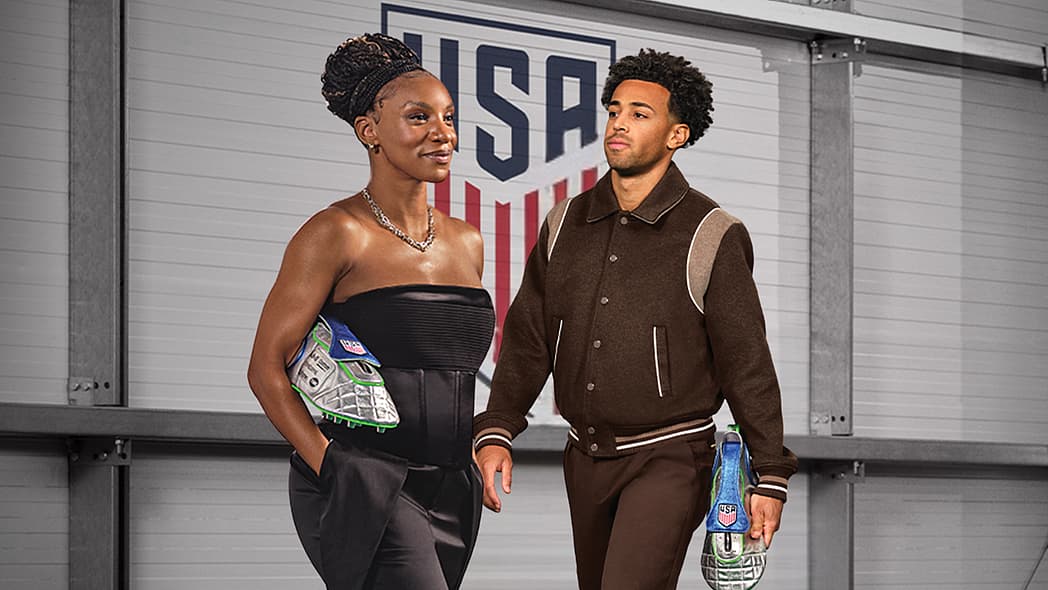
Long before the stadium lights come on, the real work is already happening. For U.S. Soccer stars Tyler Adams and Crystal Dunn, success isn’t just about what fans see on the field, it’s rooted in the routines, relationships, and cultural grounding that keep them steady. Those “assists,” often invisible to the public, are what make it possible to show up, perform, and represent at the highest level.
For Crystal Dunn, a 33-year-old World Cup champion and Olympic gold medalist, this chapter of her life is about the ultimate balancing act. A native of New Hyde Park, New York, Dunn has long been the pride of Long Island, carrying the energy of her upbringing into every match. Now, as a mother to a four-year-old son, her definition of an “assist” has evolved to include the discipline of self-care and the intentionality of raising a mixed-race child in a multi-cultural household.
Tyler Adams, the 27-year-old captain of the U.S. Men’s National Team and a defining face of modern American soccer, shares that New York grit. Raised in Wappingers Falls, Adams credits his mother’s early sacrifices for his rise from the Red Bulls Academy to AFC Bournemouth in the English Premier League. His commitment to the region is permanent: he maintains strong roots in the Empire State as the owner of the Hudson Valley Hammers and a member of the ownership group for Westchester SC, which began play in 2025. For Adams, investing in local soccer is the ultimate way to provide a ladder for the next generation of players who look like him.
In an exclusive with TheGrio.com, both athletes opened up about what that support really looks like beyond the highlight reels and headline moments.
That idea sits at the center of a new campaign from Haleon, the consumer health company behind brands like Advil, Sensodyne, TUMS, and Centrum. In partnership with U.S. Soccer, the “For the Assist” campaign highlights the smaller, often overlooked moments that lead to big outcomes whether that’s a game-winning goal or simply making it through a demanding day.
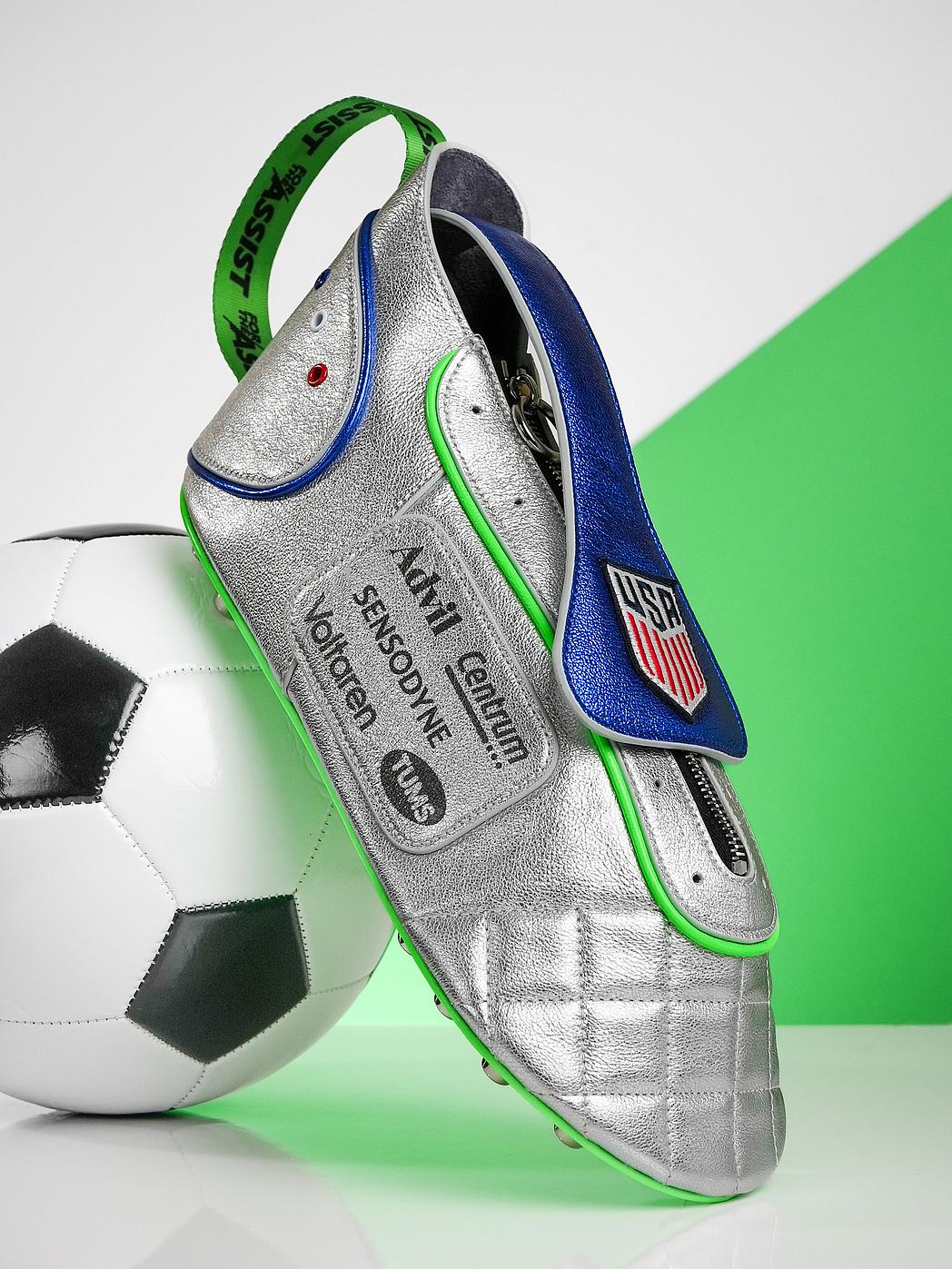
But for Adams and Dunn, the concept goes far beyond product placement.
“I think there’s so many more assists in my life that have helped me get to that moment,” Adams said, pointing not just to physical recovery, but to his family, his upbringing, and even the setbacks that shaped him. “Some of them [are] being successful… some of them [are] making an error in a game and having to bounce back from it”.
That perspective shows up in how he leads. As a headman, Adams says his approach isn’t just about performance, but it’s about connection.
“For myself playing abroad right now, I know what it’s like to be a foreigner… almost be a little bit of an outcast,” Adams explained. Because of that, he views his role as an “assist” for the next generation of Black fans and players. “I know how much the game has to offer to underserved communities, to Black communities, to people that look like me”.
For Dunn, those “assists” carry the same weight.
“Taking care of myself is really having a routine that I don’t stray from,” she said, describing the discipline it takes to prioritize her health while balancing a global career. From daily habits to carving out personal time, she’s intentional about showing up for herself so she can show up for others. “If I can’t be healthy and strong for myself, I definitely can’t be that for my kid”.
There’s also a deeper layer to how both athletes think about support, especially as Black players navigating a sport that hasn’t always centered their communities. Dunn is particularly vocal about the specific pressures faced by Black women in the spotlight, where “strength” is often a requirement rather than a choice.
“Being a woman of color, at times we have to pick and choose when and how we advocate for ourselves,” Dunn shared. She noted that Black women are often unfairly tagged with labels like “aggressive” or “angry” when they stand up for themselves. For her, the ultimate assist is making sure she isn’t the last one through the door. “The most important thing of my career to achieve… is passing that baton and making sure you leave your space better than when you found it”.
That authenticity extends to how she presents herself to the world. Dunn points out that for many, the conversation around Black culture is centered around hair, an area where she loves to experiment. By pushing that culture to the forefront, she is showing up not just as an athlete, but as a Black woman who happens to play sports.
Adams echoed that sentiment, pointing to the visible shift in who is showing up to the game—and who feels like they belong there. He sees the rise of style and identity, like the pregame “tunnel walk,” as a way for players to express their true selves.
“When I see young Black girls and boys playing soccer, I just know now that this sport has really reached a different demographic,” Dunn said. “It’s tapped into communities that just needed an extra push to see this game grow”.
As the sport continues to grow in the U.S., especially with major tournaments on the horizon and more culturally diverse cities like Houston embracing the game, this moment feels bigger than just soccer. It’s about visibility. It’s about access. And it’s about redefining what support looks like at the highest level.
Both Adams and Dunn are evidence that no one gets there alone. Behind every big moment is a network of small, consistent efforts. The early mornings. The recovery days. The lessons learned from failure. The people who show up, day after day.
The assists.
