
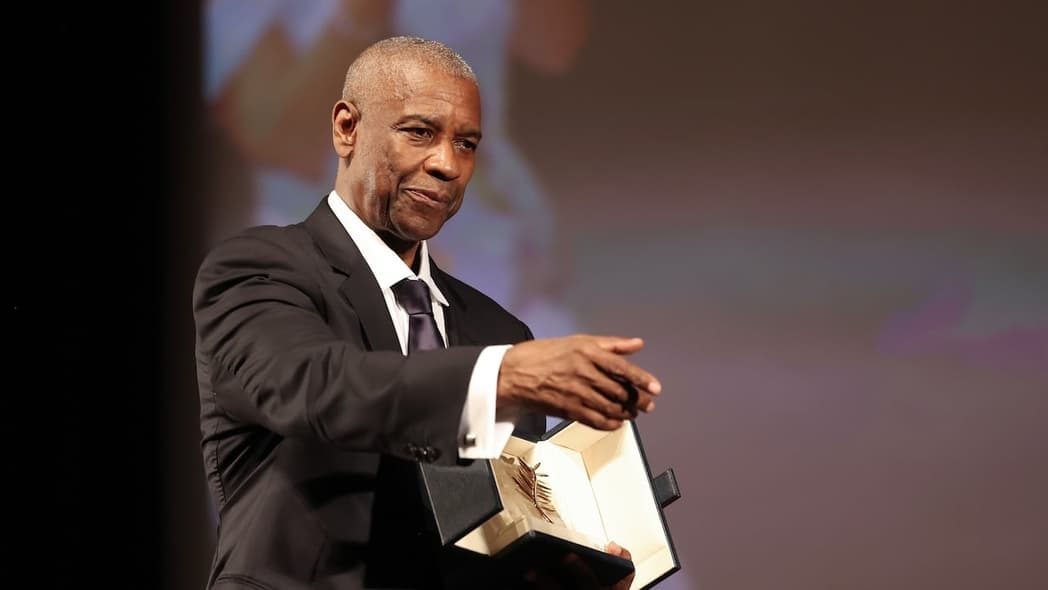
By all accounts, Denzel Washington is the most accomplished actor of his generation. He is a two-time Academy Award winner, the most nominated Black actor in the ceremony’s history, and has a long list of accolades, classic films, and one-liners that still resonate with audiences and pop culture today.
However, there’s one aspect of Washington’s wisdom that won’t be repeated as often as the words of Alonzo Harris, John Quincy Archibald or even his portrayal of Malcolm X: his own. He’s often given speeches, whether commencement or otherwise and allowed his words to sit the same way he would a monologue or a piece of dialogue. Whether it be through interviews or even something he told Yahya Abdul-Mateen II in passing ahead of “Man on Fire,” when Denzel speaks, people listen. And it is often some of the most sage advice around.
Here are five major Denzel quotes to live by — and none of them have anything to do with going to a theater program or joining acting school with dreams of reaching Hollywood.
Denzel on embracing failure: “Sometimes it’s the best way to figure out where you’re going.”
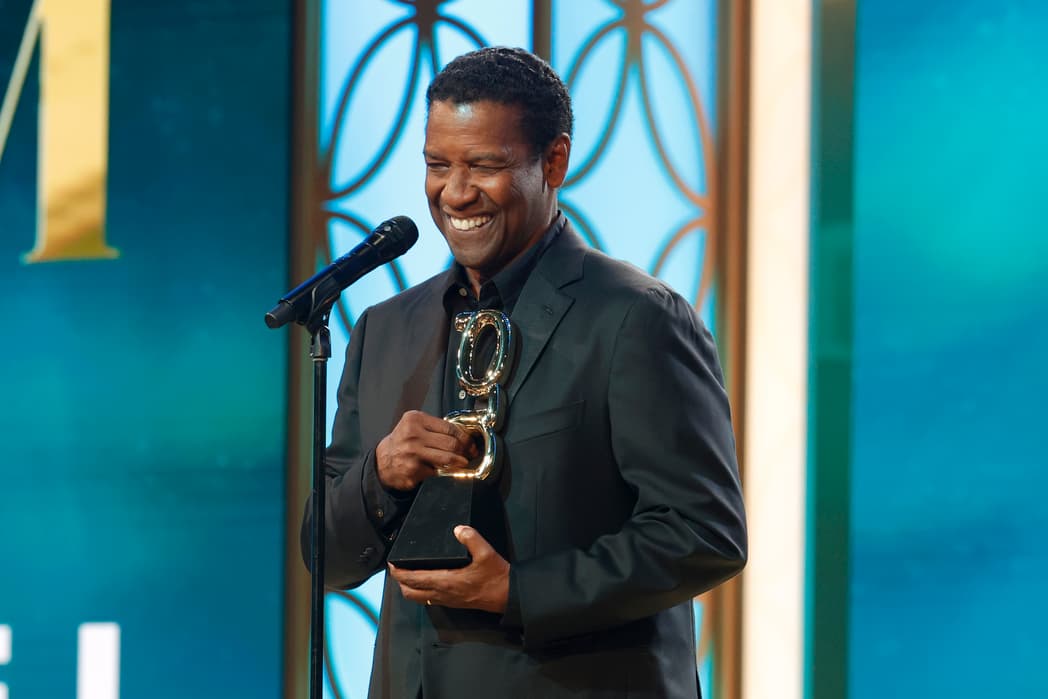
In 2011, Washington gave the commencement speech at the University of Pennsylvania. His message to the men and women set to enter the professional world was simple: fall forward. It might not have been the ideal message to give a group of graduates on a day they’re celebrating four years of hard work…a goal achieved. But Washington sharpened his message with a calm understanding—the quicker you accept you will not be good at something, the faster you will grow to adapt.
“Sometimes it’s the best way to figure out where you’re going,” Washington told the audience at the time. “Your life will never be a straight path.”
There’s validity to that. Washington didn’t go to college with dreams of becoming an actor. Quite the opposite. He was a pre-med student. Once, he entered a class for which the title he couldn’t readily pronounce, failed it, and then switched his major to pre-law. That didn’t work, so he switched to journalism. But he found his calling after a woman told him he’d travel the world and speak to millions. It might not have been through preaching or ministry, but through film. Why? Because he failed at everything else before he found something that worked.
LeBron James has missed the most shots in NBA history. He’s also the league’s all-time leading scorer and no worse than No. 2 among the greatest basketball players of all time. The misses, in Denzel’s eyes, become footnotes to the makes.
Denzel on comfort: “Ease is a greater threat to progress than hardship.”
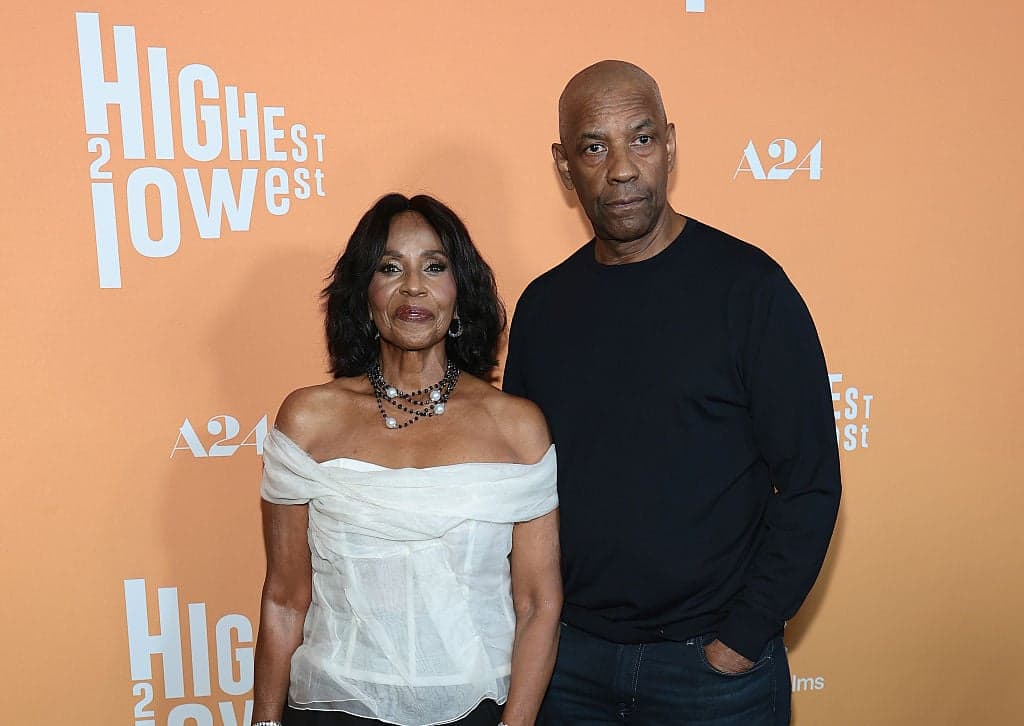
For fans who’ve watched Washington dating back to “Glory” or even “St. Elsewhere,” his appearance on screen seems effortless. The roles seem perfect for him and at the same time, critics feel that sometimes he’s playing himself, only with a different job title or in a different era. Similarly to understanding that failure will happen, he also cautions about getting too comfortable.
When he accepted the NAACP Image Award for “Fences” in 2017, he had already won two Academy Awards and had begun a period of his career in which he’d adapt the brilliant works of August Wilson for the silver screen. What risks did he need to take? He was already a legend at this point, but Washington told the audience that night in Los Angeles that his focus was always on being consistent and always showing up, even when things feel difficult.
“If it was easy, there’d be no Kerry Washington, if it were easy, there’d b no Taraji P. Henson or Octavia Spencer,” he said. “Not only that, there’d be no Viola Davis….there’d be no Denzel Washington.”
He concluded his speech with, “Ease is a greater threat to progress than hardship, so keep moving, keep growing, keep learning. See you at work.”
Denzel on faith: “Put God in everything you do.”
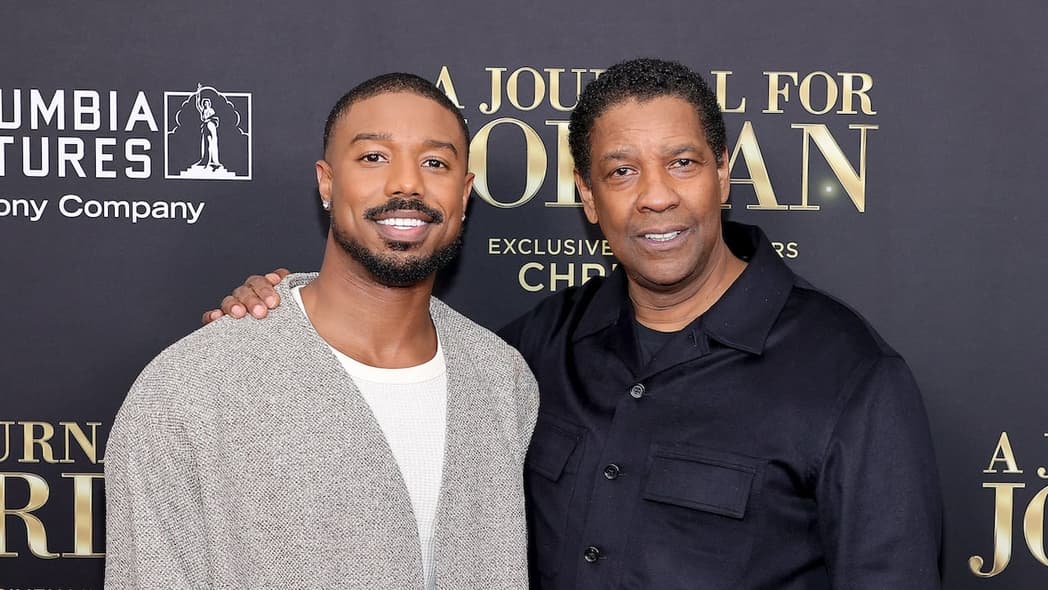
Remember the story about the “Training Day” star finding his path after encountering a woman who’d told him he’d likely be a preacher? It’s no secret that Washington is a devout Christian and touts his faith as one of the balance beams of his strength. Gratitude and humility are top of mind with Denzel, and those things precede his ambitions. It’s grace over grind in his world, to the point where both have aligned to deliver some high professional highs, but even higher personal ones.
When he spoke to the students at Dillard University at the HBCU’s 2015 commencement, he referenced the story of meeting the woman outside his mother’s beauty shop. But he’d long developed a habit of giving thanks first thing in the morning before doing anything else.
“Put God first in everything you do,” he told those students in New Orleans. “Everything that you think you see in me. Everything that I’ve accomplished, everything that you think I have – and I have a few things. Everything that I have is by the grace of God. Understand that. It’s a gift.”
Those words tie into another life lesson Washington hopes carries on after he’s long gone.
Denzel on legacy: “You’ll never see a U-Haul behind a hearse.”
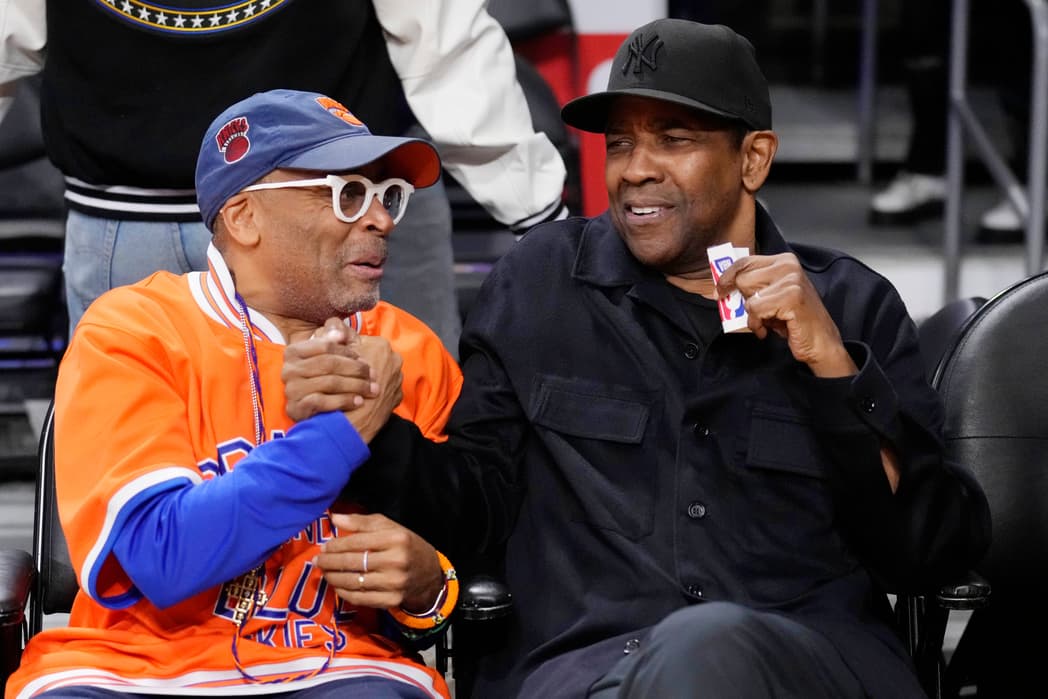
When you think of Denzel, you could probably list a wide range of films from him. Iconic scenes, monologues that stand the test of time. But his message about how he views legacy? It’s about what you did, not about what you have.
In the same speech to those students at Dillard, he told students to let the work speak for itself, while at the same time dropping an all-time Denzelism.
“You’ll never see a U-Haul behind a hearse,” he said. “I don’t care how much money you make, you can’t take it with you. The Egyptians tried it, they got robbed. That’s all they got. You can’t take it with you.”
When you tie it to any item in Washington’s life, whether it be parenting or marriage (known when to say “yes dear” and “honey, you’re right” by the way), it all comes down to service. What did you do, who did you help move to a goal that would change a community for the better? Making a living according to Washington isn’t the end goal, making a difference is.
Denzel on recognition: “Man gives the award, God gives the reward.”
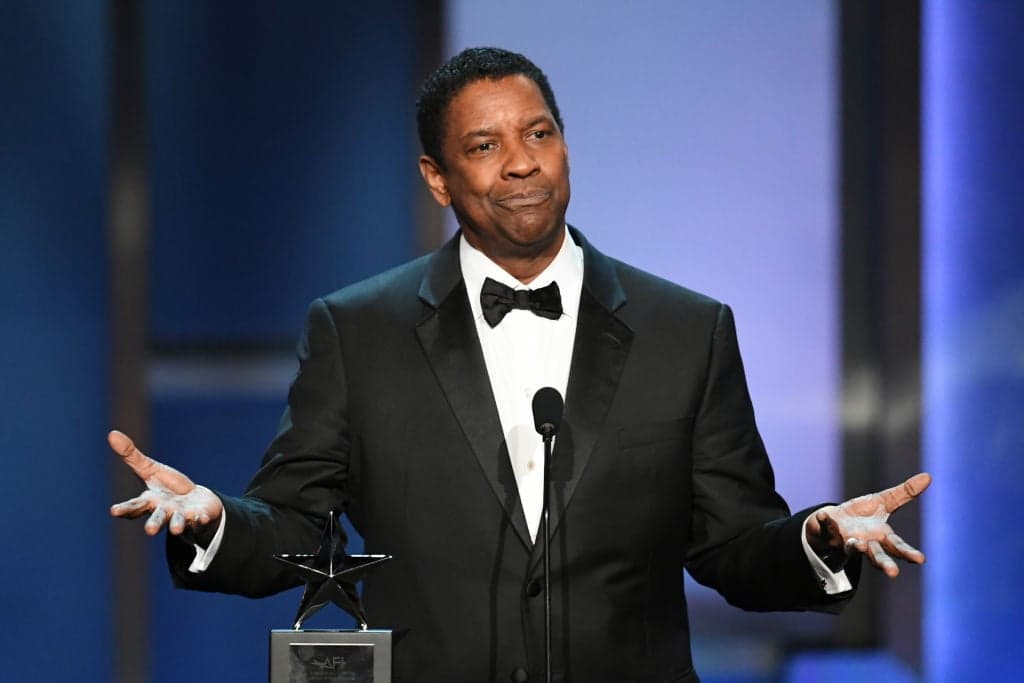
Validation is a common theme in life, dating back to when we’re children looking for a reason to be given the things we desire and want. For Washington, validity never came in the form of a trophy, to paraphrase Phife Dawg from A Tribe Called Quest’s “Award Tour.” Instead, validity came from taking risks. For dreaming big. He learned “man gives the award…” from his mother and it has carried on in numerous shapes and forms for him.
“Dreams without goals, are just dreams,” he told the students at Dillard. “They often fuel disappointment. So have dreams, but have goals, life goals, yearly goals, monthly goals, daily goals. I try to give myself a goal every day, sometimes just to not curse somebody out.”
Washington’s path from receiving the word that would change his life to changing the lives of others has come with little parables and nuggets along the way. These five lessons are what he’s used to fulfill his life, as a father, a husband, an actor and a humab being. Most of Washington’s tales don’t feel tailor-made for fortune cookies or even a mood board. But they all drill down to being consistent and thinking of the impact of your work on a daily basis.
And making sure you leave something for the next generation to aspire toward.
