
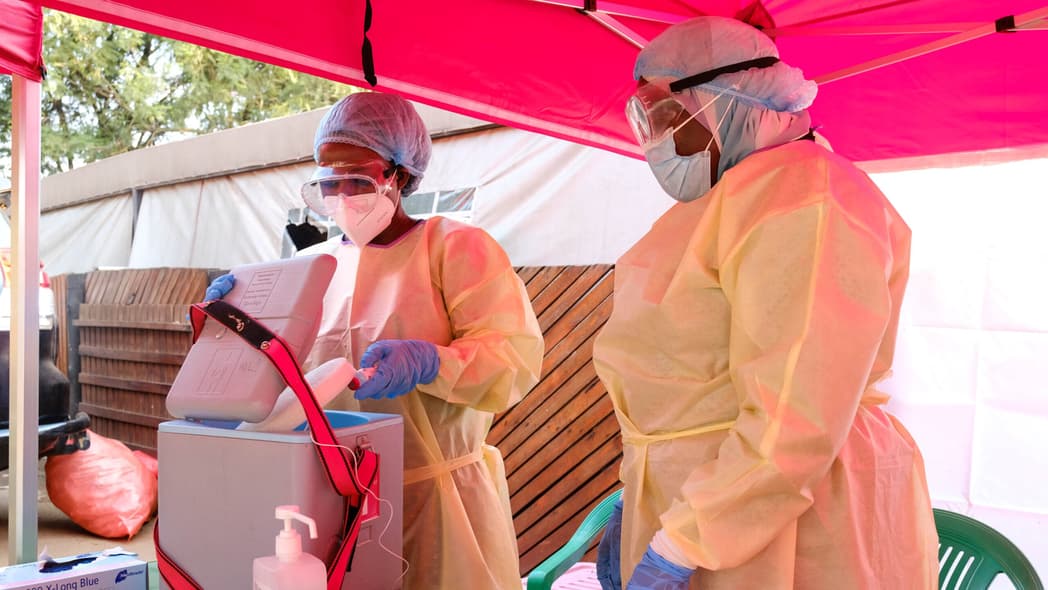
The head of the World Health Organization has expressed serious concern over the worsening Ebola outbreak affecting the Democratic Republic of Congo and neighboring Uganda, warning that the scale and speed of the spread are alarming, according to CNN.
WHO Director-General Tedros Adhanom Ghebreyesus said Tuesday that the outbreak, linked to the Bundibugyo strain of the Ebola virus, is largely concentrated in the northeastern Ituri province of the Democratic Republic of Congo (DRC). According to Congolese Health Minister Dr. Samuel Roger Kamba, at least 131 deaths have been linked to the outbreak, while more than 500 suspected cases are under investigation.
WHO officials confirmed that 30 cases have already been laboratory-confirmed in Ituri province. In neighboring Uganda, two confirmed cases were also identified in the capital city of Kampala.
The outbreak was officially confirmed on May 15 after WHO received reports earlier in the month about a mysterious illness with a high fatality rate in eastern Congo. Health experts believe the virus may have been spreading undetected for weeks before authorities identified it.
Dr. Tedros described the situation as deeply concerning and noted that the high positivity rate suggests the outbreak could be far larger than current figures indicate. WHO has since declared the epidemic a “public health emergency of international concern,” its highest level of global health alert.
Medical experts have also raised questions about how the outbreak expanded unnoticed despite the DRC’s long history of dealing with Ebola epidemics. Craig Spencer, a physician who survived Ebola in 2014, told CNN he believes the actual number of infections is likely much higher than reported.
In response, the United States introduced temporary travel restrictions tied to the affected region after a U.S. citizen tested positive for the virus while in Congo. However, the Africa Centres for Disease Control and Prevention criticized broad travel bans, warning they could negatively affect economies and humanitarian efforts.
Ebola spreads through direct contact with bodily fluids or contaminated materials. Currently, there are no approved vaccines or treatments specifically designed for the Bundibugyo strain.
