
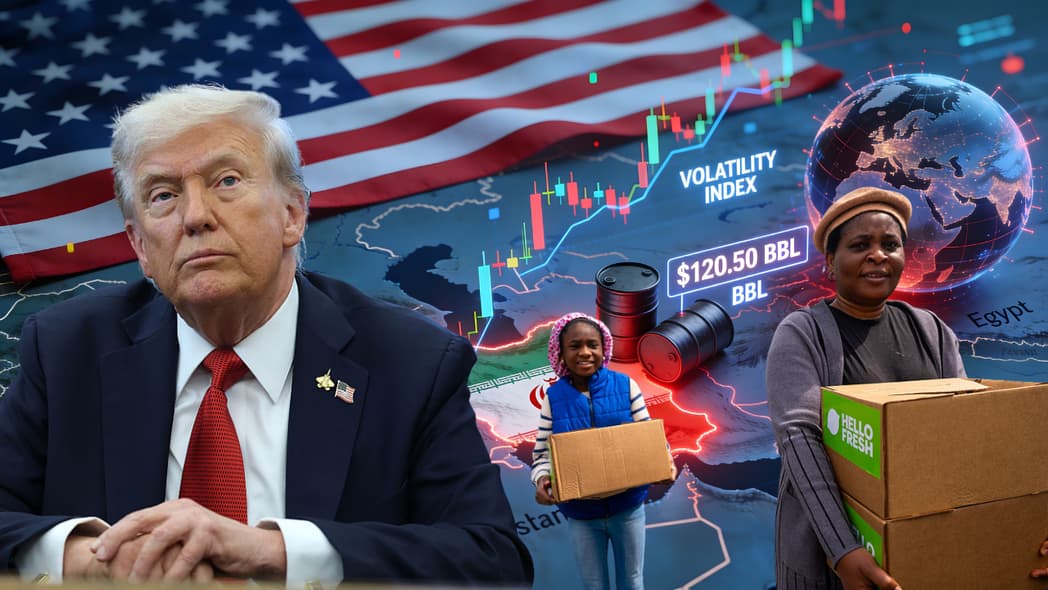
As Black households disproportionately feel the financial squeeze of President Donald Trump‘s economy, two economic measurements released this week indicate things aren’t getting better anytime soon.
On Thursday, the price index for consumer expenditures (PCE) rose to an annual rate of 3.8%, a nearly three-year high. According to the U.S. Commerce Department, the cost of goods and services, such as gasoline and energy, as well as housing and utilities, were the main drivers of the increase in household spending. In total, Americans paid $111.1 billion more in April. The report also found that personal income, including disposable income, slightly decreased month to month.
In addition to inflation rates, average mortgage rates for a 30-year fixed loan increased month to month to 6.65% from 6.56%, the Mortgage Bankers Association announced on Wednesday. This marks its highest level since August 2025. As a result, many borrowers are choosing not to refinance their home loans, and prospective buyers are similarly pulling back with applications dropping by 8.5%.
The latest mortgage and inflation rate increases signal further financial burden for Black households, which are experiencing gaps in wealth, wages, and access to good-paying jobs. In addition to the Black unemployment rate climbing to 7.3%—its highest since the end of 2021—Black Americans are seeing less in wages, and Black businesses are being squeezed as a result of increased costs related to Trump’s war in Iran and the president’s tariffs on global imports.
“Higher mortgage rates and rising inflation are a one-two punch for Black households. They make it harder to buy a home, keep up with monthly bills, and build long-term wealth,” Cantrell Dumas, senior researcher of Financial Regulation and Policy at The Joint Center for Political and Economic Studies, told theGrio.
He continued, “Black households are already less likely to own homes and less likely to have financial savings. Rising mortgage rates can push homeownership further out of reach. At the same time, higher prices for food, rent, utilities, and transportation leave families with less money to save.”
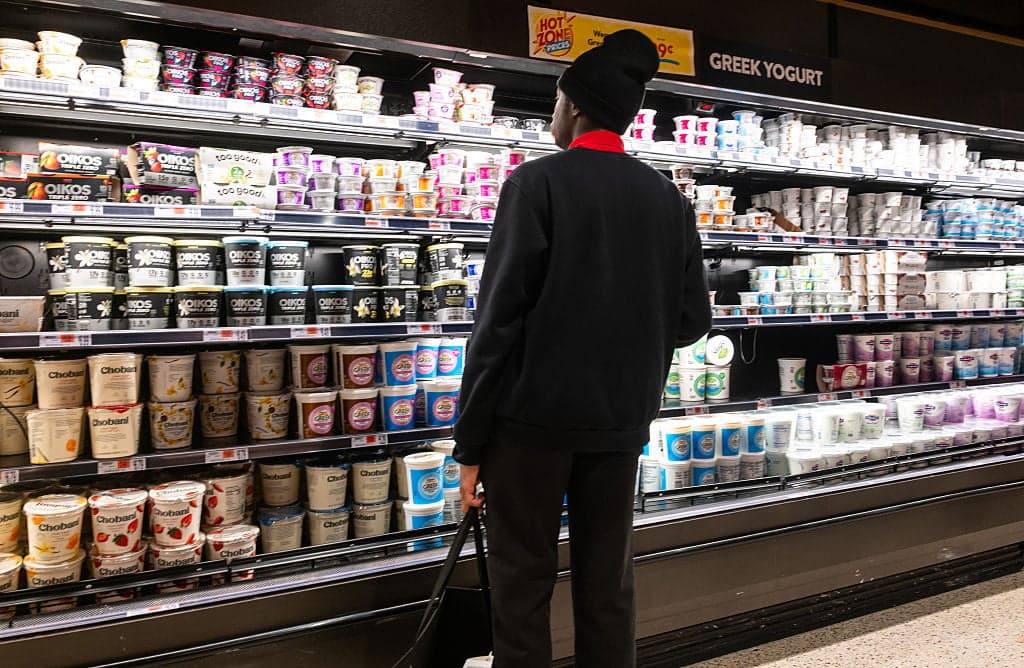
“As inflation and the housing crisis continue to rise, as does the disproportionate, harmful impact on the lives and livelihoods of Black folks,” U.S. Rep. Ayanna Pressley (D-Mass.) told theGrio.
“High mortgage rates, lack of job opportunities and fair pay, and skyrocketing grocery and utility bills are putting pathways to stable housing and economic mobility further out of reach for Black communities who are already burdened by a deficit of investment and opportunity.”
Pressley, who recently held a press conference on Capitol Hill ringing the alarm on how Trump’s policies are impacting the Black economy, added, “The impacts of Trump’s reckless domestic and foreign policies are being felt by everyone—but that weight is carried by Black families who are doing their best to try and make it through this affordability crisis.”
Earlier this year, The Joint Center published a report highlighting how Trump’s economic policies, attacks on DEI, and cuts to the federal workforce are driving a “Black recession.”
What’s more, if the numbers aren’t enough, Black Americans themselves are blaming Trump for their financial challenges. According to a New York Times/Sienna poll, Black Americans were more likely than any other racial group to disapprove of Trump’s job performance (83%) and say the country is heading in the wrong direction (80%). Additionally, 89% of Black Americans say the economy is poor or fair under the second Trump administration.
What’s worse, a new report published by the Federal Reserve Bank of New York found that Trump’s policies, including historic reductions in SNAP benefits, have led to more American households lacking enough food to eat or skipping meals.
“The administration keeps pouring gasoline on the economy and then blaming families for getting burned,” Nadine Smith, president and CEO of Color Of Change, told theGrio. “It’s wars, chaos, and reckless economic choices that are driving up prices, rattling markets, and making it harder for people to build any kind of stable life.”
Smith continued, “For Black families, who are already paying more for groceries, gas, rent, and credit, higher mortgage rates and inflation are just another example of the White House’s policies failing everyone, but Black households are being asked to carry the heaviest load with no support”
“An economy cannot work for everyone when families are paying more to live and more to borrow at the same time,” Alphonso David, president and CEO of the Global Black Economic Forum, told theGrio. “For Black households, this is a double squeeze: inflation eats into income while higher mortgage rates make homeownership less attainable.”
He added, “Further, higher energy costs and rising consumer prices create a pressure cooker for households that were already navigating wage gaps, credit disparities, and limited access to affordable housing. The result is simple: less savings, less mobility, and less opportunity.”
