
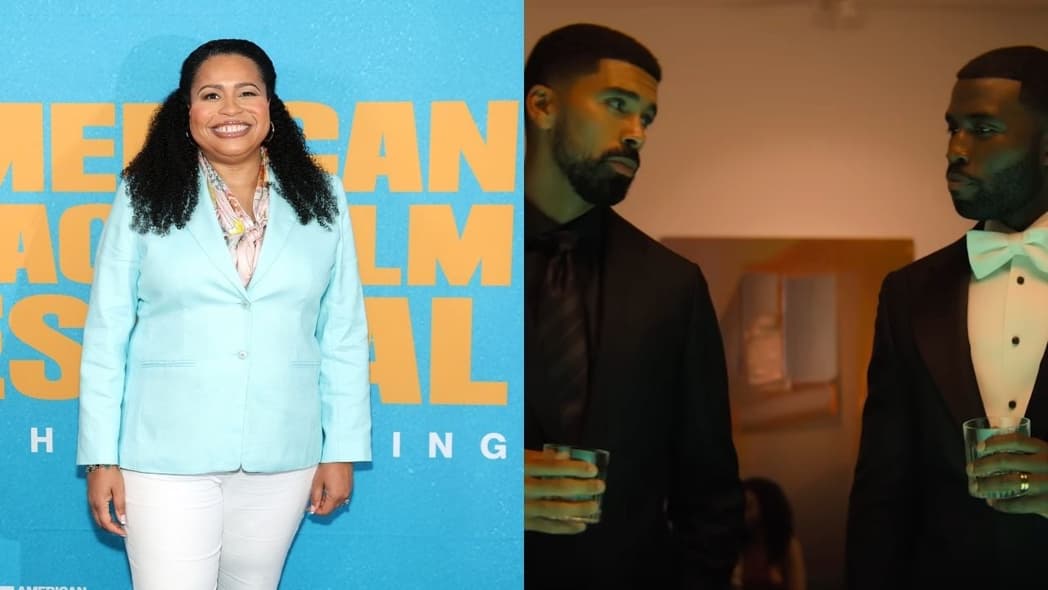
All of those posts on X, Threads, and elsewhere online slamming Netflix’s new heist show “Nemesis” for the acting or ripping into its wild plot twists aren’t doing anything but amusing its creator, Courtney Kemp Agboh. In fact, generating those types of reactions is exactly the goal.
The television producer and creator behind both “Nemesis” and “Power” opened up during Netflix’s “Celebration of Black Television” panel at the 30th annual American Black Film Festival last week about how much she enjoys watching audiences “hate-watch” her shows.
“I want people to yell at the TV,” Kemp Agboh said. “I want you to give me all the comments, and be mad at me and angry and all that.”
She added, “I saw a comment a couple of days ago that was like ‘I can’t stop watching ‘Nemesis’. I hate this show. The writing is so bad. I have to watch it again,’ and I was like, ‘Thank you. I appreciate you, my brotha!’”
“Nemesis,” which dropped on Netflix on May 14 and stars Matthew Law as Isaiah Stiles, a cop with a chip on his shoulder, and Y’lan Noel as his criminal rival Coltrane Wilder, has remained in Netflix’s Top 10 while continuing to be a major topic of conversation online as more viewers discover its pulpy crime story. All of that discourse—even the criticism—helps, Kemp Agboh said, and ultimately increases the chances of earning a second season.
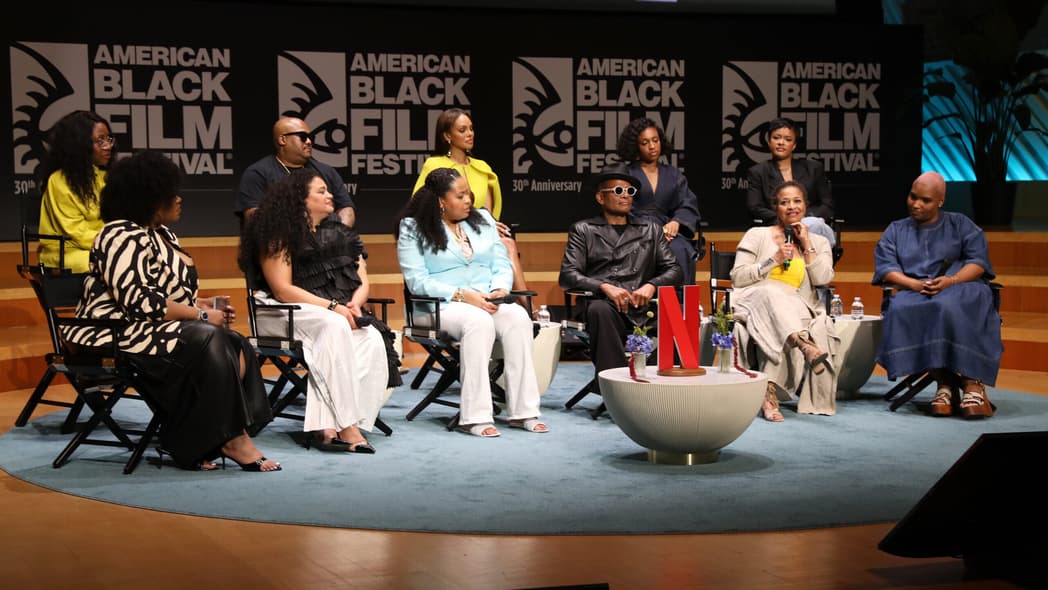
During the panel, Kemp Agboh joined others on stage representing Black shows on the steamer in jokingly encouraging the audience to “run it up” by letting the series play in the background on mute. The success of Black-led shows doesn’t just determine whether a series gets renewed — it helps foster opportunities for more Black stories with bigger investment.
And not every show is trying to be a prestige drama with the weight and seriousness of a Russian novel. Sometimes television is meant to be messy and wildly entertaining. Much of “Nemesis,” according to co-creator Tani Marole, is intentionally designed to keep viewers off balance.
In the series, Coltrane Wilder can be a cold-blooded killer in one scene and a devoted husband in the next.
“For us it’s important to subvert your expectations. What you would expect from a villain and what you would from a hero,” he explained. “When people say they hate the cop, ‘Alright, cool.’ When people say they root for the villain, ‘Alright, cool.’ And then when you think of your villain and you think how dedicated he is to his wife in the most romantic ways, forget he just killed someone 30 minutes ago!”
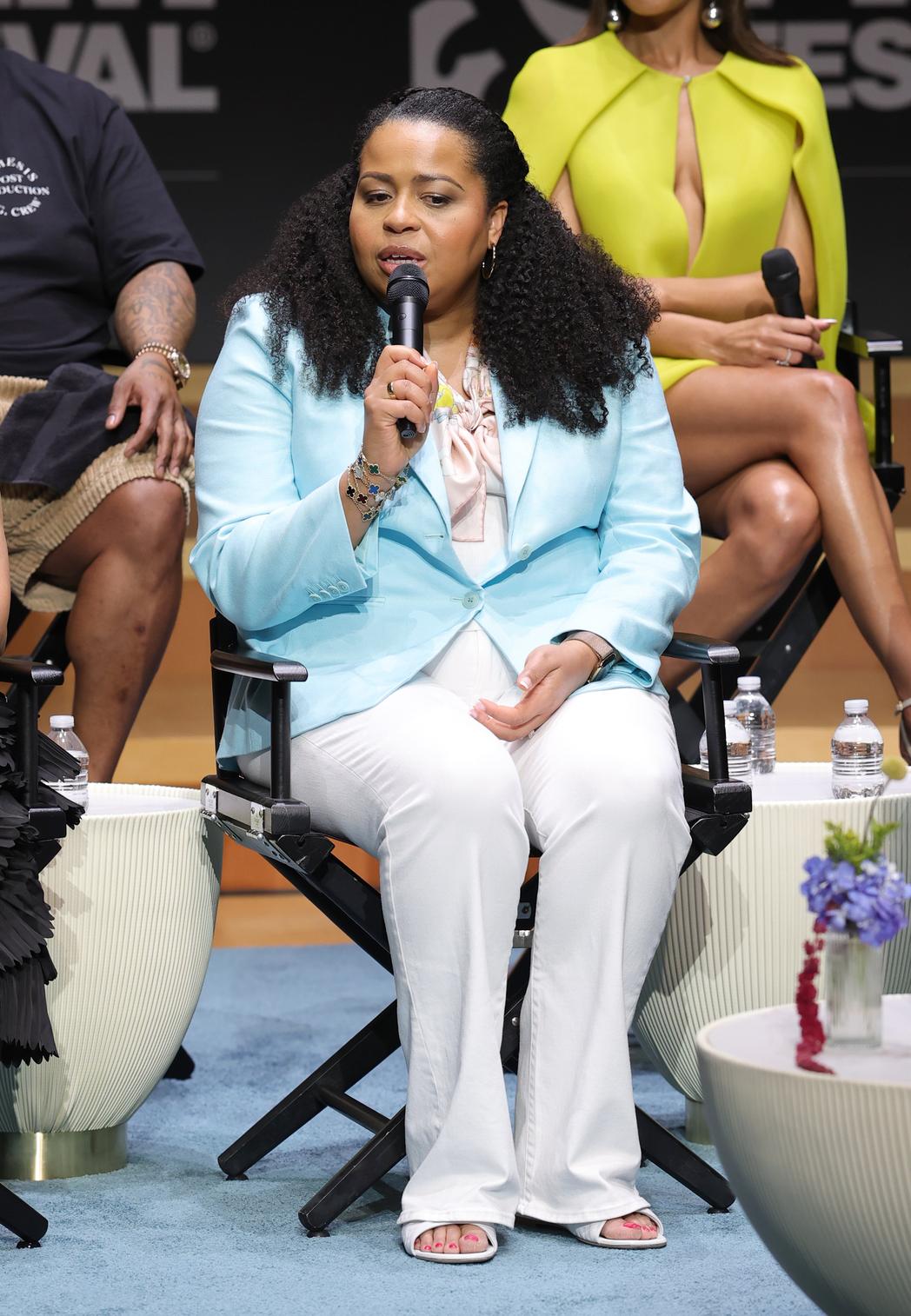
Marole also teased that the series uses Coltrane to challenge another familiar trope, the idea that all men cheat. The comment drew one of the biggest reactions of the panel, with many men leaping to their feet to applaud while women laughed and shook their heads. The response was exactly the kind of passionate engagement Kemp Agboh said she enjoys watching unfold online.
While she admitted she avoided reading every comment during the height of “Power”—especially after Ghost’s fate, reminding the audience that she did not personally kill him—she said she has been paying much closer attention to reactions surrounding “Nemesis.”
“That said, I do read them. Mostly, I read the positive ones,” she continued, before adding, “The negative ones I’m like, ‘Okay, you watched it all day. I already got you!’”
She then threw her head back and let out a witch’s cackle as the crowd erupted in laughter and applause.
