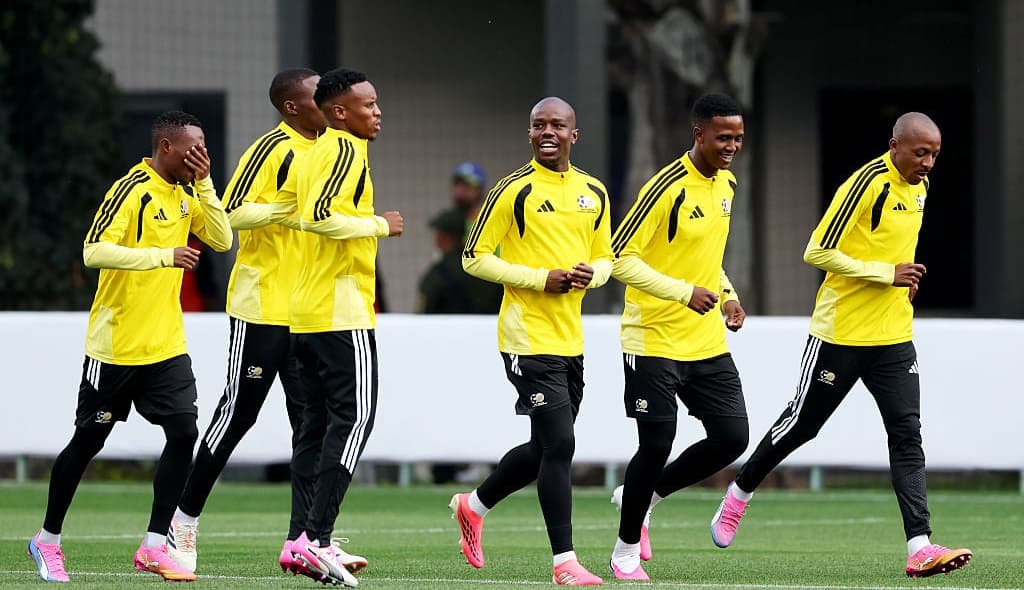
South Africa and Mexico opened the World Cup on Thursday (June 11) in Mexico City with Mexico winning the opening contest 2-0. For citizens of some African nations, online reactions to the matchup show that solidarity with South Africa has its exceptions, despite shared proximity on the continent.
View on Threads
From jokes about combining African and Hispanic names to videos trolling South Africa, it appears some Africans are using the international soccer competition to throw their support behind Mexico in hopes of eliminating the South African team from the games. But why would Africans show support for the Latin American nation instead of a fellow African one?
The games come as tensions are mounting in South Africa between its born and bred citizens and its migrant population, specifically those from other African nations. Immigrants in South Africa from countries like Nigeria, Ghana, Mozambique, and Malawi are currently fleeing the country as xenophobia becomes increasingly prevalent. Anti-migrant groups have even set a deadline of June 30 for foreign nationals residing in South Africa illegally to leave.
South African President Cyril Ramaphosa has responded to those groups, saying, “Only authorized government officials can act against violations of our law.” But he also stated that South African’s concerns “deserve to be heard, and they deserve to be addressed.”
The governments of other African countries are taking the anti-migrant threats seriously. Ghana, Nigeria, and Malawi have organized evacuation efforts to bring undocumented migrants from their countries home. Nigeria, the most recent nation to make this decision, is planning to repatriate 1,000 Nigerians to the West African country.
Mozambique has reported that five of its citizens were killed in May in xenophobic attacks, although South African police have only confirmed that two Mozambican men were murdered due to violence linked to anti-immigration sentiment.
There are very real problems South Africans are facing in this economy, as the nation has one of the highest unemployment rates in the world. In the first quarter of 2026, 32% of South Africans, or 8.1 million people, were unemployed. This was an increase from 7.8 million in October to December 2025, according to a report from Statistics South Africa. Anti-immigrant campaigns have been framing the issue as being the fault of foreigners, claiming that undocumented migrants are overtaking the job market and contributing to high crime rates.
The World Cup, like any international event, is never just about national pride, as politics inevitably come into play. Many are also questioning the United States for being chosen as one of the host countries when President Donald Trump is running an extremely publicized anti-immigrant campaign. On Wednesday, Trump signed a $70 billion act that includes more funding for Immigration and Customs Enforcement and Border Patrol. Travelers and World Cup participants are entering the United States cognizant of emboldened immigration authorities.
The fate of South Africa’s team is, of course, separate from the question of whether African migrants will be able to safely live and work in South Africa. But the result of a soccer match may feel like a small win to those who are concerned with the nation’s treatment of African foreigners.
