
Once again, Cardi B is championing the progress that Black Americans have fought for and the ways those victories have helped shape life in the United States for immigrants.
Over the July 4th holiday weekend, the 33-year-old rap star shouted out the legacy of the Civil Rights Movement during in an interview with Anderson Cooper and Andy Cohen.
“The reason why Caribbeans like me, [my] family, and Latinos and Hispanic people, the reason why they could thrive in this country is because Black African-Americans fought for everybody to be equal,” the “Bodega Baddie” rapper told Cooper and Cohen. “If it wasn’t for them, it wouldn’t be no Caribbeans thriving here. They were the ones that fought for this.”
It isn’t the first time Cardi B has made this point, and she isn’t the only immigrant-adjacent public figure to express a similar view. But her comments do beg a question: What exactly are she and the others referring to? While the Civil Rights Movement is often remembered for dismantling legal segregation and expanding voting rights, its impact has extended far beyond Black Americans. Several landmark laws, court decisions, and workplace protections born from that era went on to benefit immigrants and many other communities across the country.
Ending race-based immigration quotas
Before 1965, the U.S. immigration law favored Northern and Western European immigrants, leaving Asian, African, Caribbean, and many other groups to face severe restrictions and quotas. Then came the Immigration and Nationality Act of 1965, which abolished the racist immigration quotas. While not a civil rights bill per se, it was passed at the height of the Civil Rights Movement, and the momentum from that and the Civil Rights Act of 1964 certainly helped pave the way for its passage.
Workplace discrimination practices
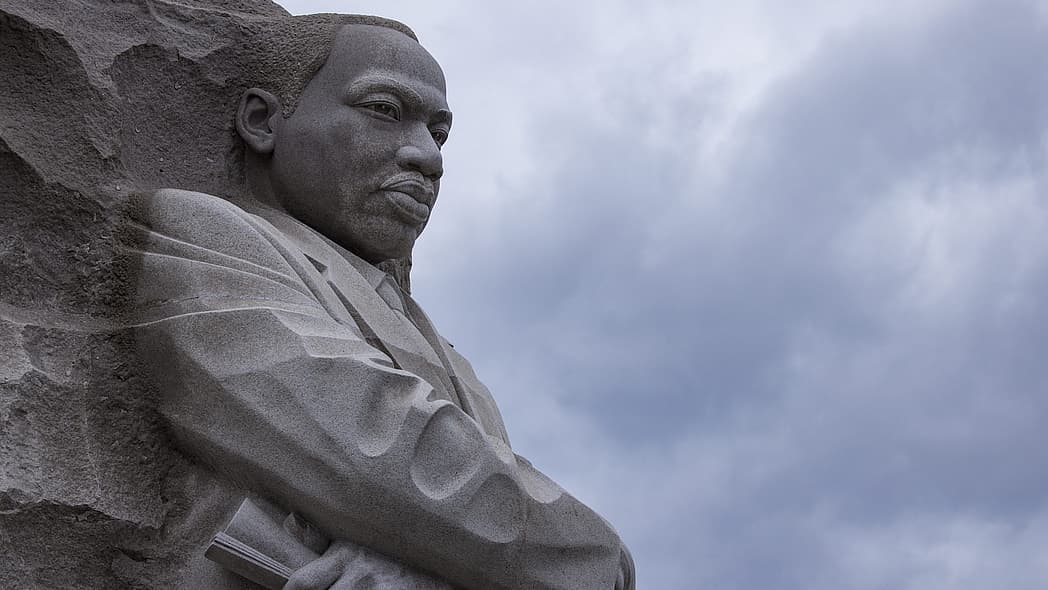
While the Civil Rights Act of 1964 was spearheaded by Dr. Martin Luther King Jr. and other prominent Black civil rights leaders of the time, its passage stands as one of the most far-reaching pieces of civil rights legislation in U.S. history. Signed into law by President Lyndon B. Johnson on July 2, 1964, it ended legal segregation in public places and banned employment discrimination based on race, color, religion, sex, or national origin.
Voting rights for naturalized citizens
Though it was gutted earlier this year, the Voting Rights Act of 1965—which was fought for through the pain, blood, sweat, tears, and lives of many Black advocates and their allies—outlawed racial discrimination and banned literacy tests. With many immigrants belonging to racial and ethnic minority groups, this extended to naturalized citizens as well. Specific protections targeting language barriers commonly faced by naturalized citizens were added through a 1975 amendment.
Housing protections
Dr. King was assassinated in April of 1968, but as we know, his dream didn’t die with him. Exactly one week after his assassination, President Lyndon B. Johnson signed the Fair Housing Act into law on April 11, 1968, which prohibited discrimination concerning the sale, rental, and financing of housing based on race, religion, national origin, and sex.
Language access in schools, hospitals, and government
Additionally, within the Civil Rights Act of 1964 that King tirelessly fought for, Title VI, to be exact, there is language to support protections against discrimination based on national origin that has paved the way to make public spaces more accessible to a wide array of languages. This means that schools, hospitals, public transportation, social services, and government offices are required in many cases to offer accommodations and solutions for those whose first language isn’t English.
