
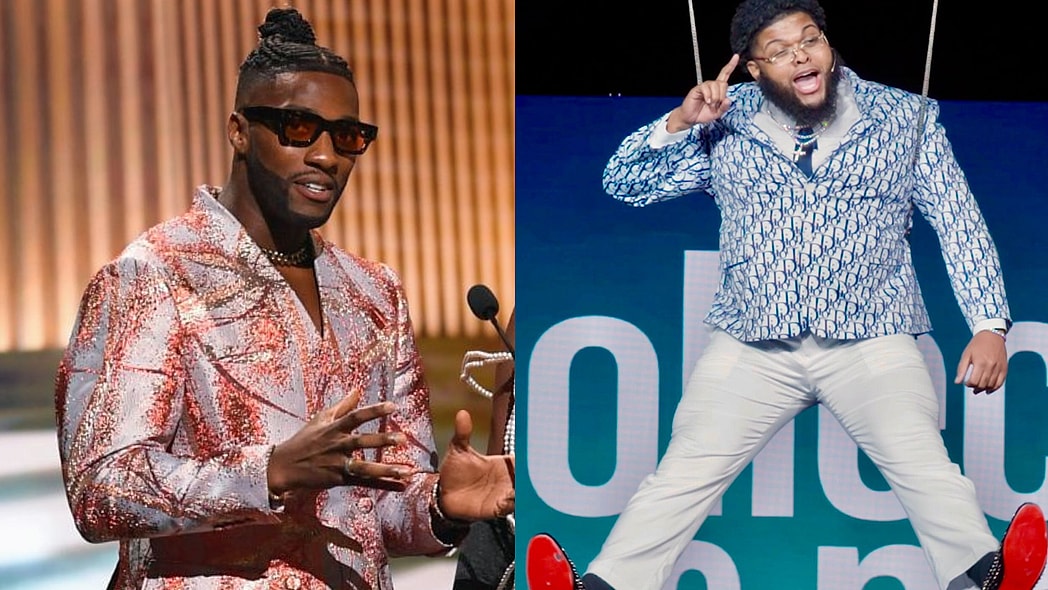
A week after Druski’s mega church parody lit up Instagram and split the timeline, Pastor Michael Todd is weighing in, and he’s not doing it with outrage.
In a recent sermon, the Transformation Church leader addressed the chatter connecting him to the viral skit, saying he finally watched the video after hearing people claim he was one of the inspirations behind the character. His verdict? “It was hilarious. It was funny,” Todd said, around the 39-minute mark of the sermon video.
But Todd’s bigger takeaway wasn’t about whether Druski “went too far.” It was about what the skit revealed in everyone watching, especially how quickly people slipped from discussion into division.
“The thing I was most taken aback by was how much frustration it created in people,” Todd said, describing how he saw people arguing, denouncing one another, and calling names. From his perspective, the skit wasn’t simply a jab at church culture — it became what he called an “attack on people’s lives of distraction.”
“You thought it was some attack on the church,” Todd continued. “No, it was an attack on focus.”
In other words: Todd isn’t denying that church leadership and mega church culture can be worthy of critique. He’s saying the aftermath revealed something else — how easily faith conversations online can turn into chaos, while the deeper issues go untouched.
Todd also pushed back, lightly, on the luxury pastor image that swirled around the conversation. He said he didn’t even know the debate was happening in real time because he hasn’t been on social media. “I had a few people tell me what was going on,” he said. “That’s crazy! I don’t even got a Rolls-Royce.” He added that people had been using AI-generated images and jokes that exaggerated his appearance, saying, “I don’t remember being that big.”
Todd’s response lands in the middle of a larger cultural moment for Black church leadership. One where sermons are clipped for content, pastors become brands, and a single viral joke can turn into a full-blown referendum on faith, money, and credibility.
That’s why Christian rapper Lecrae’s reaction has also resonated. Rather than framing Druski’s skit as disrespect, Lecrae said it reflected a conversation that needs to be had. “My first reaction was not offense, but recognition,” he said. And while he acknowledged some may find the portrayal offensive, he suggested there can still be truth inside the humor.
Todd has previously addressed the scrutiny that comes with preaching in the social media era, including criticism of his clothing, delivery style, and sermon illustrations. In a June 2025 reflection on public critique, he acknowledged that his approach isn’t for everyone — but emphasized that the effort is intentional. He said he works hard to create illustrations that might help people wrestling with sin, pain, or heavy life circumstances truly absorb the message.
And when an illustration doesn’t land? Todd described that as part of the risk of trying — and the bigger challenge of a culture where people are afraid to fail publicly. He suggested backlash is sometimes the very thing God uses to build perseverance, deepen faith, and refine purpose.
Taken together, Todd’s response didn’t center on condemning Druski or defending mega church culture as a whole. Instead, he described the skit as funny while pointing to the backlash it sparked online. The arguments, the judgment, and the way the conversation quickly escalated. With Christian rapper Lecrae also weighing in and describing the parody as “recognition” rather than offense, the moment has continued to grow beyond one clip. What began as a viral joke is now part of a larger public conversation about leadership, image, and accountability in today’s Black church — and how quickly those debates can ignite in the social media era.
