
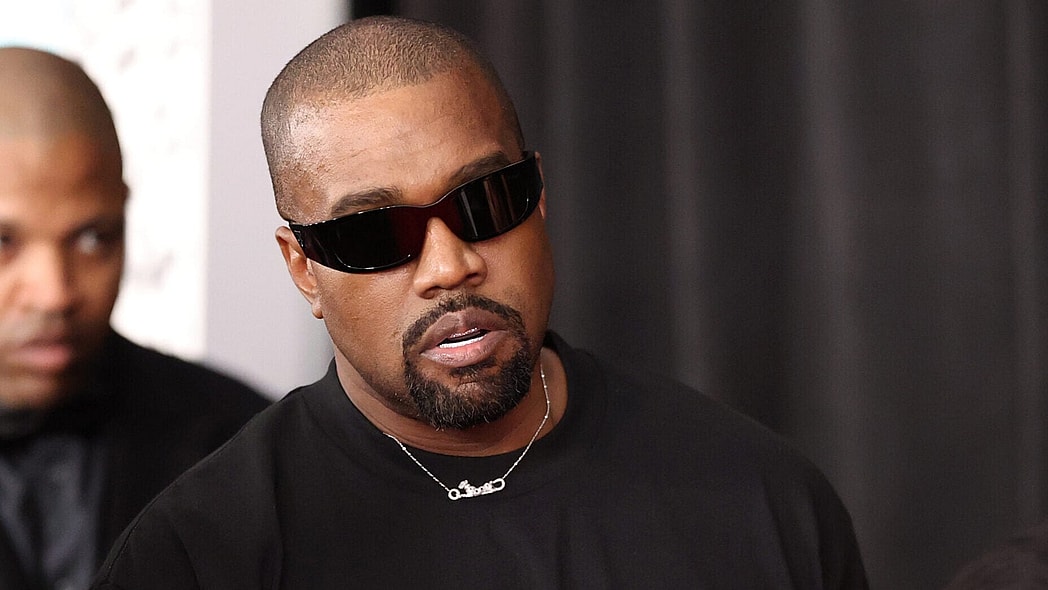
Ye, the artist formally known as, Kanye West says he has been grappling with mental health complications stemming from his near-fatal car accident nearly 25 years ago, and he’s apologizing for the way he says it fueled his recent toxic behavior.
The 48-year-old rapper took out a full-page ad in The Wall Street Journal on Monday, Jan. 26, publishing a nearly 750-word letter, titled “To Those I’ve Hurt,” in which he apologizes for his past antisemitic remarks, thanks the Black community and reflects on what he says is a bipolar I diagnosis tied to alleged frontal lobe damage from the crash.
On Oct. 23, 2002, after leaving a California studio session where he had been producing for several artists, including the Black Eyed Peas, West was involved in a serious car accident that left him with a broken jaw. Just two weeks later, he recorded his breakout track “Through the Wire” with his jaw still wired shut, which later appeared on his 2004 debut album, “The College Dropout.”
He wrote that medical attention at the time focused primarily on his fractured jaw.
“The deeper injury, the one inside my skull, went unnoticed,” he said.
West described the lack of scans and limited neurological exams as a “medical oversight,” adding that he was not properly diagnosed until 2023. He said bipolar I disorder, which involves extreme shifts in mood, energy, and thinking, and can cause mania and depression, is especially dangerous because of the denial that can accompany it.
“The scariest thing about this disorder is how persuasive it is when it tells you: You don’t need help,” he wrote. “It makes you blind, but convinced you have insight. You feel powerful, certain, unstoppable.”
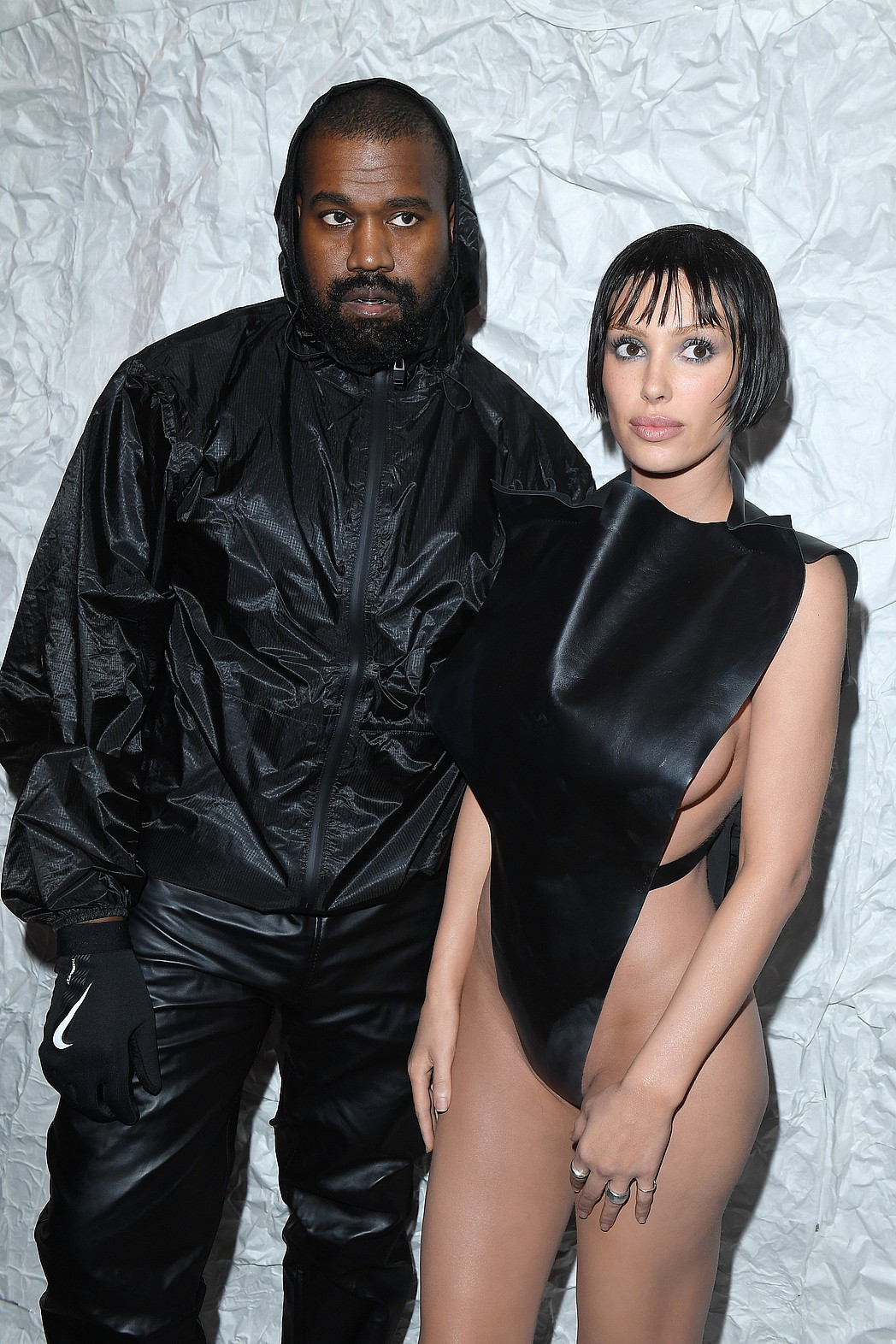
He said he lost touch with reality to the point of becoming “unrecognizable” and “destroyed” his life. Last year, one that saw Ye involved in a series of high-profile incidents—including antisemitic social media rants and declaring himself a Nazi—left West “mortified,” and was a period he described as a months-long manic episode marked by psychosis, paranoia, and impulsive behavior.
“I regret and am deeply mortified by my actions in that state, and am committed to accountability, treatment, and meaningful change. It does not excuse what I did though. I am not a Nazi or an antisemite. I love Jewish people,” he wrote.
Addressing the Black community directly, he added, “To the Black community — which held me down through all of the highs and lows and the darkest of times. The Black community is, unquestionably, the foundation of who I am. I am so sorry to have let you down. I love us.”
West, who released “Donda 2” last year, said encouragement from his wife, Bianca Censori, helped push him to seek treatment, and that he also found comfort reading about others’ experiences online. He’s focused today on reestablishing his baseline and developing an effective regimen. While he says he is not seeking sympathy, he is asking for patience.
“I’m not asking for sympathy or a free pass, though I aspire to earn your forgiveness. I write today simply to ask for your patience and understanding as I find my way home,” he concluded.
