
At a time when major retailers are scaling back DEI commitments and Black-owned brands are disappearing from store shelves, DEI and Black entrepreneurship were celebrated in full force this weekend.
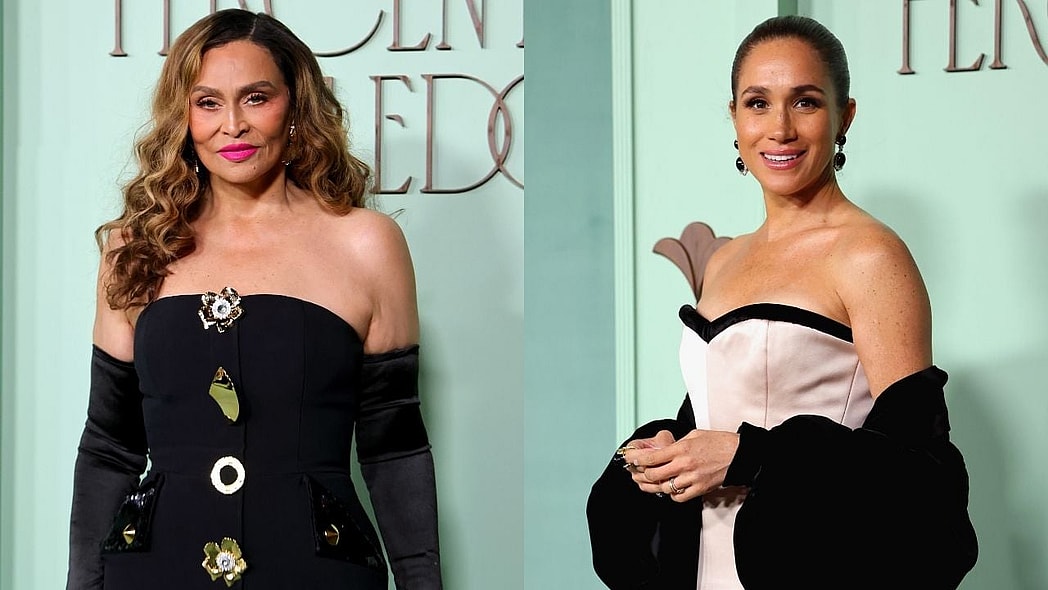
The annual Fifteen Percent Pledge’s fundraising gala, known for its signature “Black tie, Black designer” dress code, took place Saturday, Feb. 7, at Paramount Studios in Los Angeles, drawing a star-studded crowd that included Tina Knowles, Kelly Rowland, Meghan Markle, Danessa Myricks, and more.
Knowles, who walked the carpet in a custom black column gown by Charles Harbison accented with abstract-shaped buttons and matching opera gloves, was honored with the Trailblazer Award. Rowland, who arrived later in a plunging black gown, presented Knowles with the honor.
“I want to thank Aurora James for starting this organization and for honoring me,” Knowles said during her acceptance speech, according to People magazine. “And I also want to thank each and every one of you in the audience who has had the courage to persevere and to put your heart and soul into your business. It is not an easy task.”
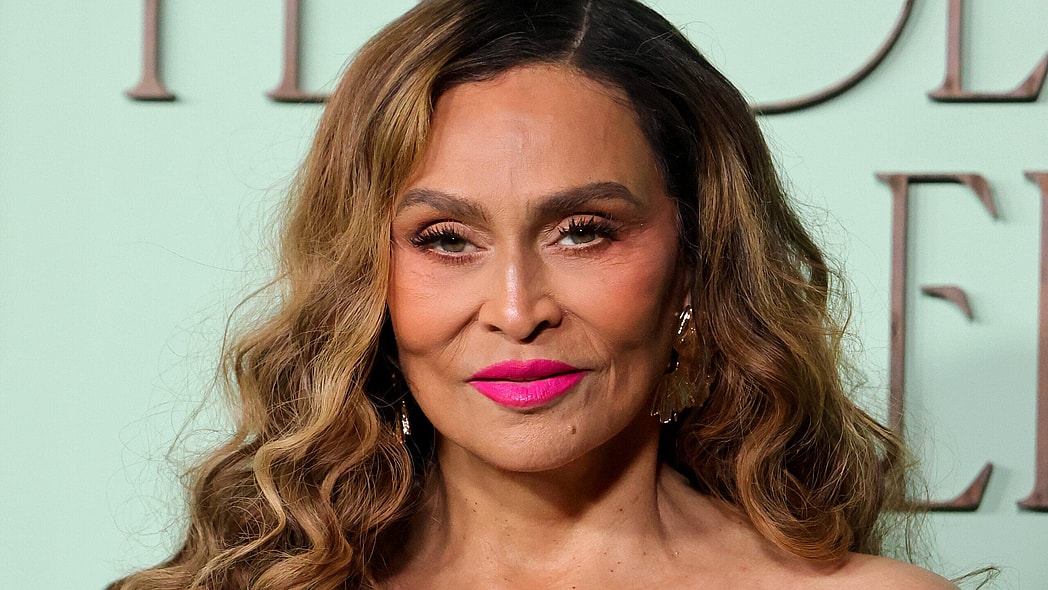
The 72-year-old businesswoman, fashion designer, and philanthropist was recognized in part for her expansive career, which includes running a hair salon in Texas before helping launch her daughters’ music careers and famously designing many of Destiny’s Child’s early costumes.
“You have to have tenacity and drive and be a self-starter,” she continued. “I know how it feels to be the CEO one day, and the delivery person — and sometimes the cleaning crew — the next. It takes a very special kind of person to do this. Looking out at this audience, I want to thank you for making me, a 72-year-old Black woman who’s been where you are, very proud.”
Launched in 2020 by James, the Fifteen Percent Pledge called on major retailers to dedicate at least 15% of their shelf space to Black-owned businesses — a direct response to generations of exclusion and chronic underinvestment. Since then, the initiative has evolved into a broader support system for founders, offering grants, mentorship, retail partnerships and educational programming.
Today, the organization supports more than 10,000 entrepreneurs, has expanded its grant and business education efforts, and recently introduced an AI training initiative aimed at ensuring Black founders are not left behind as technology continues to reshape commerce. Its annual gala now serves as both a Black History Month kickoff and a renewed call to action, convening entrepreneurs, creatives and longtime advocates of the mission.
The weekend began with the organization’s annual Block Party at Paramount Studios, where guests shopped Black-owned brands including Brandon Blackwood, James’ own Brother Vellies, Cécred, Danessa Myricks Beauty, Harlem Candle Company, Jo Phillipe and Sami Miró Vintage.
The black-tie, black designer brought out lots of Black sartorial success, including Harbison, who, in addition to Knowles, dressed Markle, who made her red carpet appearance in a champagne-pink, Old Hollywood–inspired Qunata satin gown with a black velvet-trimmed neckline. Harbison and Markle reportedly go way back to their days in New York and had long been waiting for the right opportunity to collaborate.
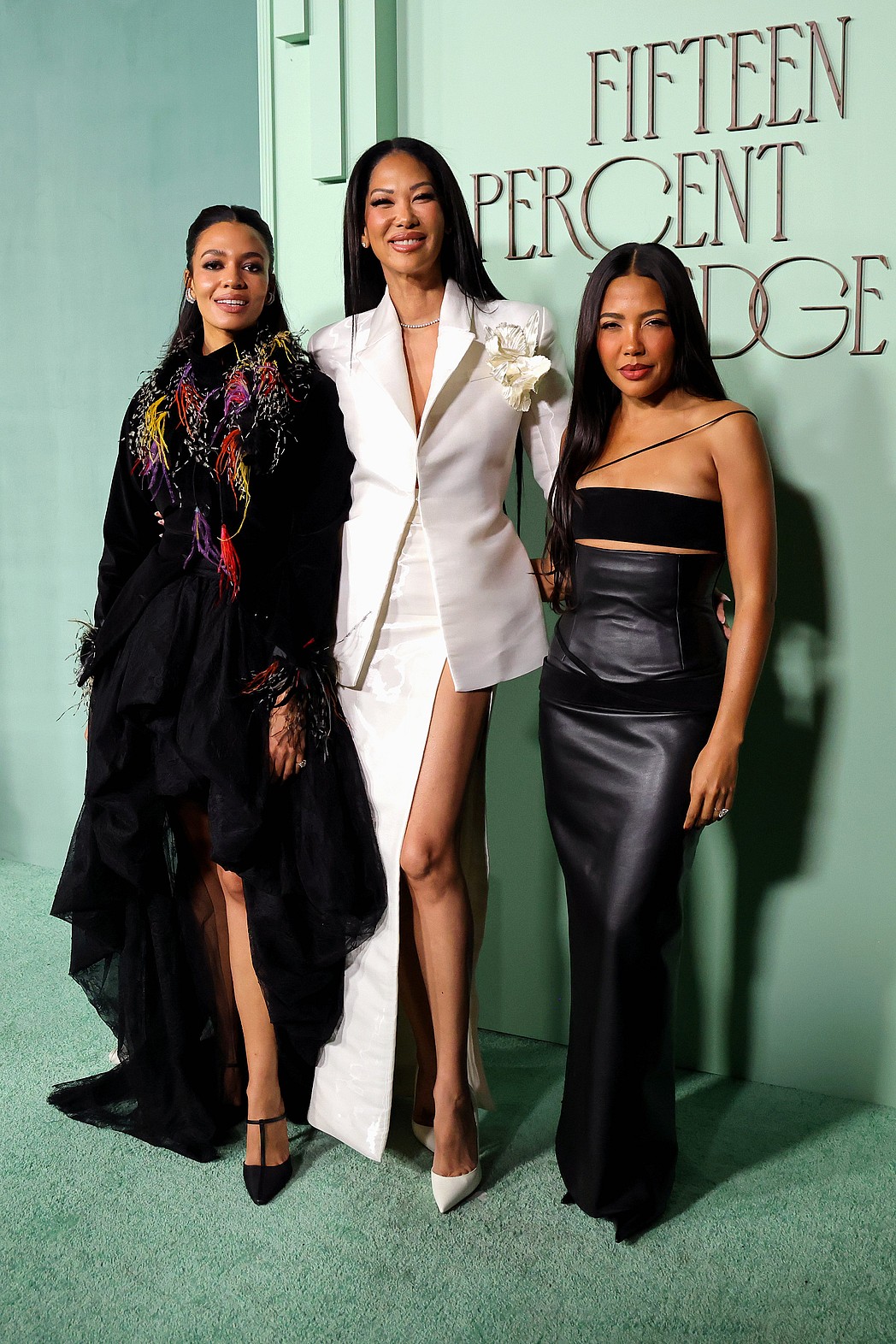
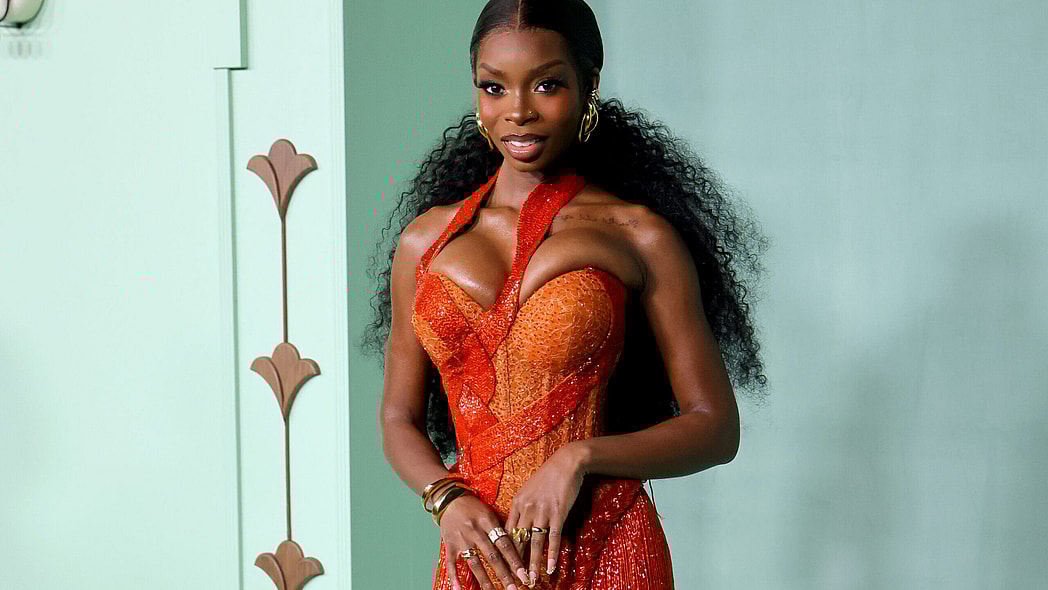
Other notables in attendance included “Love Island USA” alum and rising fashion icon, Olandria Carthen, reality TV star Taylor Hale, model Winnie Harlow, singers and actresses, Chloe Bailey and Ryan Destiny, Arya Starr, Quenlin Blackwell, stylist Law Roach, anchor Abby Phillip, Kimora Lee Simmons, founding partner of Skims and CEO of Good American, Emma Grede, and more.
Despite the current climate, James told Vogue ahead of the event how the work continues.
“We are in a very different landscape today than we were a couple of years ago,” she said. “Dozens of financial institutions, tech companies and retailers have pulled back from funding critical inclusivity work. But since launching the Pledge, we’ve helped place more than 1,000 Black-owned brands on major retail shelves nationwide, and last year alone, we distributed over $1 million in grants.”
She emphasized that the mission remains urgent.
“The push for equity on store shelves and in commerce isn’t going anywhere,” James said. “It’s not charity. It’s about making sure consumers have access to what they actually need. Even when companies step back from DEI, this kind of steady, behind-the-scenes work keeps moving forward.”
