
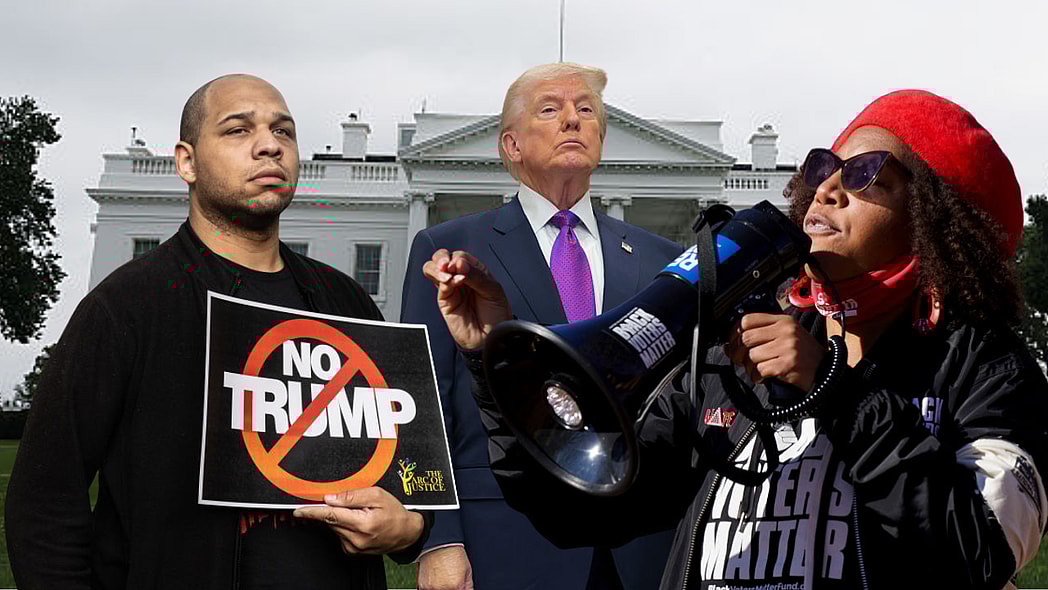
It’s no secret that most Black voters disapprove of President Donald Trump and have been harmed by his economic and anti-DEI policies. However, new polling data reveals that mobilizing them to resist the Trump administration and turn out in the 2026 midterm elections remains, well, complicated.
“What we’re seeing in this research is that in order to get them to take action, to mobilize, it requires a personal impact, and that is what we have to connect the dots on,” Terrance Woodbury, co-founder of HIT Strategies, told theGrio.
HIT Strategies, in partnership with The Black Opposition Coalition–a consortium of civil rights, voting rights and labor organizations–conducted a newly released comprehensive survey of 1,000 registered Black voters. The research initiative revealed that while Black voters say they feel the harms of the Trump administration, most especially when it comes to the economy and the need to combat racism, there are barriers to mobilizing them in future elections.
Polling and focus groups conducted by HIT Strategies show that Black voters are segmented in terms of connecting the dots directly to Trump’s policies and engaging in active resistance. The survey breaks them down into three categories: Economic Justice Defenders (30%), who are actively resisting; Economic Justice Activatables (34%), who could be mobilized to resist; and Economic Justice Spectators (24%), who are not willing to resist government actions.
Those who are resisting are doing so from a place of “privilege,” says Woodbury, telling theGrio that they are typically over 50, college graduates, and have higher incomes. Black voters who are more spectators tend to be younger and are less motivated to resist due to fear of retaliation, whether that be arrest, violence, or political retaliation at work.
Black voters want leaders to ‘fight fire with fire’
Black voters are also less likely to resist because they feel they do not see leaders effectively fighting against the Trump administration. They want to see leaders “fight fire with fire.”
“Some of it is attitudinal and stylistic, like, take the gloves off, fight fire with fire. Some of it is very instructive. Disrupt the functions of government. If you disagree with what the government is doing, then stop them from doing it,” explained Woodbury.
Examples of effective resistance from leaders have been when elected officials protested the Trump administration’s immigration policies, resulting in the indictments of U.S. Rep. LaMonica McIver, D-N.J., and Newark Mayor Ras Baraka (whose charges were dropped) during a confrontation with federal officers outside of a detention center in May 2025. In June 2025, U.S. Senator Alex Padilla, D-Calif., was handcuffed and thrown to the ground by officers when he confronted Homeland Security Secretary Kristi Noem during a press conference in June 2025.
“When [Democrats] shut down the government over Obamacare subsidies, we saw Medicaid become the top economic concern of Black voters,” Woodbury told theGrio as an example of how leaders taking some actions can activate Black voters.
The Black Opps survey found that, generally, Black voters do not believe any categorized group of leadership is resisting enough, including Democrats in Congress (36%), civil rights groups (41%), Black churches (31%), Black business leaders (38%), and everyday people like them (38%).
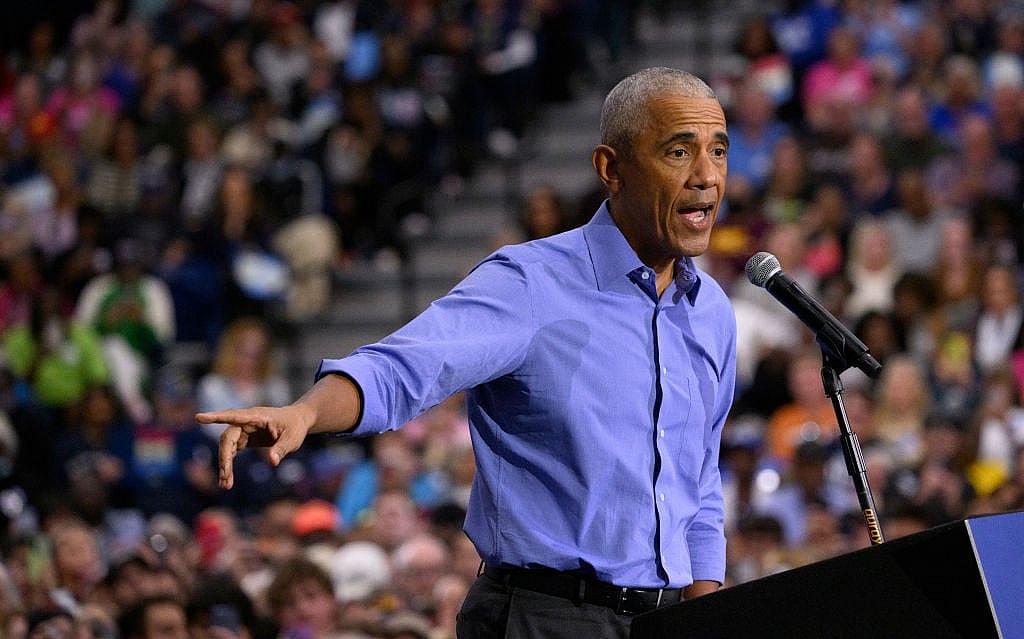
Interestingly, while former President Barack Obama‘s level of perceived active resistance, specifically, was low, America’s first Black president had the highest rate of favorability (48%) among leaders Black voters felt are “very active” in fighting government actions that harm Black communities.
“We know that Barack Obama gets the benefit of the doubt in the Black community…Black folks just expect less from him than they expect from many of these other leaders in his post-presidency,” shared Woodbury. “I think that’s part of the benefit of the doubt; like he’s done his job and now they’re expecting other people to do their job.”
Obama has been quite vocal against Trump’s second term, calling out the president’s deployment of military troops to American cities, immigration policies, and calls to gerrymander election maps, among other actions.
“I often look to what Barack Obama says when he does speak out against these things, and he has a tendency of doing so in a way that I think just breaks through,” said Woodbury. “When Barack Obama speaks, Black folks hear him, which is why I think there’s an opportunity for him to continue to speak even more.”
The power of messaging for Black voters
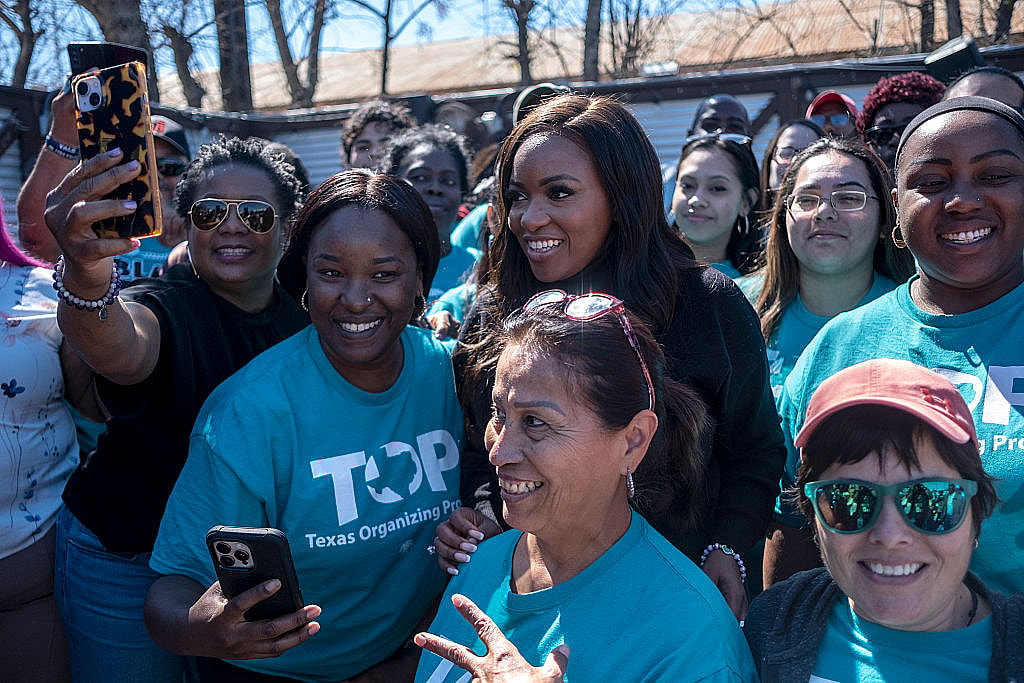
Who is messaging Black voters, and how they are messaging, can be critical for mobilizing them to protest and show up at the ballot box, the Black Opps research shows. The survey reveals five key messaging tactics that would be effective at motivating Black Americans to vote, which include: (1) naming harmful government actions and policies, and how they specifically impact the Black community; (2) providing examples of collective resistance and actions, and how they resulted in meaningful progress; (3) describing the things that they are willing to fight for; (4) inoculating the barriers, including risk of arrest, violence, or professional harm; and (5) reducing the risk and burden of the call to action, according to their level of resistance urgency.
“When it’s messaged effectively, these five elements of mobilization message, and when they’re delivered by compelling messengers that share these voters’ lived experience…it does, in fact, increase their likelihood to take all of these actions,” said Woodbury, who shared that such messaging increases Black voters’ likelihood to protest by 10% and boycott by 7%.
What’s more, among young Black men, who have become swing voters within the Black community — evidenced by their marginal support for Trump in the 2024 election — these five key messaging tactics increase their likelihood of voting by 10%.
The survey tested different AI-generated personas and found that the most impactful messenger was not an elected official or a civil rights elder, but a “young Black millennial father.” Because this messenger shared a lived experience with many Black voters identified as “spectators,” his story about how specific policies—like tariffs or Medicaid cuts removing his children from the CHIP program—personally affected his family resonated deeply.
Woodbury, who worked with Jasmine Crockett’s U.S. Senate campaign, said the U.S. congresswoman is another example of the kind of fight Black voters want to see from leaders.
“We do see this kind of messaging being delivered by candidates like Jasmine Crockett, who are doing exactly what these voters are saying they want to see leaders doing,” he told theGrio.
As Crockett’s primary election nears on Tuesday, he added, “What we see Black voters doing in early voting seems to confirm this theory that when we fight fire with fire, when we take the gloves off, that Black folks show up and fight with you.”
