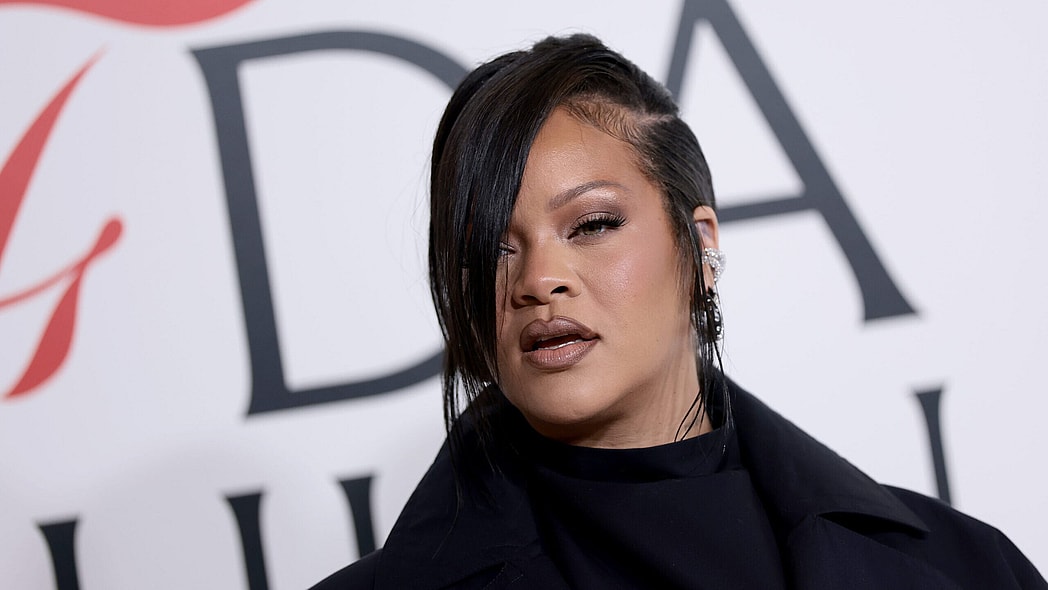
Rihanna’s house in Beverly Hills was shot at multiple times by a woman using an AR-15 on Sunday afternoon, and by Monday morning — without many details about what actually happened — the internet was already convinced it was the work of a crazed fan.
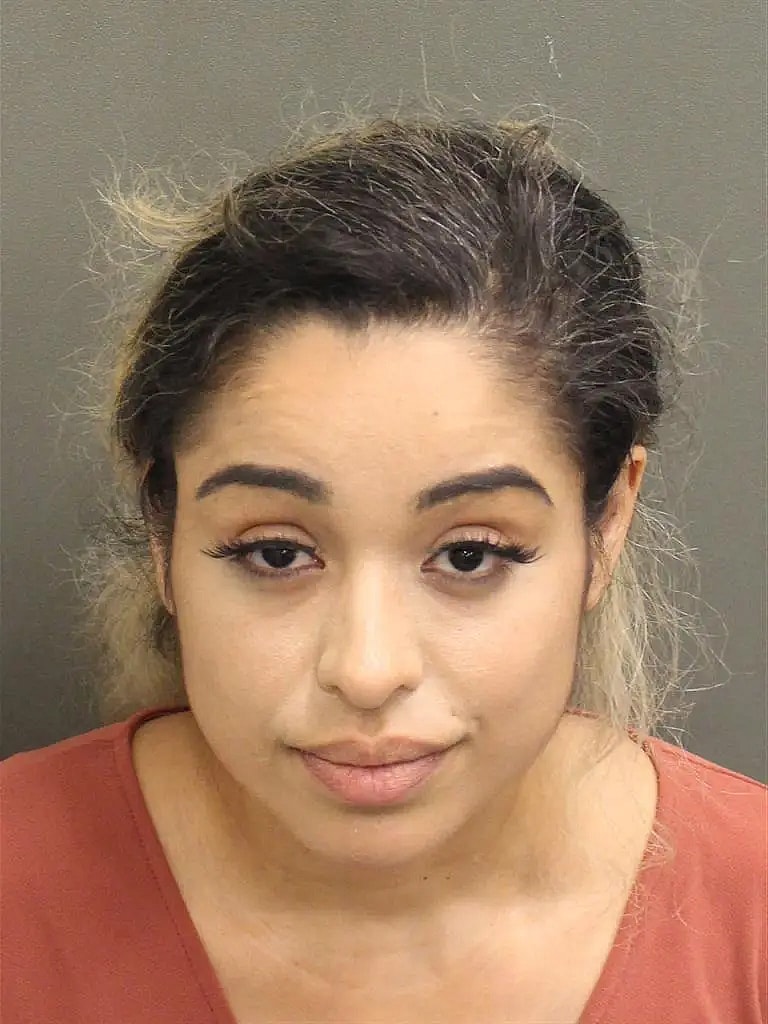
After police confirmed on Sunday, March 8, that they had a 35-year-old woman in custody after she allegedly fired seven shots at the 37-year-old music mogul’s home from a white Tesla before driving away, theories about what could have led up to the incident quickly began circulating online. Among the most common: that the suspect must have been an obsessed fan pushed to the worst possible extreme.
“Pulled up to Rihanna’s house with a rifle,” one user wrote on Threads. “Nah… some people don’t understand the line between being a fan and being dangerous.”
Another user on X said, “Now this… woah. glad she’s okay. the parasocial behavior is turning dark right now.”
“People are losing their damn minds and people are too parasocial,” another user on the same platform wrote while resharing the news. “It’s SCARY AF these days!!”
Posts like these, and more, including alleged past comments to Rihanna from the shooter, have been easy to find in the hours since the news broke — and the reaction itself isn’t entirely surprising.
In the modern era of celebrity culture, fandom has reached a level of intensity that previous generations simply never experienced. Much of that shift can be traced to the unprecedented access fans now have to the stars they admire.
Through social media alone, fans can spend their days following along with nearly any celebrity they want — whether through a star’s own posts or through paparazzi photos and viral clips circulating online. Artists like Cardi B regularly hop onto X Spaces to chat with followers as if they’re on the phone with friends, while others livestream themselves hanging out at home or sharing casual moments from their daily lives.
At the same time, the speed at which everyday people can build large online audiences has blurred the once-clear line between celebrity and non-celebrity. With internet fame now seemingly within reach for anyone with a viral moment, some fans feel both unusually close to celebrities and strangely on their level.
The result is a culture where admiration can sometimes tip into entitlement — or even obsession.
Artists being stalked by fans is far from new. Some of the most infamous cases still loom large in pop culture memory, including the tragic killing of Tejano star Selena by Yolanda Saldívar in 1995.
Even Rihanna herself has dealt with troubling encounters before. In 2018, a man broke into the singer’s Hollywood Hills home and reportedly spent nearly an entire day inside the property waiting for her before he was discovered by her assistant and arrested.
At the same time, celebrity safety has become an increasing concern in Los Angeles in recent years. A string of high-profile break-ins targeting luxury homes across the city has heightened anxiety around how easily public figures’ addresses and personal information can circulate online.
For now, however, authorities have not confirmed a motive in Sunday’s shooting.
On Monday, March 9, the Los Angeles Police Department identified the suspect as 35-year-old Ivana Lisette Ortiz. She has been booked on suspicion of attempted murder and is being held on $10.225 million bail.