
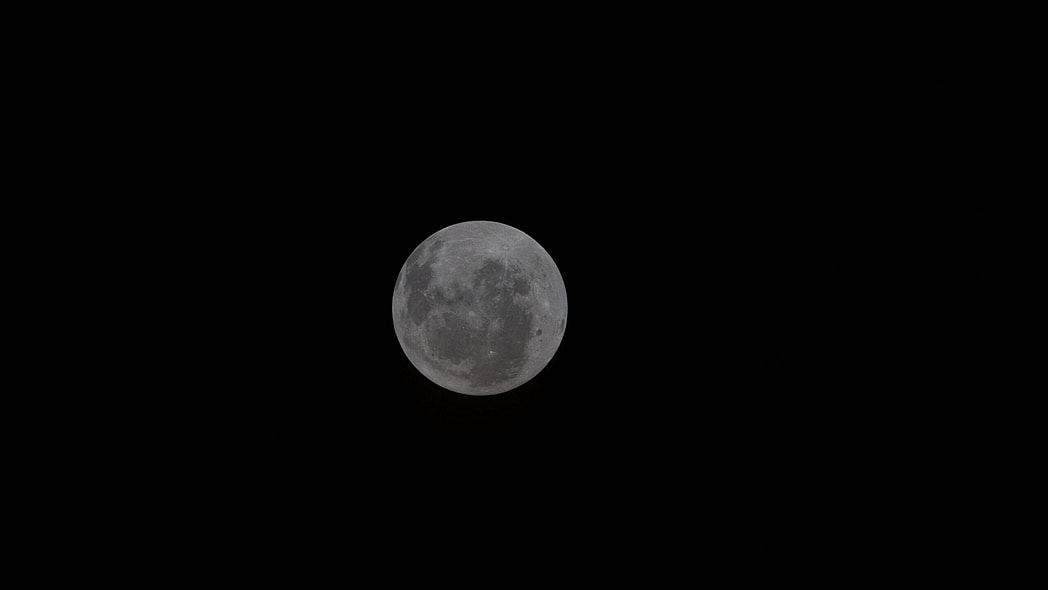
Astronauts aboard Artemis II are preparing for a historic lunar flyby that will give them a rare look at parts of the moon no human has ever directly observed.
According to reporting by CNN, the four-person crew, including Reid Wiseman, Victor Glover, Christina Koch, and Jeremy Hansen will pass within about 4,000 miles of the moon, allowing them to study both its near and far sides during the mission.
While previous missions like the Apollo program orbited closer to the lunar surface, their flight paths and lighting conditions limited what astronauts could actually see. Artemis II’s trajectory offers a wider, more complete view of the moon, including areas that are usually hidden from Earth.
One key feature already identified is the massive Orientale Basin, a 600-mile-wide impact crater located along the boundary between the near and far sides. Although it has been photographed by robotic missions, scientists say this is the first time humans are observing it directly during a flyby.
NASA officials say the mission is not just about visuals, but also about human observation. Even at a greater distance, astronauts can detect subtle color and texture differences that may not be as obvious in automated images. These observations could help scientists better understand the moon’s geological history, including why the near side shows signs of ancient volcanic activity while the far side appears more rugged and less active.
The crew will spend several hours documenting what they see, using high-powered cameras and real-time descriptions sent back to mission control. Researchers are particularly interested in how changing light angles during the flyby could reveal new details about the moon’s surface.
Unlike earlier missions, Artemis II will not land on the moon. Instead, it serves as a critical step in NASA’s broader plan to return humans to the lunar surface in future missions.
For now, scientists say even this brief flyby could unlock new clues about the moon’s origins and, by extension, the early history of Earth itself.
