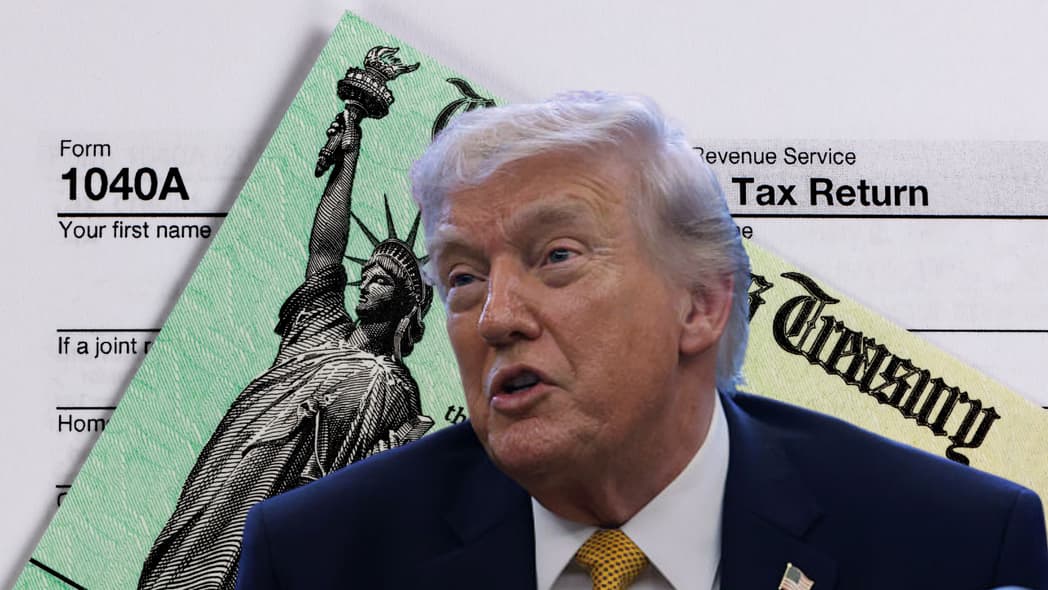
The Trump administration is touting President Donald Trump‘s “One Big Beautiful Bill Act (OBBBA)” this tax season, highlighting its impact on this year’s filings.
“President Donald J. Trump’s Working Families Tax Cuts are delivering real relief — putting more money back in the pockets of hardworking parents, strengthening families, protecting seniors, and helping build a brighter future for the next generation,” the White House said ahead of Trump’s visit to Las Vegas, Nevada, to promote his tax agenda.
But while the White House has framed President Trump’s changes to the U.S. tax code as a major win for working families, data shows that Black Americans, and a majority of Americans who need tax relief the most, won’t actually see much of the savings touted by the administration.
A new report by the Center for American Progress notes that, despite the Trump administration’s claim that the average American taxpayer would see a $1,000 increase in tax refunds, the average refund was up only $346 from last year. The data was based on an analysis of weekly IRS reports.
President Trump, administration officials, and Republicans in Congress have tried to brand the “One Big Beautiful Bill Act” as a major middle-class tax cut. But the devil is in the details. Tax policy experts and analysts note that the tax and budget law will disproportionately benefit corporations and the wealthiest Americans. And with Black Americans representing only 4.7% of all U.S. wealth, according to the U.S. Census, they are far less likely to see those benefits.
The nonpartisan Congressional Budget Office (CBO) and Joint Committee on Taxation (JCT) estimate that Trump’s tax cuts will save nearly $15,000 per year per household for the richest 10% of Americans and more than $50,000 per year for the richest 1% of Americans. What’s worse, the nation’s poorest Americans, who are disproportionately Black (20% despite making up only 13% of the population), will see lower or no tax cuts under Trump’s tax agenda.
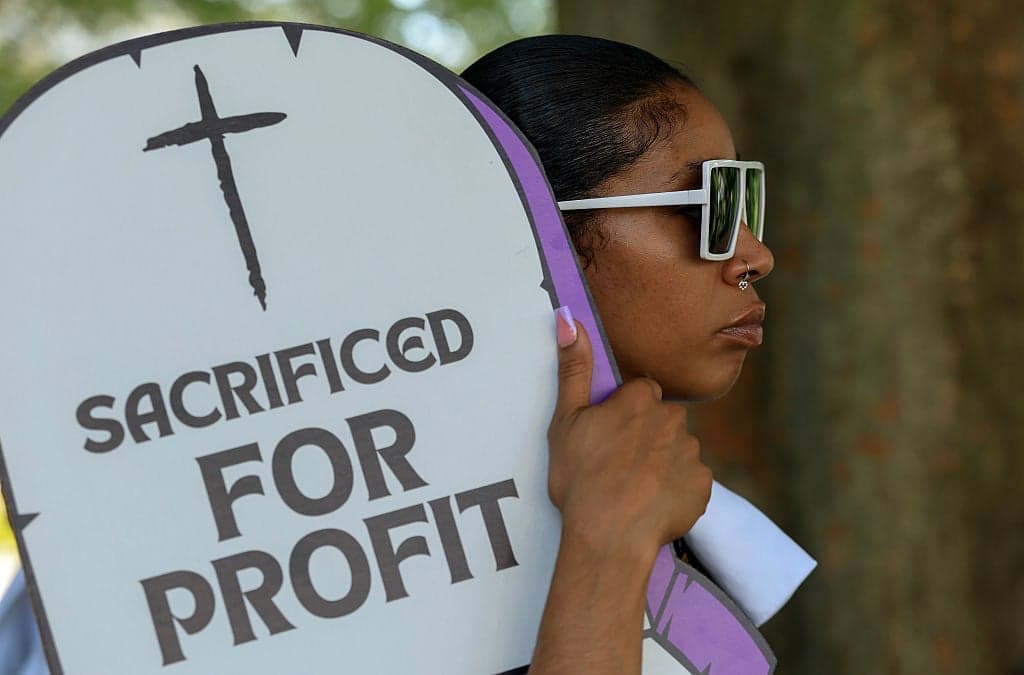
The Joint Center for Political and Economic Studies provides a closer look at how Trump’s tax law will impact Black households. Given the OBBBA’s historic cuts to social services like Medicaid and food assistance through SNAP, and Obamacare subsidies in order to offset the cost of Trump’s $4 trillion tax cuts for the mostly rich and well-off, Black households are “most likely to rely on the slashed programs and least likely to have the resources to manage the increased tax burden.” The Joint Center estimates that millions of Black American families, or 47% of Black children, will not receive the full tax credit.
Experts note that even alluring provisions in the OBBBA, like “No Tax on Tips” — which one-third of tipped workers won’t benefit from because they earn too little — don’t make up for the thousands of dollars in lost health care and food costs. Not to mention, Americans are also experiencing higher gas and energy prices as Trump’s war in Iran is exacerbating inflation costs.
The Joint Center also reports that federal cuts will ultimately drive state and local governments to raise taxes or cut critical services.
“These sources include sales and excise taxes on everyday goods and services, flat fees for utilities, licensing, and transit, and fines and fees from courts, traffic enforcement, and code violations. Often, these taxes are concentrated in lower-income and disproportionately African American communities, which are more likely to be overpoliced and face code and traffic enforcement,” says the report.
It continues, “These fines and fees serve as a hidden tax on African American work and daily life. As states lean more on fines and fees to close budget gaps, effectively they are taxing consumption and work, instead of wealth. This lands hardest on Black communities and widens affordability gaps.”
Ultimately, the Joint Center report notes, Trump’s “high-end” tax cuts, cuts to anti-poverty credits, and their cascading economic impacts will “deepen a Black affordability crisis and widen the Black-white wealth divide.”
