
How can we solve the Black maternal health crisis if we can’t say the word “Black”?
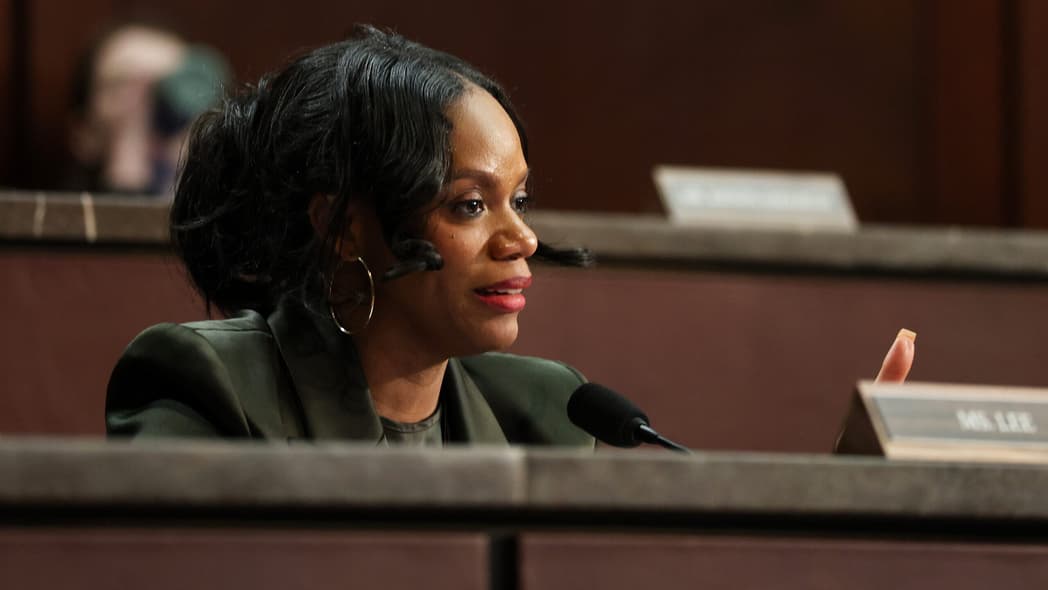
That question went from rhetorical to real on Friday, April 17, when Rep. Summer Lee asked it outright during a committee hearing with the U.S. Health and Human Services Secretary Robert F. Kennedy Jr.
“Your agency told programs to remove a list of nearly 200 words and phrases from their funding applications, including the word ‘Black.’ Do you have an idea of how we could solve the Black maternal mortality crisis if we can’t say ‘Black?’” she asked as she grilled him intensely on the matter.
During the exchange, which came at the close of another annual Black Maternal Health Week, the Democratic congresswoman laid out the stakes. She explained that Black women are at least three times more likely to die from pregnancy-related causes than white women and that most of those deaths are preventable, while also sounding the alarm about proposed cuts to key maternal health programs and how the rollback of diversity, equity, and inclusion efforts is impacting Black maternal health.
Kennedy attempted to push back, but when pressed on disparities, he largely pivoted to general maternal health, citing overall improvements and claiming the administration had done more than its predecessors. He downplayed his past claims about Tylenol during pregnancy, saying he “doubted” avoiding it would significantly affect Black maternal deaths.
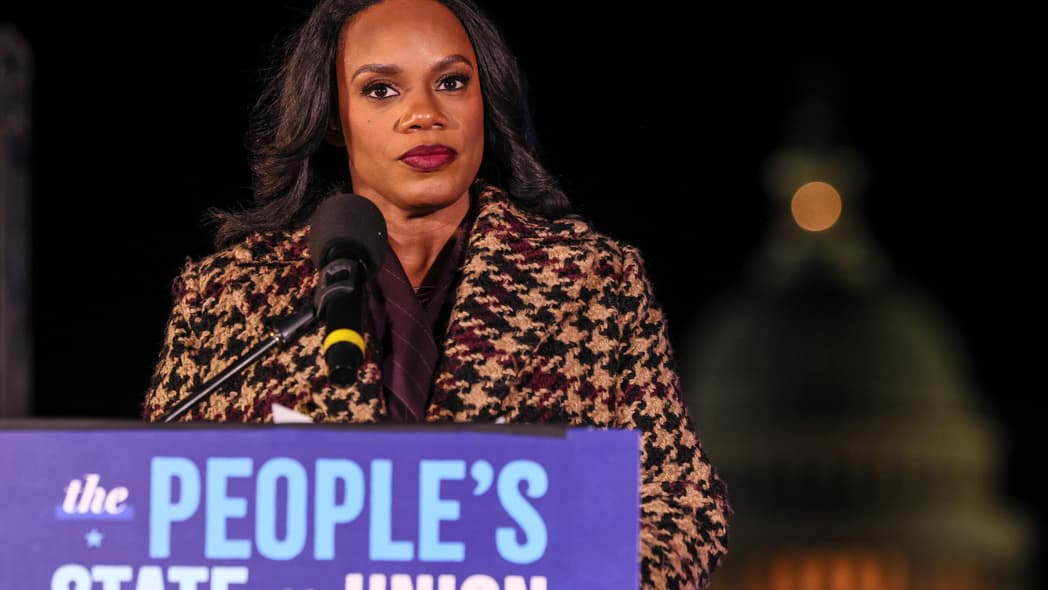
In addition to facing mortality rates three to four times higher than any other demographic, Black women in the United States also face disproportionately high rates of complications like preeclampsia and emergency C-sections. Those disparities are all the result of longstanding gaps in access to care, medical bias, and systemic inequities—and in recent years, the landscape has only grown more precarious.
The fallout from Dobbs v. Jackson Women’s Health Organization in 2022, which saw an end to Roe v. Wade and protections for abortions in this country, has complicated pregnancy care nationwide, while the rollback of DEI initiatives has put funding for targeted programs at risk. Doulas, often cited as critical support for improving outcomes, are also navigating increasingly restrictive policies.
Since the Pennsylvania representative’s remarks began circulating online, many responses, including those from non-Black content creators, have highlighted that addressing the needs of those most at risk improves outcomes across the board. The idea that targeted solutions exclude others misunderstands how public health works.
If a table is wobbly, you can adjust everything around it, but it won’t be steady until you fix the leg that’s most off balance.
During the hearing, Lee ultimately said, “We can improve healthcare for everybody at the same time as helping the people who are most likely to die.”
