

Since the launch of the suicide hotline number 988 in 2022, suicide rates have declined for young people in the United States, including Black youth. The trend, however, remains complex.
New data published in JAMA as a research letter found that between 2022 and 2024, the rate of suicides among young people roughly ages 15 to 34 declined overall by 11%. Researchers linked the drop, which amounted to more than 4,000 fewer deaths, to the rollout of 988, particularly in regions where a higher volume of calls was answered.
“What our study has added is evidence for the deeper benefit of the program, and that is, that at the population level, among young people at least, suicide mortality is lower than it would have been without the program,” Dr. Vishal Patel, a resident physician at Brigham and Women’s Hospital and one of the authors of the study told the New York Times.
The findings also reinforce recent data from the Centers for Disease Control and Prevention, which also shows declines among young people, including teens of color. Looking closer at the data, the JED Foundation found significant overall declines among non-Hispanic American Indian and Alaska Native, white, and Asian youth ages 10 to 24, as well as among Black teens ages 15 to 19.
The decline is especially noteworthy given how earlier data linking the pandemic era to sharp increases in suicide-related burdens among younger children, Black youth, and gender-diverse young people. But even as the new data is hopeful, it arrived at a time when mental health continues to be a complex crisis in this country, and rates for suicide still remain alarmingly high nationwide.
While suicide rates are still among the highest for indigenous men and white men, particularly middle-aged and older adults, the rise among Black Americans in recent years has started to narrow long-standing racial gaps at a troubling pace. After homicide and accidental injuries, suicide is now the third leading cause of death for Black youth. According to the CDC, Black youth ages 10 to 24 die by suicide at a rate of 11.2 per 100,000. The concern is not only the number itself, but how quickly it has increased.
Leading risk factors, according to Nationwide Children’s Hospital, include a history of mental health conditions such as depression, prior self-harm, recent or ongoing psychiatric care, brain injury, exposure to violence, family conflict, foster care involvement, disability, and living in socially or economically vulnerable environments.
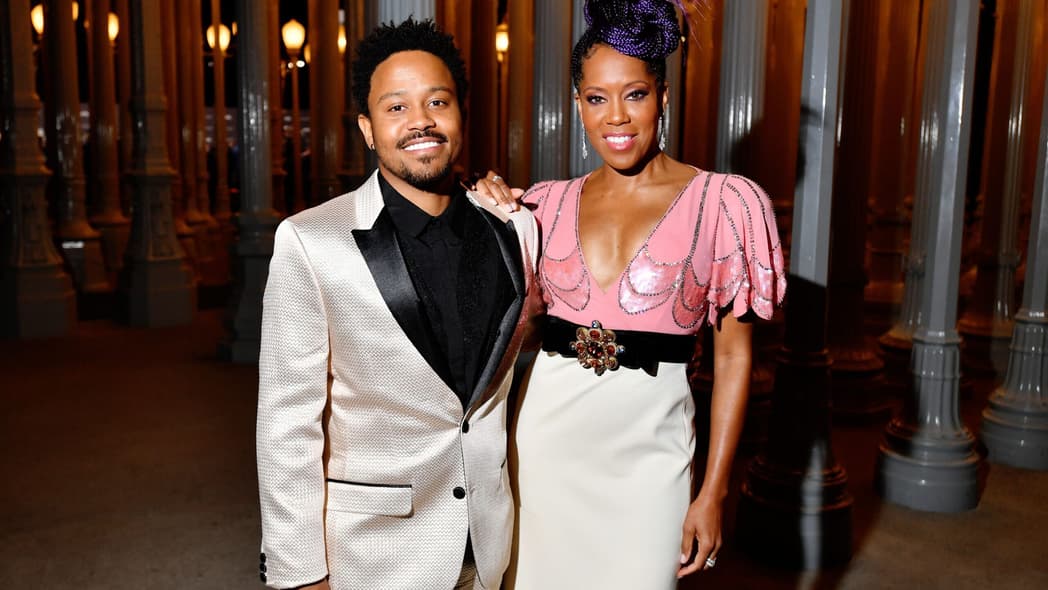
Suicide, however, can impact anyone. High-profile cases in recent years underscore that reality, including son of actress Regina King, Ian Alexander Jr., who died at 26 in January 2022; former Miss USA winner and TV correspondent Cheslie Kryst, who died at 30 that same year after a long and fraught battle with depression; and Isabella “Izzy” Tichenor, a 10-year-old autistic child in Utah whose family said she faced persistent bullying before her death in 2021.
Experts say the recent decline offers important clues about what is working. Expanded access to crisis support through 988 has played a key role, alongside increased awareness of mental health and increased help-seeking behavior, including a rise in therapy among young people. Research and guidance from groups like the JED Foundation emphasize that sustained progress will require culturally competent care, more early intervention in schools and communities, and targeted outreach for groups at higher risk, including Black youth.
They also point to the importance of reducing access to lethal means, particularly firearms, which are involved in roughly half of all youth suicides, as well as strengthening community-based mental health systems that address trauma, violence exposure, and structural inequities. The early success of 988 suggests that accessible, responsive, and culturally aware crisis care can make a measurable difference.
If you or someone you know is struggling with thoughts of suicide, call or text 988, the Suicide and Crisis Lifeline, or chat via 988lifeline.org. For culturally competent, non-urgent mental health support, visit TherapyForBlackGirls.com for further resources.
