
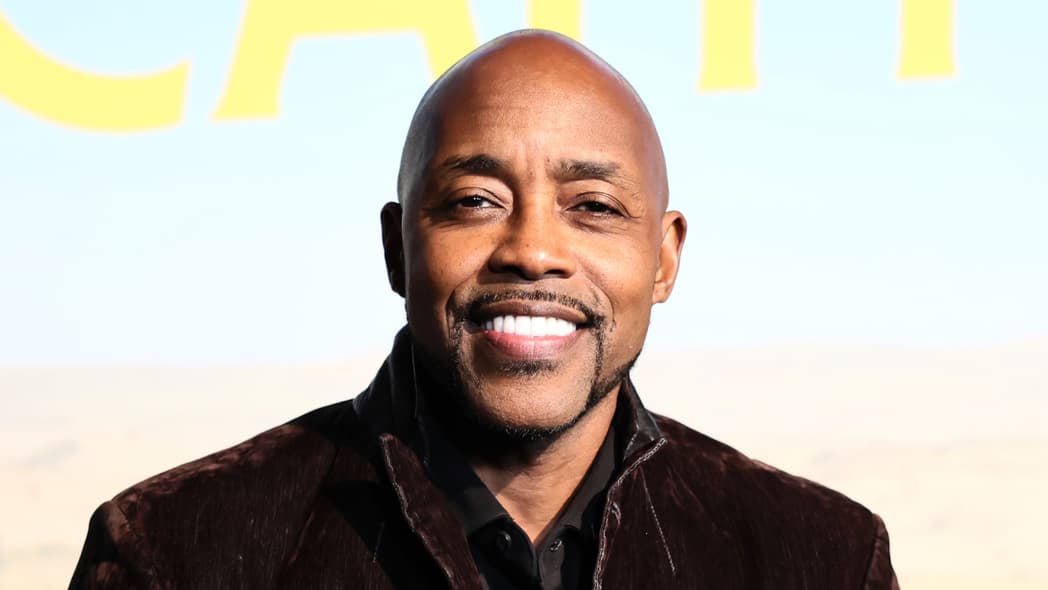
As a producer, Will Packer has broken Hollywood. To date, the Florida A&M alum’s films have grossed over a billion dollars, placing him in a distinct category not just among Black film producers but among film producers in general. However, Packer readily admits that his success and its celebration wouldn’t feel as paramount or as large if he didn’t come from a historically Black College and University.
In a recent sit-down on “The Pivot” podcast, Packer expanded on the idea when asked about the improvements the university has made in facilities and defended the campus as tight-knit, especially around homecoming.
“The camaraderie is different,” Packer began his explanation to Ryan Clark & Co about how students and other FAMU alums celebrated their own around the 9-minute mark. “The ownership is different on a Black college campus, where you don’t have the preponderance of alumni that have done things all over the world.”
“Those of us that have been high-profile coming out of an HBCU are celebrated in a different way because it’s just special. It hits different.”
Packer’s bona fides are well known in Hollywood, as is his philanthropy to give back to the school that routinely served as the true place to be for students and notable athletes, namely those that played at neighboring Florida State.
“We always had to hold our own because Florida State was always a much bigger school,” Packer explained. “We had to get it out the mud. Everybody came to Tallahassee to see what was going on with FAMU. Ask anybody who played at Florida State. They weren’t hanging out over there.”
For Packer, whose most recent film, “You, Me & Tuscany,” earned a significant push from Black creators who argued that its success is necessary for more films of its ilk to be made, FAMU means everything. It’s in the same vein as former NBA star J.R. Smith, who is set to graduate from North Carolina A&T, or any number of HBCU grads who will readily champion the community they fostered while on campus and how that community set them up for the future.
Those same alumni have been among the loudest men and women who championed protests at their alma maters and made their voices heard when things seemed out of order. Whether it be schools like Howard or South Carolina State, students know alumni will have their backs on pressing matters, even if those matters involve the Lt. Governor.
As commencement speeches and graduations get underway across the country, Packer’s championing of HBCUs rings loud because he understands the celebrations and pride are loud. The UNCF refers to it as the “HBCU Effect,” a significant dive into how peer networks help shape HBCU alumni as they enter the workforce and how the interconnectedness of merely attending an HBCU, regardless of which of the 101 HBCUs in America, highlights a shared consciousness aimed toward growth, stability, and success.
From studies highlighting improved brain health to the boisterous graduations and celebrations, Packer’s words lend extra weight to the belief in the merit of HBCUs and their impact on the global stage. Packer found his in Tallahassee. Until the last grad cap is thrown in the air in 2026, others will voice their pleasure and gratitude for their HBCUs as well.
