
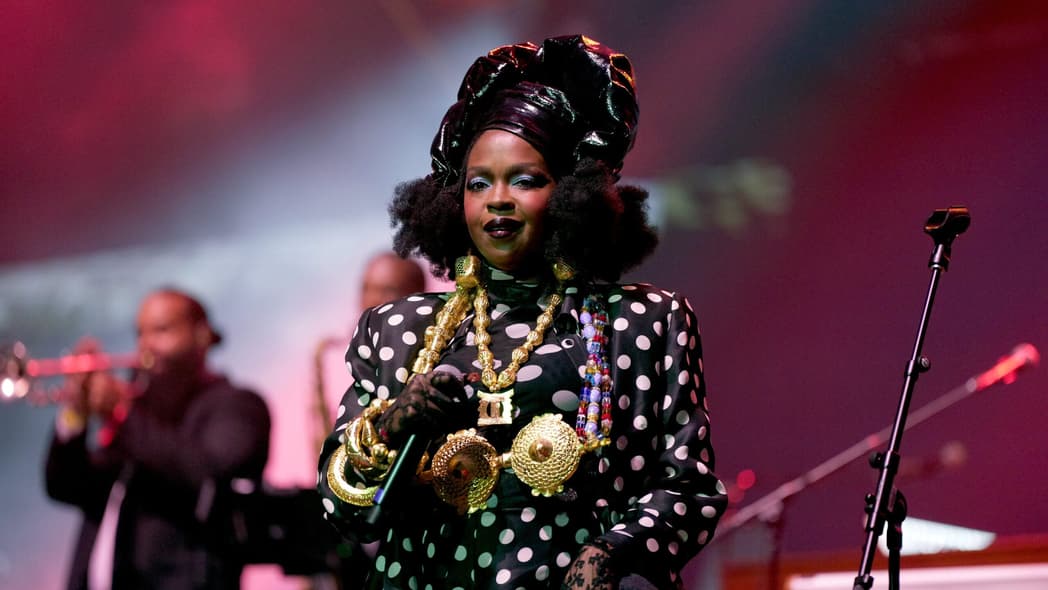
Lauryn Hill entered online discussions this week after conversations resurfaced about her absence from the traditional album cycle following the release of “The Miseducation of Lauryn Hill,” which became one of the most celebrated albums of its era and earned multiple Grammy Awards.
In her response to an Instagram post by Fraim titled “Why Lauryn Hill Never Released Another Album,” Hill first responded in the comments simply saying “I disagree” before elaborating further on her belief that the public often overlooks the emotional exhaustion and lack of safety artists experience while trying to create meaningful work within an industry driven by profit. She argued that neither “The Score” nor “The Miseducation” were projects that were easily accepted by the music business, saying “we fought for every inch.”
Lauryn Hill never released another album, consequently addressing how commercial success can change the relationship between art and the industry, writing that “wild success can cause greed that begins to denigrate art for the money.”
The singer and songwriter said creativity requires freedom, experimentation, and room for artists to evolve, adding that many conversations about her career lack nuance. She pointed to the mixed reception surrounding “MTV Unplugged No. 2.0,” which was criticized heavily at the time of its release but has since gained appreciation from listeners who view it as emotionally raw and spiritually honest.
Lauryn Hill further compared herself in some respects to Harriet Tubman, saying she felt she was “running to speak difficult truths to power before certain forces tried to close those doors.”
Her comments have reignited broader conversations online about burnout, exploitation, and the pressures Black artists face while trying to maintain authenticity inside an entertainment industry often driven by commercial expectations.
Despite releasing only one solo studio album, Hill’s influence on hip-hop, neo-soul, and contemporary R&B remains significant nearly 30 years later.
