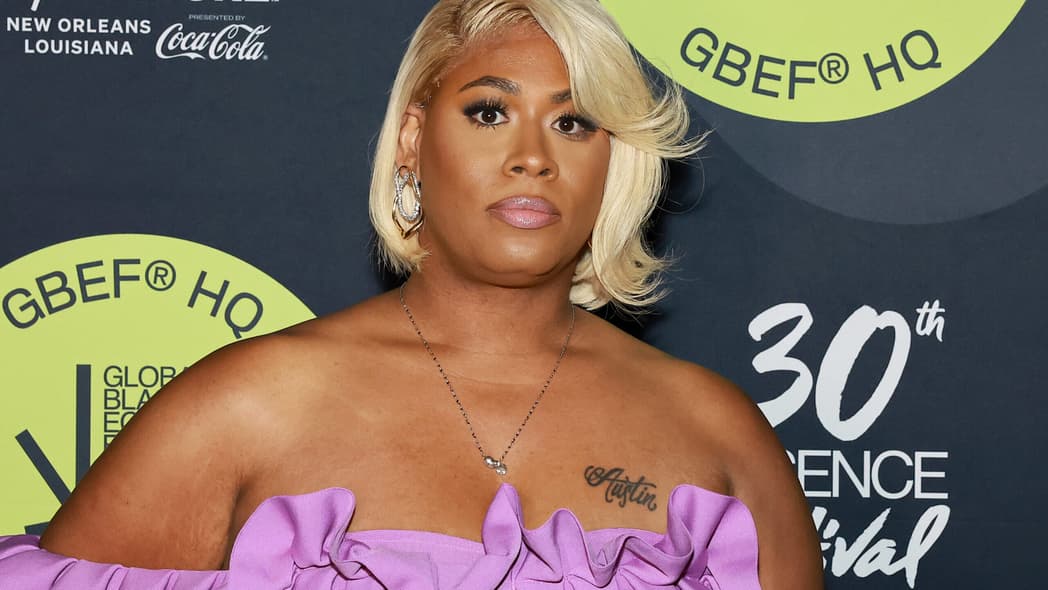
Dominique Morgan is divesting from perfection.
As someone who has always flown by the seat of her pants and somehow managed to land on her feet like a cat with nine lives, the 44-year-old trans rights activist and social media star has reached a point in her life where she is less focused on the rigidity of what perfect activism looks like and more interested in doing what feels right.
“I’ve made, and I’m making thoughtful decisions that I hope give me as much room to be as free as possible to try and engage as much as I can,” she told theGrio over Zoom on Wednesday. “But it’s kind of just really unexpected to be 44, and you know, labeled as ‘the people’s auntie.’”
The longtime LGBTQ+ advocate, nonprofit leader, and beloved online commentator whose candid, often bonnet-clad takes on life, politics, and culture have garnered her a platform of well over 375,000 across multiple platforms including TikTok and earned her that aforementioned nickname, sat down with theGrio to reflect on the unexpected new chapter she is embracing as she looks toward new creative projects and an evolving relationship with community work. Part of this new chapter, she said, involves leaning even further into the online platform she has built, something she does not take for granted as a Black trans woman.
“I know so many Black trans folks who yearn for Black community that don’t get access to it,” the nonprofit leader said before adding how fortunate she is to have both a supportive biological family and a strong network of friends and community. Finding that same embrace online has felt especially meaningful.
“Social media is a tricky beast, but it feels beautiful,” she said.
“I recognize my role in the culture,” she continued. “Not every person gets that, Black, white, or in between. You don’t get to recognize, like, ‘Oh no, this is my pocket, where my people want me at.’”
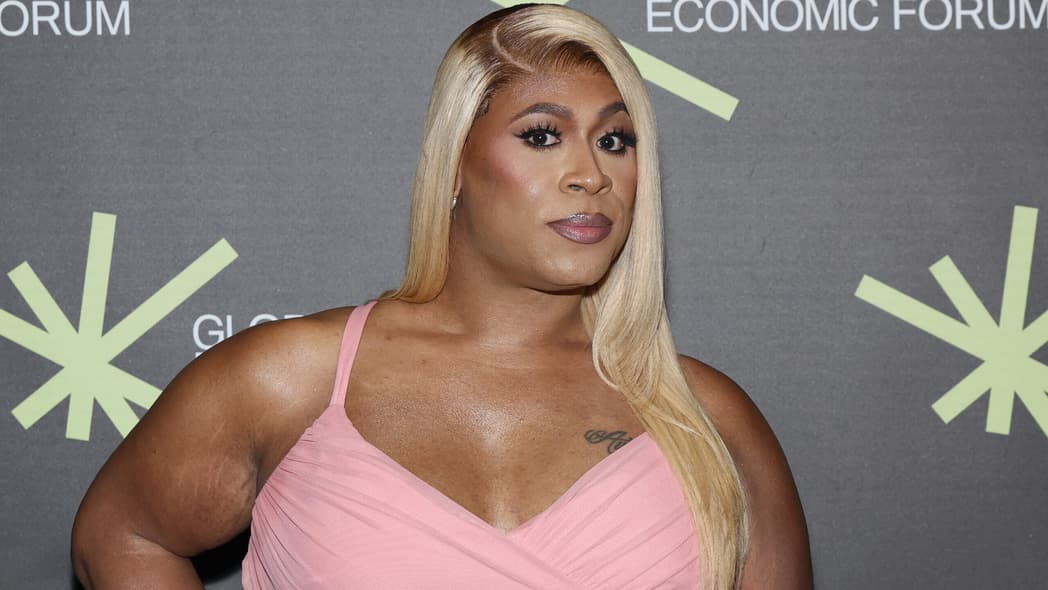
Known for her Midwest warmth and Black-auntie sass, Morgan said she nearly lost touch with that part of herself after spending years moving through high-level nonprofit leadership roles.
The online personality, who grew up in Omaha, Nebraska, built a national profile through years of advocacy for Black and LGBTQ+ communities. Her work was informed in part by her own experiences. After spending nearly a decade incarcerated beginning in her late teens, Morgan emerged with a deeper understanding of the challenges facing LGBTQ+ people impacted by the criminal legal system and began dedicating herself to advocacy work.
A former educator, she later rose through the nonprofit world, serving as executive director of Black and Pink, a national organization supporting LGBTQ+ people impacted by incarceration. During that same period, she also began her gender transition, a chapter she has often described as transformative both personally and professionally. In 2022, she later joined The Okra Project, a mutual aid organization serving Black transgender people, as director of operations before moving to Borealis Philanthropy, where she served as program director of the Fund for Trans Generations and helped oversee millions of dollars in grantmaking to trans- and nonbinary-led organizations. She also founded Starks & Whitaker Consulting and co-founded the TS Madison Starter House, an initiative focused on housing support for Black trans people.
That all came to an abrupt halt earlier this year when Morgan was indicted in New York on grand larceny and related charges stemming from allegations that she misused organizational funds while working at The Okra Project. She spent nearly 30 days in custody at Rikers Island following a hearing in April before being released late last month.
“I’ve lost some things in the last couple of years, but I’ve realized there’s nothing that I can’t get back,” she said. “But one thing I was not going to [let happen] was have the suffering of the consequence cost me that warmness, that openness, and that love of my people.”
She added, “One of the reasons that I wanted to be done is that I felt myself hardening. I felt myself pulling away and closing off a version of myself I worked hard to curate.”
That realization also helped inform her decision not to move to New York City. Instead, she remains based in Atlanta, which she said allows her to stay connected to her work without absorbing the harsher pace and energy she associates with the East Coast. The fallout from the Okra Project, she added, unexpectedly gave her the time and space to reconsider what comes next.
“That decision allowed me space to be able to think about what does me showing up look like in this space, and knowing that I still have the desire to do so,” she said.
One experience in particular affirmed that she was still on the right path.
While in custody, the community organizer said she spent time in the trans women’s housing unit at Rikers and struck up a conversation with a woman named Victoria. During one conversation, the two discussed Morgan’s plans after release. Morgan mentioned she would soon be traveling to Fort Lauderdale, Florida, for a Black Pride event, and Victoria casually noted that she was from the area.
Weeks later, while attending the event, Morgan felt compelled to ask organizers whether they knew Victoria. They did. In fact, they had been worried about her. After not hearing from her for weeks, some had begun fearing the worst. For Morgan, the moment felt like confirmation. It reminded her that what she wants most is a deeper connection to it. She also realized she wants a life where she can enjoy Pride month instead of being tasked to run or produce events.
“So that’s what it’s going to look like,” she said. “It’s going to be presence.”
That sense of presence is also what she has come to love about social media.
“I get to show up for the masses, but it’s not as draining as the traditional work used to feel,” she said.
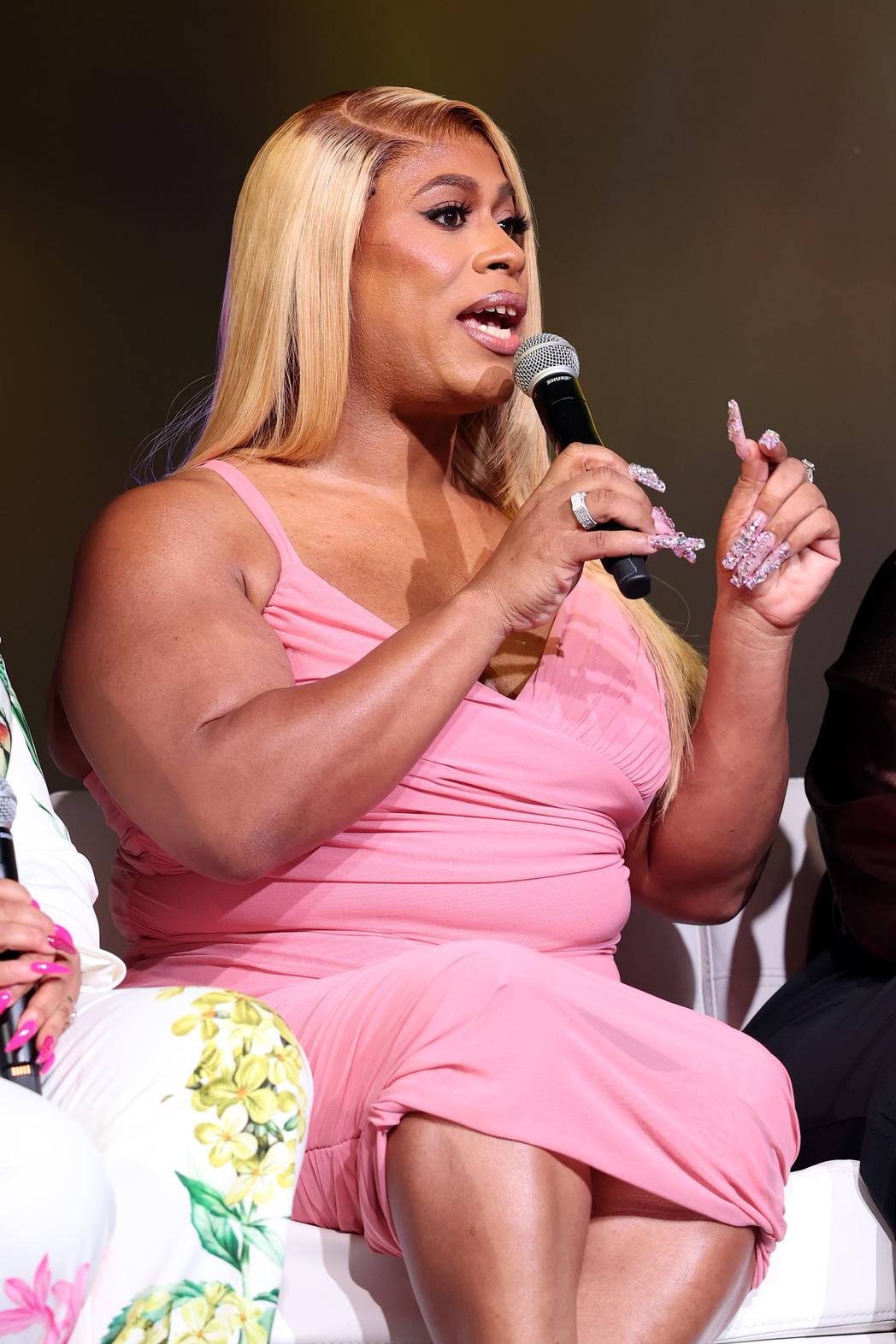
She recently posted a Substack essay on grace and compassion, entitled “The Importance of The Grace Quotient Strategy,” which reached more than 5,000 readers and serves as an example of the kind of work she hopes to do more of moving forward.
“It felt replenishing, it felt like action, and I also have the energy to do this. I get to show up and still have space, and I think that this version of activism will leave far more room for me than the work before,” she said.
The work may look different these days, but the activist said the biggest transformation has been internal. The experiences of the past few years have forced her to reconsider not only how she shows up for community, but also how she understands accountability itself. Today, she views accountability through a lens that acknowledges that everyone is capable of causing harm and of experiencing it. At its core, she said, that requires accepting that nobody is perfect.
“What accountability looks like for me is divesting from perfection,” Morgan said. “That doesn’t mean that I’m divesting from the best version of myself. It means I know the best version will never be perfect, and that’s okay.”
