
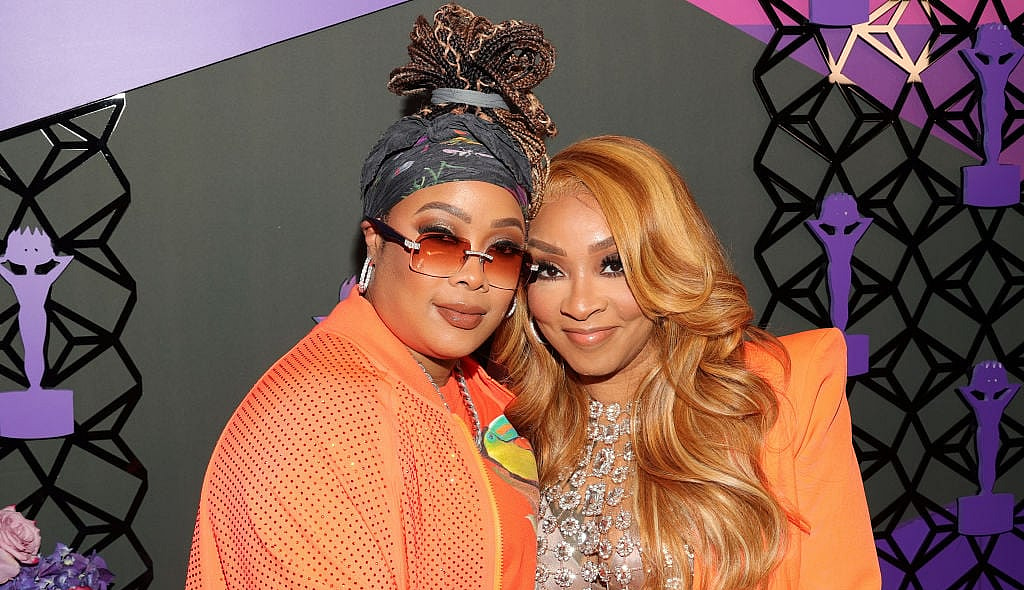
The argument started the way most real ones do. Small. Forgettable. Easy to dismiss.
A piece of weed-whacker string was sitting around. Someone wanted to throw it away. Someone else didn’t.
“That right there turned into something explosive,” Jesseca Judy Harris-Dupart said. “And we realized then that we needed to take into consideration how to better disagree, because ain’t no way in the world we’re arguing behind a weed whacker string that she don’t use.”
Da Brat jumps in quickly, still half-defensive, half-amused. It wasn’t about the string. It was about being told what she did or didn’t need. It was about autonomy.
“Don’t tell me what I don’t need,” she said.
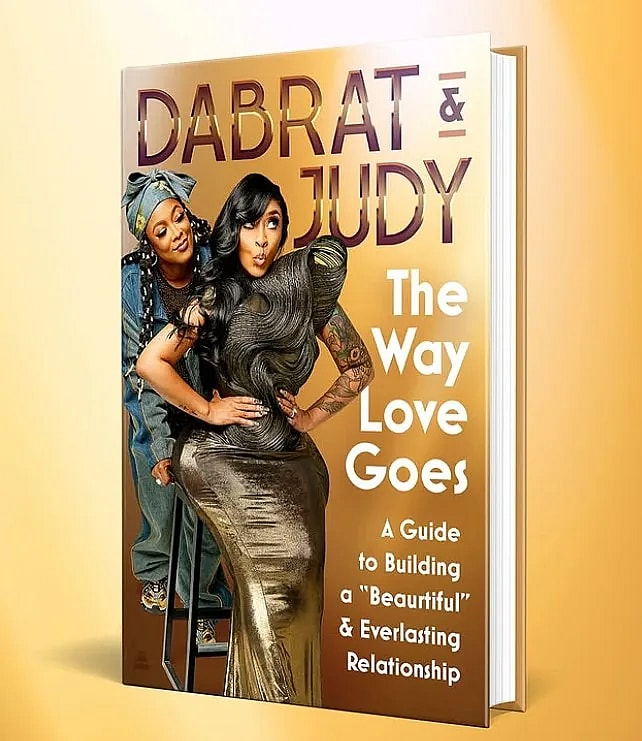
They laugh now. At the time, they didn’t. The disagreement forced them to slow down and look at how they were talking to each other, not just what they were arguing about. That moment, they say, changed how they handle conflict. It also became one of the building blocks for “The Way Love Goes,” their new memoir and relationship guide.
Rather than telling a glossy love story, the book focuses on the mechanics of staying together. The unsexy parts. The conversations that go sideways. The habits people bring into relationships without realizing it.
“The Way Love Goes” doesn’t read like a traditional celebrity memoir. Da Brat and Harris-Dupart move back and forth between their own story and broader lessons about relationships, drawing on moments that tested them and the tools they built along the way.
They write openly about communication breakdowns, setting boundaries, and taking responsibility for their part in a disagreement. They talk about identifying deal-breakers early, learning to appreciate differences instead of trying to erase them, and understanding when pride gets in the way of progress.
One of the book’s central ideas is what they call “fighting fair.” Not avoiding conflict, not pretending everything is fine, but learning how to argue without tearing each other down.
“It turned into something explosive,” Harris-Dupart said again, thinking back on the weed whacker argument. “That’s when we had to really reassess how we disagree.”
As their relationship grew, the work extended beyond conflict resolution. They had to figure out how to merge two full lives without losing themselves in the process.
For Da Brat, that meant adjusting to Harris-Dupart’s nonstop work schedule.
“I had to get used to her being on the computer and phone 24/7,” she said. “I had kind of trained myself to put my phone down, but she runs her business that way.”
Harris-Dupart, the founder and CEO of Kaleidoscope Hair Products, had her own adjustments to make. Loving someone with Da Brat’s level of fame came with a different kind of scrutiny.
“Once you’re with you,” she told Da Brat, “it’s like they changed the settings on the microscope.”
Those experiences show up in the book as conversations about balancing ambition with partnership, being transparent about finances, and accepting help instead of carrying everything alone.
For Da Brat, the most personal part of the book is the shift that happened internally.
For decades, she believed she would never live her personal life publicly. That belief started to crack after she met Harris-Dupart in 2017. Their relationship led to Da Brat coming out publicly in 2020, followed by marriage and parenthood.
“When my beautiful stole my heart, I wanted the world to know,” Da Brat said. “It made me love myself even more.”
Her definition of self-love doesn’t sound like the language of affirmations or self-help.
“I love her more than I love myself,” she said. “That’s my self-love. Loving her.”
The statement lands heavy, especially coming from an artist who spent years protecting her privacy in an industry that rarely made space for Black queer women to exist openly.
The couple’s relationship became familiar to audiences through their WE tv reality series Brat Loves Judy, which followed their lives beyond red carpets and headlines. Viewers watched them navigate business, blended family dynamics, and fertility struggles, including their IVF journey and the emotional toll that came with it, before welcoming their son, True Legend, in 2023.
For many viewers, the show stood out because it didn’t reduce their relationship to spectacle. It showed two Black women figuring things out in real time, sometimes awkwardly, sometimes painfully, often with humor.
That same tone carries into the book. It doesn’t promise a formula for perfect love. It offers something quieter and more useful: examples of how love can stretch, adjust, and survive when people are willing to look at themselves honestly.
Although Harris-Dupart had authored books before, this project marked Da Brat’s first time as a co-author.
“I didn’t think I would ever be an author,” Da Brat said. “So it feels amazing. It’s a great thing to have on my accomplishment list.”
Asked what they hope readers take away, Harris-Dupart didn’t hesitate.
“It’s never too late for love,” she said. “It’s OK to give a second chance. Don’t bring the mess of a past relationship into a new one.”
Da Brat nods. She wasn’t looking for love when it found her.
“And then she said she was interested,” she said, smiling.
“The Way Love Goes,” which is available for order, doesn’t sell a fantasy. It documents a choice. The choice to stay, to adjust, to argue better, and to keep choosing each other in the ordinary moments where long-term love actually lives.
