
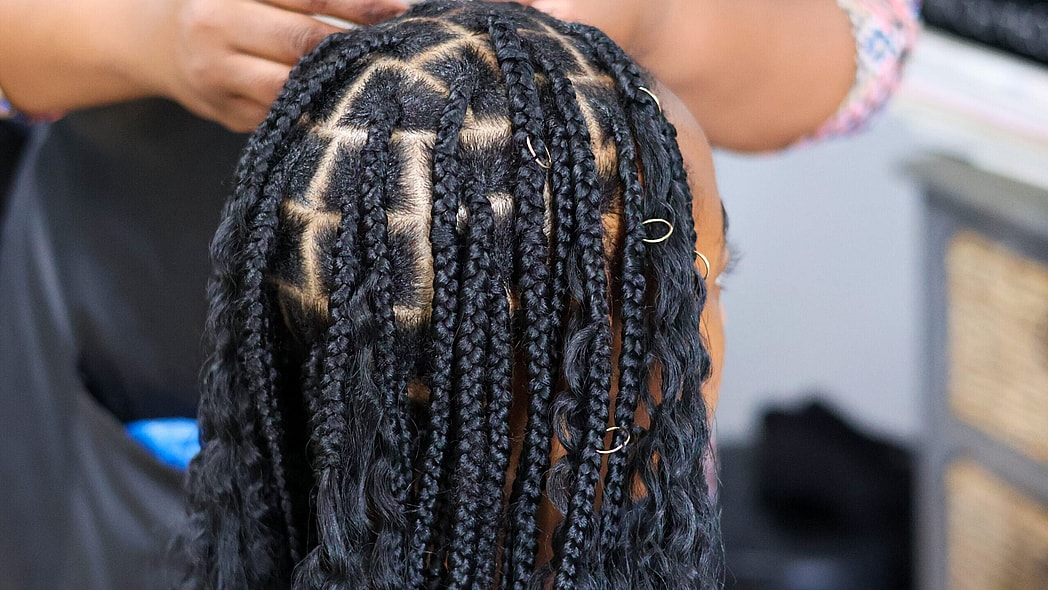
A year after it was found that synthetic braiding hair was filled with carcinogens, new research suggests there is even more to be concerned about.
A study published Wednesday (Feb. 11) in the journal Environment & Health found that some wigs, braiding hair, and extensions contain industrial chemicals more commonly found in pipes, pesticides, and vinyl flooring.
Researchers at the Massachusetts-based Silent Spring Institute analyzed 43 hair extension products purchased online and from beauty supply stores. The sample included synthetic hair, untreated “raw” human hair, and biobased fibers such as banana-based alternatives. In total, scientists detected 169 chemicals, including flame retardants, pesticides, and plastic-stabilizing compounds.
All but two of the products tested contained at least one hazardous chemical. Nearly 10 percent contained organotin compounds, synthetic chemicals linked to hormone disruption. In some cases, concentrations exceeded limits set by the European Union. The study’s authors say more research is needed before regulators can determine whether stricter oversight is warranted.
Two brands in the study, Spetra and Latched & Hooked, were identified as free of the hazardous chemicals detected in the analysis, NBC News reported.
The findings land at a time when the hair rituals of Black women and the products marketed specifically to them continue to face renewed scrutiny over potential health risks. More than 70 percent of Black women use hair extensions at least once a year, underscoring the importance of their safety.
In recent years, relaxers and other straightening products have also come under examination. Studies have linked frequent use of chemical hair relaxers and straighteners to a higher risk of uterine cancer, further fueling concerns about the long-term health impact of widely used hair products in Black communities.
Elissia T. Franklin, lead author of the latest study and a research scientist at Silent Spring Institute, told Scientific American she felt unsettled by the findings.
“On one hand, I’m excited to get the work out and share this new knowledge with the world,” Franklin said. “On the other hand, I’m learning this new information leans toward the idea that my community is deeply polluted with harmful chemicals, even down to practices that are so embedded in the culture, like getting braids.”
