
If you’ve ever tried to break into entertainment while juggling survival jobs, awkward networking events, and the quiet voice in your head asking “Is this really going to work?” then “Dreaming Whilst Black” probably feels painfully familiar.
The acclaimed comedy series created by and starring Adjani Salmon has built a devoted audience by doing something deceptively simple: telling the truth about the creative grind. What started as a scrappy web series has grown into a global production streaming across multiple platforms, but the heart of the show remains the same.
It’s still about the dreamers. And for Salmon, that growth has come with a deeper understanding of the power storytellers hold.
“When we initially made the web series, I just wanted to make something fun,” Salmon told theGrio during a recent conversation about the show’s second season. “But as the success of the show has grown, I’ve understood the gravity or the importance of being a storyteller and the importance of representation.”
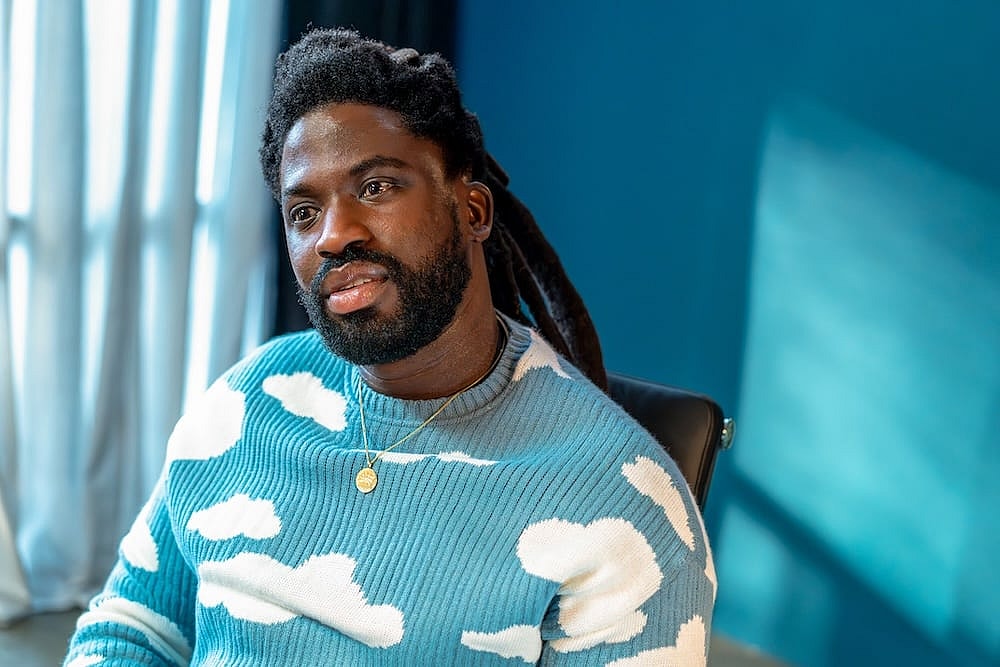
At the center of “Dreaming Whilst Black” is Kwabena (often called Kwabs), an aspiring filmmaker navigating the absurdity of the entertainment industry while trying to hold onto his creative vision.
If that struggle feels authentic, it’s because it is.
Salmon and his collaborators have lived those experiences themselves, working every imaginable job while trying to carve out space for their art.
“Between myself and my friends, we’ve done all the jobs,” Salmon said with a laugh. “And I think that’s what gave us the hunger to write.”
Those experiences also pushed Salmon to help change the narrative moving forward. Salmon explained that the team intentionally created opportunities for emerging talent behind the scenes, especially Black and brown creatives who often struggle to get their first industry break.
“We make sure we have trainee programs for Black and brown people,” he said. “We intentionally try to hire in that way and not just look for the most experience because we know that someone might be great and just hasn’t been given the chance.”
In other words, the show isn’t just about challenging the gatekeepers. It’s also about building new opportunities.
One of the reasons “Dreaming Whilst Black” resonates so deeply is its ability to blend humor with cultural insight.
Salmon sees that balance as part of a long tradition.
“I understand the responsibility historically of what storytellers meant for us,” he explained. “Art teaches.”
For Salmon, storytelling has always been a form of education disguised as entertainment. It’s why the show works on multiple levels. You can laugh at the absurd networking encounters and cringe-worthy industry moments. But if you lean in a little closer, you’ll find something more.
“We make something super funny and compelling,” Salmon said. “But if you dig a little deeper, you’ll see that thing we’re trying to say.”
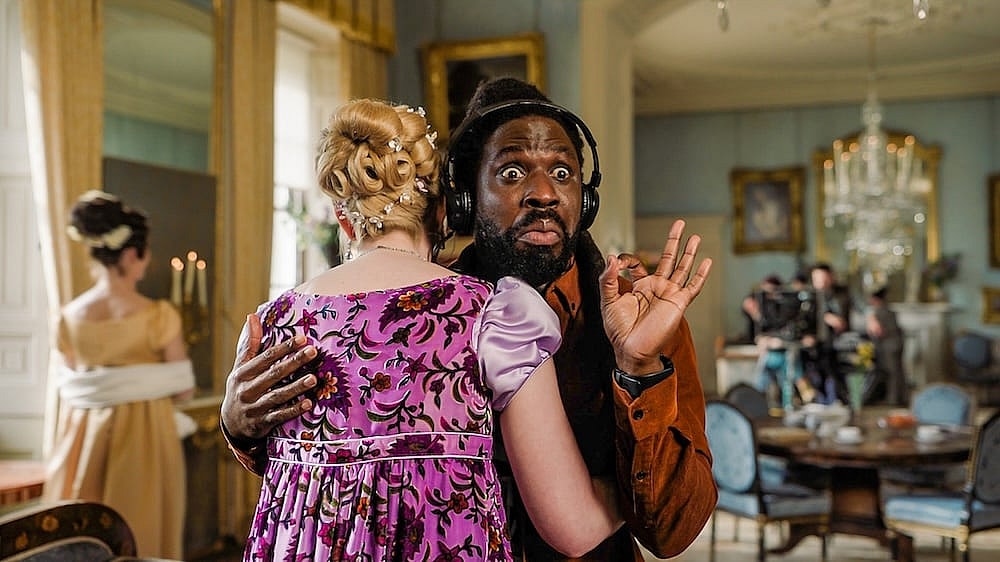
One of the show’s most memorable elements is Kwabs’ elaborate fantasy sequences, where his imagination runs wild in cinematic daydreams that range from historical dramas to surreal comedy. If you pay close attention, these fantasies reveal what Kwabs is too afraid to say in real life.
“Kwabs only dreams about the things he’s not brave enough to say,” Salmon said.
Interestingly, that realization didn’t come from Salmon at first. It was a writer in the room who noticed the pattern. Once the team understood the emotional logic behind those moments, they leaned into it even more in season two.
“If we’re going to dream,” Salmon said, “let’s really dream.”
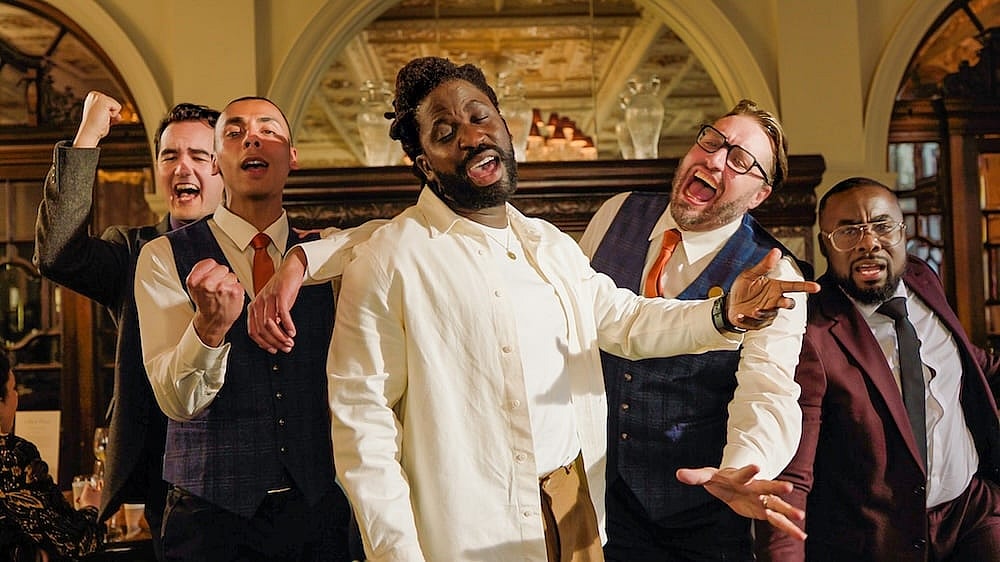
The result is a series of increasingly ambitious sequences that feel like mini-films inside the show. Season two also deepens the lives of the characters around Kwabs, giving audiences a more complete picture of the community supporting him. And according to Salmon, that shift came largely from the women in the writers’ room.
“They were like, ‘Are we actually going to learn about these women?’” he recalled.
The push helped transform the show from a singular story into something closer to an ensemble narrative, even within the tight 26-minute episode format. It also opened the door for one of the season’s most charming storylines involving Kwabs’ mother.
“I thought thematically it made sense,” Salmon said. “If we’re doing a rom-com episode, who’s the best person to put on a date? Actually… it’s his mom.”
As the series continues to grow, Salmon remains focused on the same principle that started everything. Intentional storytelling.
Because for him, the goal isn’t just to entertain. It’s to reflect the journey so many creatives know all too well: believing in a dream long before the world sees it. And if “Dreaming Whilst Black” has proven anything, it’s that sometimes the most powerful stories start with a simple idea and a group of friends willing to bet on themselves.
Season 2 of “Dreaming Whilst Black” is streaming now on Paramount +.
