
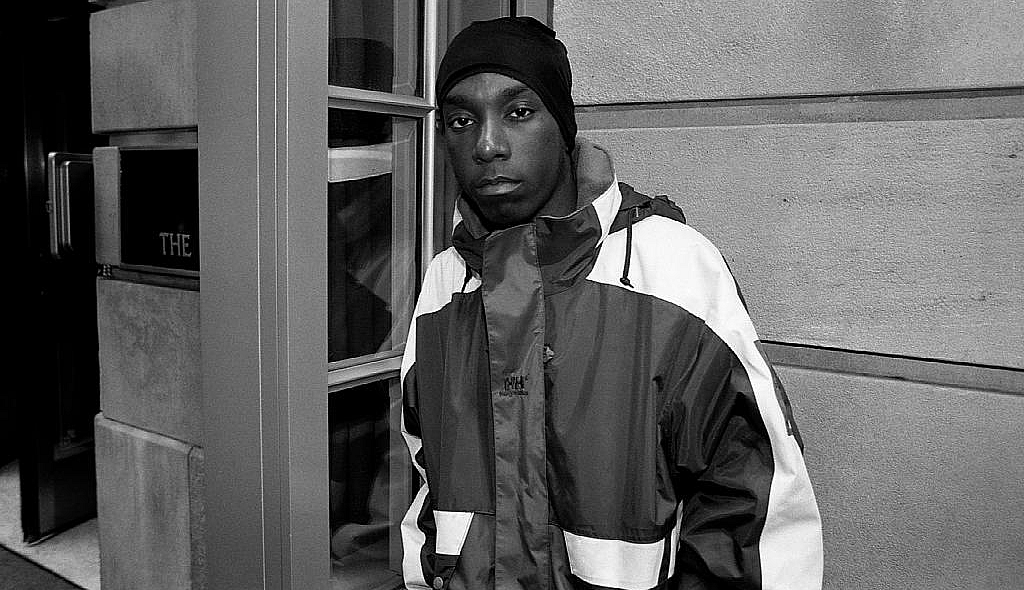
Nearly 30 years after the killing of Harlem rap legend Big L, his family says the full story has yet to be told—and they’re ready to change that.
According to a report from New York Post, a forthcoming documentary, “The Parable of Lamont,” aims to revisit the life and death of the influential MC, who was fatally shot in a 1999 drive-by shooting at just 24 years old. Best known for tracks like “Flamboyant,” “M.V.P.” and “Danger Zone,” Big L remains one of hip-hop’s most revered lyricists, with a legacy that continues to shape rap decades later.
Now, his brother Donald Phinazee is stepping forward publicly, promising that the film will offer clarity around a case that has long been clouded by speculation.
“Everything will be answered,” Phinazee said, according to the New York Post, which first reported the story. “For the first time, my family’s true story will be told, and it will be shocking.”
The documentary is expected to include never-before-seen home videos, unreleased footage and new testimony that could challenge widely held beliefs about the circumstances surrounding Big L’s killing.
Born and raised in Harlem, Big L’s music was deeply rooted in the environment that raised him. His debut album, “Lifestylez ov da Poor & Dangerous,” painted vivid portraits of life on the streets, often referencing the very block where he would later be killed—West 139th Street and Lenox Avenue, which he famously dubbed the “Danger Zone.”
Phinazee acknowledged that his brother’s story, like many from that era, cannot be separated from the realities of street life.
“Lamont was no saint,” he said, reflecting on the complexities of his brother’s upbringing and the influences around him.
Those influences included family ties to street activity. Big L’s older half-brother, Leroy “Big Lee” Phinazee, was reportedly connected to a notorious Harlem crew, a factor that investigators have long considered when examining possible motives behind the rapper’s murder.
At the time, authorities suggested the killing may have been retaliation tied to those affiliations or possibly a case of mistaken identity. A suspect was arrested months after the shooting but later released due to insufficient evidence.
The tragedy surrounding Big L did not end with his death.
In the years that followed, multiple members of his family were also killed within blocks of where he died, deepening the sense of unresolved grief and unanswered questions. His brother Leroy was killed in 2002, and his nephew—also named Leroy—was shot and killed in 2019. Their mother died in 2008.
For Phinazee, the cumulative loss has only intensified the need for clarity.
“My mother died of a broken heart,” he said.
The upcoming documentary appears to be both an attempt at closure and a reclamation of Big L’s narrative—one that goes beyond the headlines and into the lived experiences behind the music.
Despite the violence that marked his life and legacy, Big L’s impact on hip-hop remains undeniable. Known for his razor-sharp punchlines and effortless flow, he earned the respect of peers early on, even catching the attention of Jay-Z, who reportedly expressed interest in signing him.
For fans, the documentary represents more than a true-crime revisit. It’s a chance to better understand the man behind the music—and the environment that shaped both his brilliance and his fate.
A release date and distribution details for “The Parable of Lamont Coleman” have not yet been announced.
