
When Janet Jackson starred alongside Tupac Shakur in the 1993 cult classic “Poetic Justice,” with her waist-length chunky box braids, she started something for a generation.
Call it a trend or call it a cultural revolution, but individual braids of all sizes, lengths, and colors became even more commonplace shortly afterward. The exact style she wore while portraying the aspiring poet Justice became so iconic that women still walk into salons asking for “Poetic Justice braids,” and stylists know exactly what they mean. Around the same time, Venus and Serena Williams also burst onto tennis courts with beaded braids, helping usher protective styles further into the mainstream.
Another defining chapter arrived in the 2010s as the natural hair movement gained momentum. Beyoncé wore braids throughout “Lemonade.” More recently, former First Lady Michelle Obama has embraced braided styles publicly. Yet as braids have remained culturally relevant, appointments have only grown longer, more labor-intensive, and more expensive.
Many women now think twice before booking a style that can take an entire day or longer to install, despite the convenience, protection, and versatility braids offer. The hair-braiding industry generates hundreds of millions of dollars annually, while Black women collectively spend billions of hours in salon chairs around the world. Though braiding has existed for thousands of years, the process itself has changed very little. That is the problem HaloBraid hopes to solve.
Launching this fall, HaloBraid is billed as the world’s first patented braid-assist device, designed to cut knotless braid appointments roughly in half and give Black women—both the stylists creating the looks and the clients wearing them—back one thing that’s increasingly hard to come by: time.
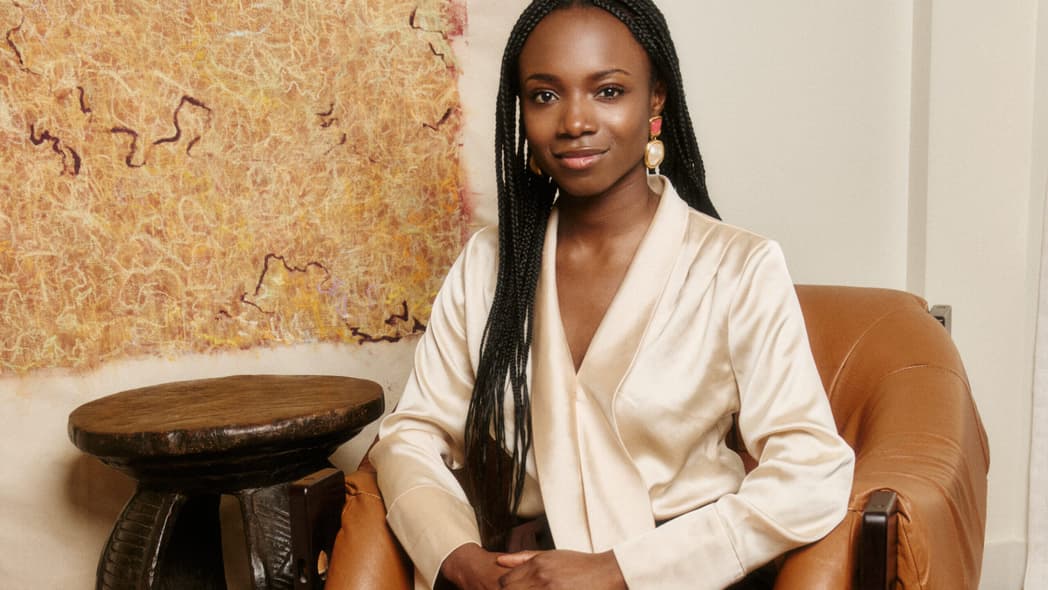
“Our research addresses like 8 billion hours in a braiding chair here, and the predominant group that’s spending those hours is Black women,” Yinka Ogunbiyi, founder and inventor of HaloBraid, told theGrio over Google Meet a day before National Crown Day on July 3. “What would it mean to give Black women back a billion hours of time each year?”
In June, HaloBraid announced $7 million in funding to bring its braid-assist technology to market. Backed by investors including Serena Williams’ husband, Alexis Ohanian, the company plans to introduce the device through salon partnerships beginning this fall. Rather than replacing professional braiders, the technology is designed to work alongside them, assisting with the repetitive braiding process to reduce appointment times and physical strain while allowing stylists to maintain control of the service.
For Ogunbiyi, a London-born, Harvard-trained biomechanical engineer and chef/recipe developer who has worn braids most of her life, the idea came from personal frustration. During the pandemic in 2020, she found herself between braid appointments and unable to leave her home, so she attempted to do knotless braids herself. It took four days.
“It was then that I asked, ‘Where is the device to make this faster for me?’”
When she couldn’t find one, she decided to build it. Alongside co-founder David Afolabi, Ogunbiyi spent the next four years developing HaloBraid. Together, they surveyed more than 2,200 braid wearers, interviewed 200 stylists, built more than 600 prototypes, and won Harvard’s President’s Innovation Challenge in 2025, earning $75,000 in non-dilutive funding to help validate the technology before eventually raising millions more.
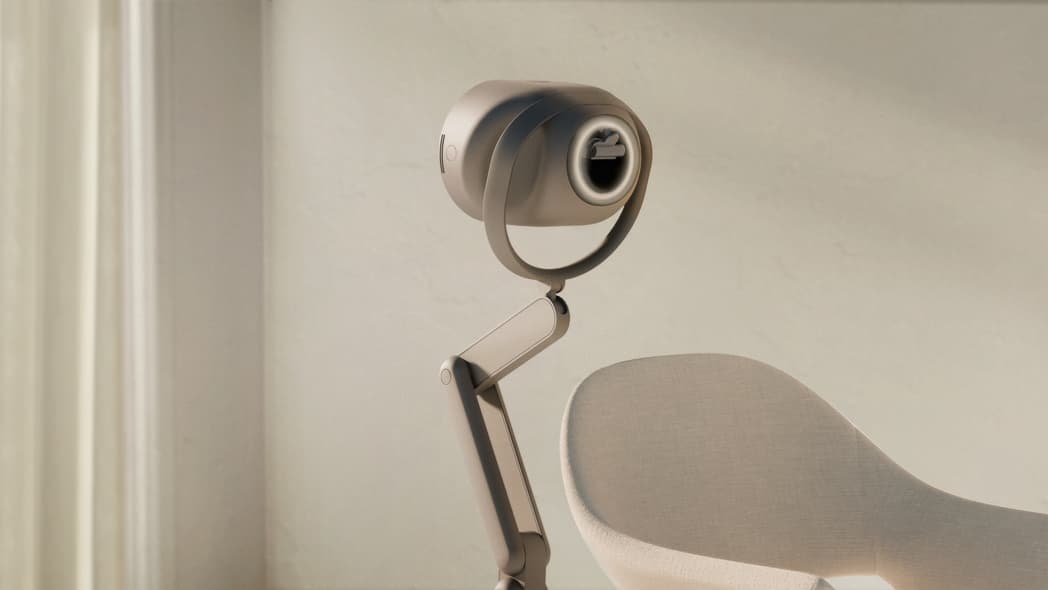
The result is a sleek, beige standing device resembling a high-end salon dryer. After a stylist sections and begins each braid, Halo completes the repetitive braiding motion before the stylist finishes the style. While demos have yet to be released, Ogunbiyi has been using the device on her hair and arrived for our interview with her hair in knotless braids finished by the device.
The debut arrives at a moment when artificial intelligence and automation often raise fears about replacing human labor. Plus, many fans of getting their braids are concerned that the more traditional, communal experience of braiding is dying out. Ogunbiyi insists Halo was designed with the opposite goal.
“I don’t think anything will get lost from the experience,” she said. “If anything, it enriches it.”
She added, “We built this with stylists at the core of everything that we’re doing. We built this to assist stylists, not to replace them.”
That distinction became especially important after speaking with professional braiders about the physical toll of the profession. Many described developing carpal tunnel syndrome, arthritis, chronic back pain, and other repetitive stress injuries after years behind the chair. One stylist even told Ogunbiyi she struggled to hold her newborn because her hands were so sore after long days of braiding.
“The impact that stylists are telling us this would have is that this would be a game changer,” she said.
The clientele is equally enthusiastic. Company surveys found that 95% of respondents said they would get braids more often if appointments were faster.
“If I look at hair care, I think it’s often been [about] self-preservation and people coming up with new and creative ways to survive and thrive and be able to like show up in society and feel presentable,” Ogunbiyi explained. “I’m excited to be bringing a tool that makes that easier and more of an uplifting experience.”
HaloBraid will debut through pop-up events at participating salons this fall throughout the Northeast before expanding more broadly. The company says more than 7,000 salons have already joined its waiting list.
For Ogunbiyi, however, the technology has always been about something much bigger than speed.
“A lot of people are realizing that braids are beautiful,” she said. “We spoke to so many people who were like, “I’m a braids girl now. I had a different hairstyle growing up, but now I recognize that I feel beautiful in this style.”
She described how people have said things like they feel like they got a facelift, that’s how affirming braids can be, and that for many women, whether they’re looking for something convenient in a world that enforces European beauty standards or an aesthetic refresh, “You wouldn’t recognize how essential the hairstyle is, and how it’s not just an ‘option.’ People are going to spend the time and the money and everything they can to get it done, and we’re just making it more accessible and more enjoyable.”
