
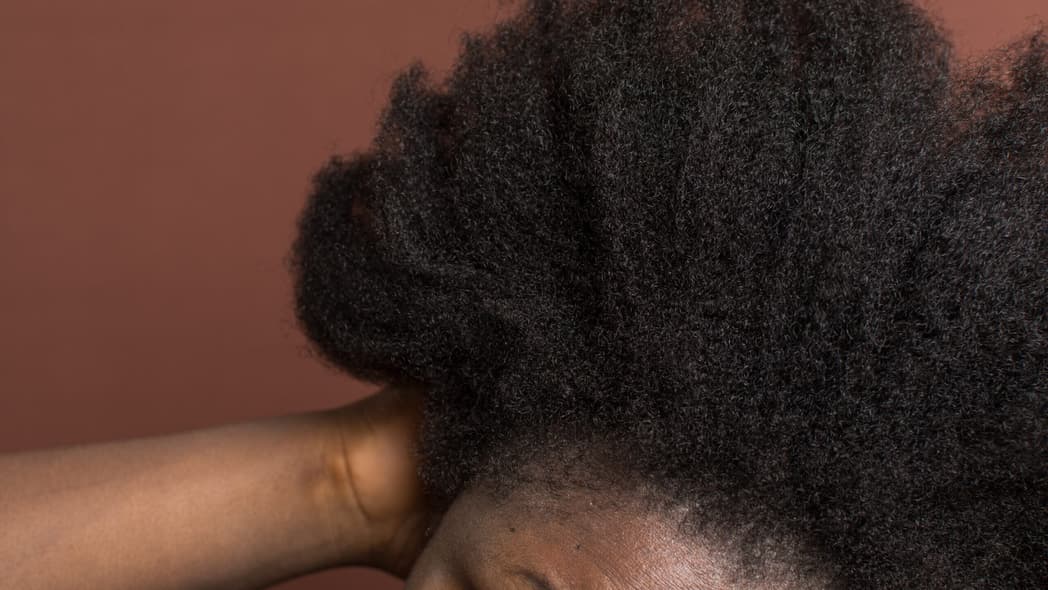
Black hair has never just been hair. It’s culture. It’s resistance. It’s joy. It’s also been the source of much discourse. Throughout history, Black hair has sparked national debates, endured discrimination, inspired trends across cultures, and even changed laws.
As National CROWN Day—which commemorates the first passage of the CROWN Act on July 3, 2019—approaches once again on Friday, July 3 at a time when diversity, equity, and inclusion have been under increased threat along with Black culture and history, the conversation around Black hair remains as relevant as ever.
In honor of the day, we’re looking back at seven defining times Black hair became a national conversation. From the 18th-century Tignon Laws that forced many Black women in Louisiana to cover their hair to Jay-Z revealing why he combed out his locs Black hair has repeatedly found itself at the center of conversations far bigger than style. Some of these moments challenged long-standing stereotypes, others celebrated Black identity and self-expression, but each helped shape how the country talks about Black hair today.
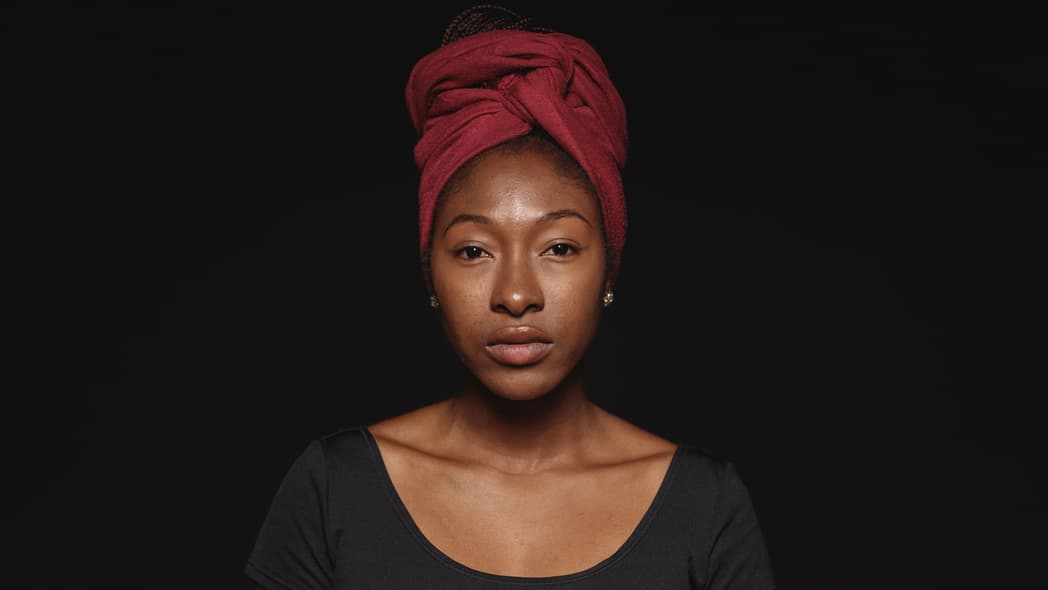
The Tignon Laws
To understand why we even need a CROWN Day and a CROWN Act, let’s go back in time. Way back to 1786, when the Tignon Laws were enacted in colonial Louisiana.
Issued by Spanish Governor Esteban Rodríguez Miró, the laws required many Black and Creole women of African descent to cover their hair with headwraps known as tignons in an effort to reinforce racial and social hierarchy. The intent was to make Black women appear less fashionable and less threatening to white society. As Black people have always done, however, they found beauty and creativity even under oppression. Rather than simply complying, many women transformed the mandated headwraps into elaborate fashion statements using vibrant fabrics, intricate wrapping techniques, and adornments.
So think about that the next time you see someone confidently wearing a bonnet or beautifully styled head wrap out in public!
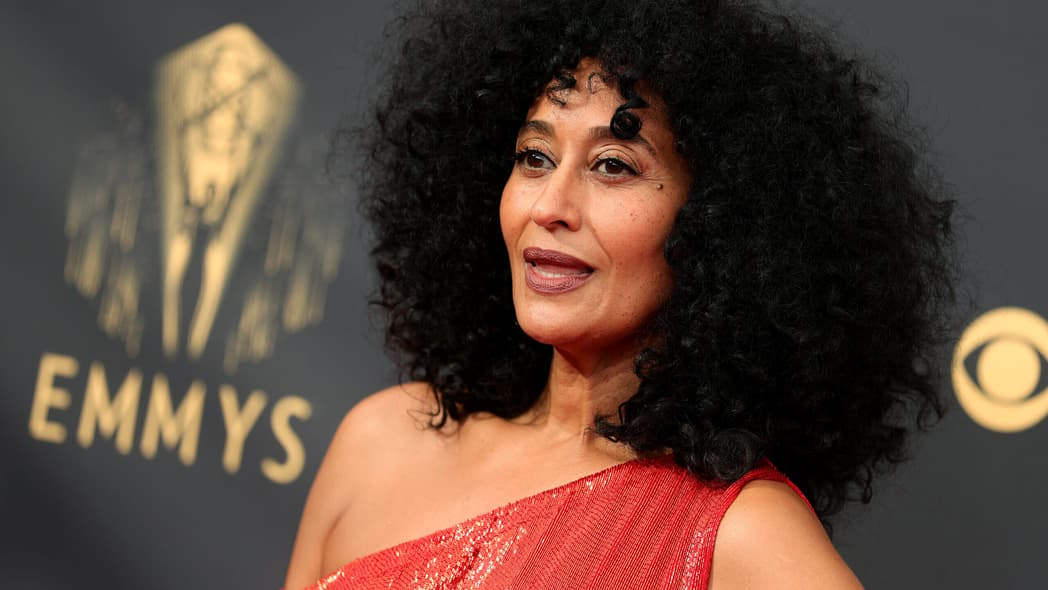
The “Cloud Bob” controversy and the complex history of the Afro
Earlier this year, Vogue sparked backlash after using Afro imagery (of Tracee Ellis Ross to be exact) while describing a hairstyle as the “cloud bob.” Many Black readers viewed the language as another attempt to rename and detach one of the most recognizable Black hairstyles from its cultural roots, reigniting conversations around cultural appropriation and who gets to define Black beauty.
Given the Afro’s history as a symbol of Black pride, resistance, and political identity throughout the Civil Rights and Black Power movements of the 1960s and 1970s, many argued that giving it a trendy new name felt almost like an attempt at an erasure of that layered history.

When Jay-Z combed out his locs
When Jay-Z took the stage during The Roots Picnic in Philadelphia in May with the locs he’d spent years growing fully combed out, fans immediately began debating whether locs could really be undone. The conversation became an unexpected teachable moment and reminder in real time that locs are a rather versatile protective style. Later, the rapper revealed that part of his hair journey has been about modeling a healthy relationship with Black hair for his children—particularly his eldest daughter, Blue Ivy—and ultimately anyone with Black hair.
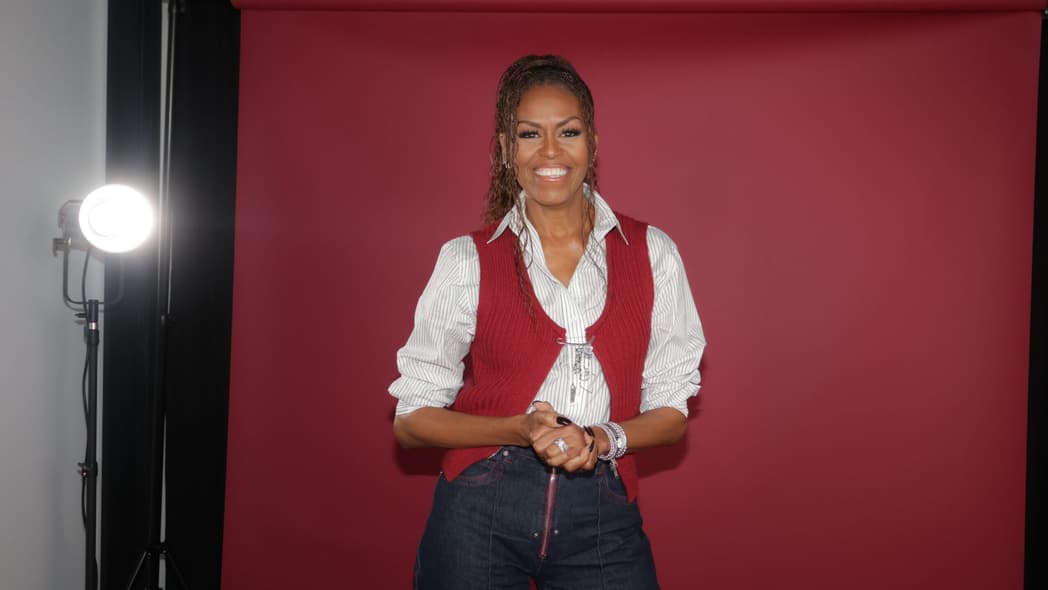
Michelle Obama embracing her natural hair and protective styles post the White House
Throughout her eight years as First Lady, Michelle Obama largely wore her hair straight or in softly curled styles. After leaving the White House in 2017, photos of Obama wearing her natural curls while on vacation quickly went viral, with many Black women celebrating the freedom the look represented. She later appeared on the cover of Essence magazine with a voluminous curly mane, fully leaning into a post-White House style reset.
In the years since, the former First Lady has continued embracing everything from her natural texture to braids, as her post-White House style continues to reflect her freedom of expression and evolve with her life beyond 1600 Pennsylvania Avenue.
The “boxer braids” debate
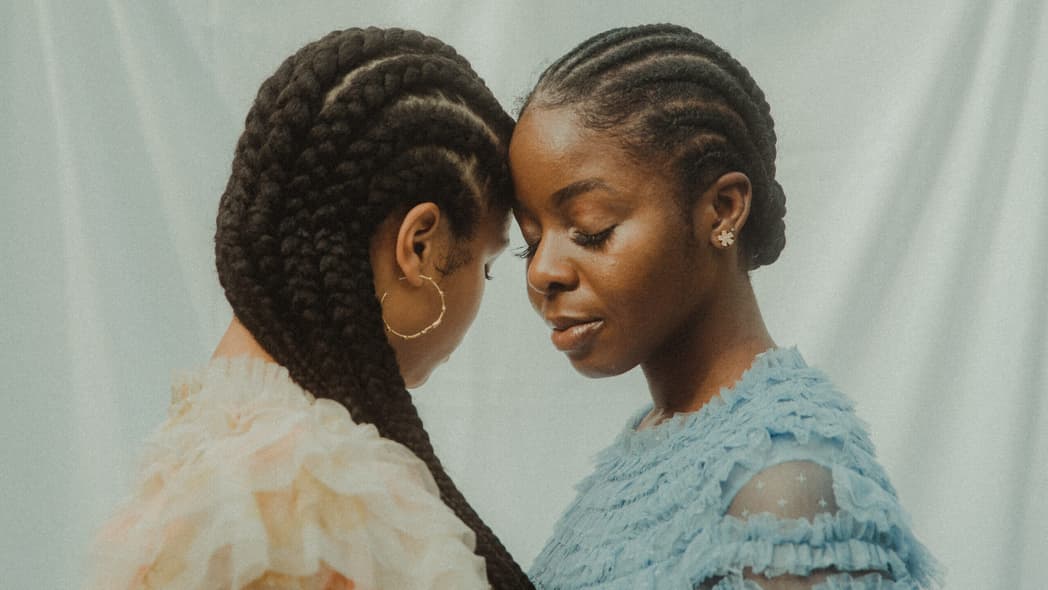
Long before the “cloud bob was even a thought, there were “boxer braids.” During the height of the natural hair movement in the mid-2010s, cornrows and other protective styles became increasingly popular beyond the Black community. When celebrities like Kylie Jenner and her big sister, Kim Kardashian, began wearing cornrows, several fashion and beauty publications celebrated the look as the latest trend, calling it “boxer braids,” often failing to acknowledge the hairstyle’s centuries-old African origins.
The subtle attempt at rebranding sparked immediate backlash, with actress Amandla Stenberg among those calling out the double standard and the moment for what it was: cultural appropriation. The backlash was never about gatekeeping hairstyles. It was about how Black people have historically been criticized, penalized, and discriminated against for wearing the very same styles that suddenly became fashionable once they appeared on non-Black celebrities.
When Zendaya defended her faux locs
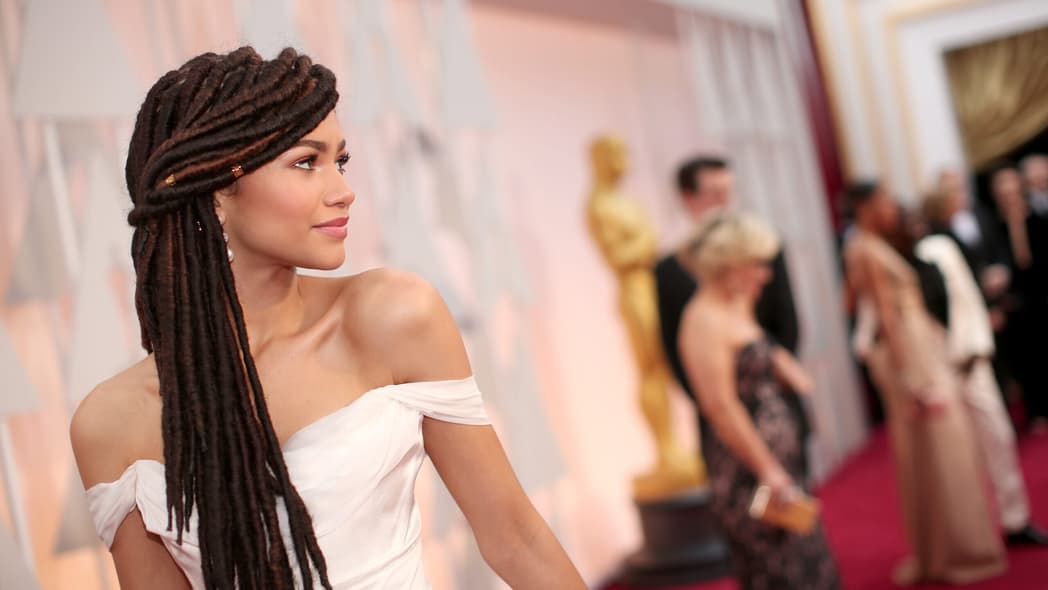
Around the same time in 2015, Zendaya arrived at the 87th Academy Awards wearing an elegant ivory gown paired with a soft glam that included faux locs.
While many praised the look, then-“Fashion Police” host Juliana Rancic remarked that Zendaya looked like she smelled of “patchouli oil” or “weed”—comments widely criticized as relying on racist stereotypes about Black people and centuries-old Black hairstyles.
Zendaya responded with a thoughtful statement explaining why the remarks were offensive, writing that there was already harsh criticism of African American hair in society. Her response sparked a national conversation about coded language, beauty standards, and the stereotypes Black people continue to face simply because of how they wear their hair. It also led to the demise of “Fashion Police” and that style of fashion commentary as we know it.
The passage of the CROWN Act
Just as legislation shaped generations of discrimination against Black hair, legislation has also become one of the country’s most powerful tools for dismantling it.
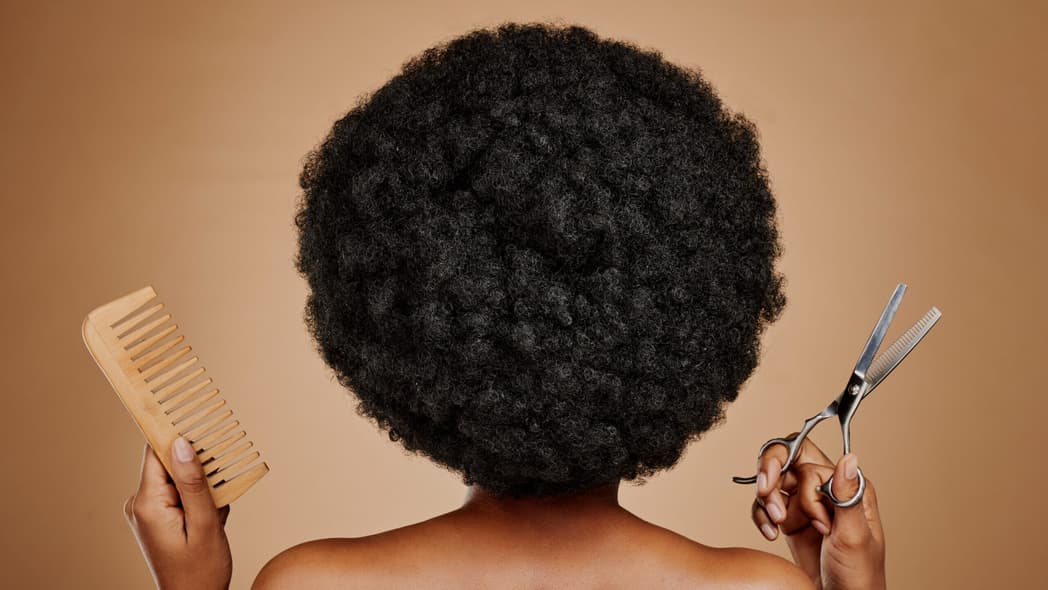
On July 3, 2019, California became the first state to pass the CROWN Act, short for “Creating a Respectful and Open World for Natural Hair.” Introduced by then-State Sen. Holly J. Mitchell earlier that year, the landmark legislation expanded the legal definition of race to include hair texture and protective hairstyles such as locs, braids, twists, and Bantu knots in schools and workplaces. In the years since, the movement has continued to grow, with more than half the country (26 additional states) adopting CROWN laws or similar protections.
.
