
Thirty minutes before Dr. Lakiea Bailey joined a call with theGrio, she had been released from care after a sickle cell crisis.
“I do not feel well at all,” Bailey said candidly. “If it wasn’t for my stubbornness, I probably would be back in the hospital.”
Bailey, founder and executive director of the Sickle Cell Community Consortium, was quick to make clear that she was not encouraging other sickle cell warriors to push themselves through a crisis. She had undergone testing and knew she was not experiencing a cardiac or pulmonary emergency. Still, she was in significant pain.
For Bailey, that reality says something about living with a disease that can regularly interrupt plans, careers, and everyday life.
“We learn how to hurt,” she said. “We learn how to be in pain.”
The challenge, she explained, is learning which pain is disruptive enough to require medical care and which pain can be managed at home. Despite the frequency with which people with sickle cell disease are hospitalized, Bailey said much of the community’s suffering happens outside of public view.
“We are not faking to be sick,” she said. “More than likely, most of the time, we are faking being well.”
That candor comes at a moment of genuine hope for the sickle cell community.
As theGrio reported last month, 23-year-old Daniel Cressy became the first person in the Gulf Coast region to be functionally cured of sickle cell disease through gene editing therapy. The milestone is the kind of breakthrough patients and families have waited generations to see. But Bailey says the public conversation cannot end with the word “cure.”
“I think the word cure is a bit fanciful,” she said.
Bailey is excited by transformative therapies, including bone marrow transplants, gene therapies and gene editing. She has even served in advisory roles related to advances in the field. But she cautioned that stopping the sickling process does not reverse damage the disease may have already caused, nor does it eliminate every medical need that can remain after treatment.
The fight for access
Some transformative therapies carry multimillion-dollar price tags, Bailey noted. While patients may not personally pay those full costs and advocates are working to expand insurance coverage, she said major roadblocks remain.
She recalled one sickle cell warrior putting the frustration this way: “Everyone wants me in their trial, but no one wants to treat my disease.”
For Bailey, the urgency is not only about making new treatments available. It is also about improving the care people with sickle cell disease receive right now.
She described patients entering hospitals in severe pain only to be accused of seeking drugs or sent home without adequate treatment. The experience can become so dehumanizing, she said, that some warriors avoid seeking care altogether.
“We find ourselves having to choose between death and dignity,” Bailey said.
It is the kind of disconnect the Sickle Cell Community Consortium was created to confront.
From July 22 to July 26, the organization will host its 13th annual Warriors Convention, known as Warrior Con ’26, at the Sheraton Gateway Los Angeles Hotel. This year’s theme, “Legacy in Action: The Next Move,” reflects a decade of advocacy while asking where the community goes from here.
Bailey said that when the convention began, the need was simple but largely unmet: Patients and caregivers needed to be at the center of decisions being made about their own lives.
“There was a need to harness the power of the patient voice,” she said. “We believe that we are the most important voice in the room, in any room involving sickle cell.”
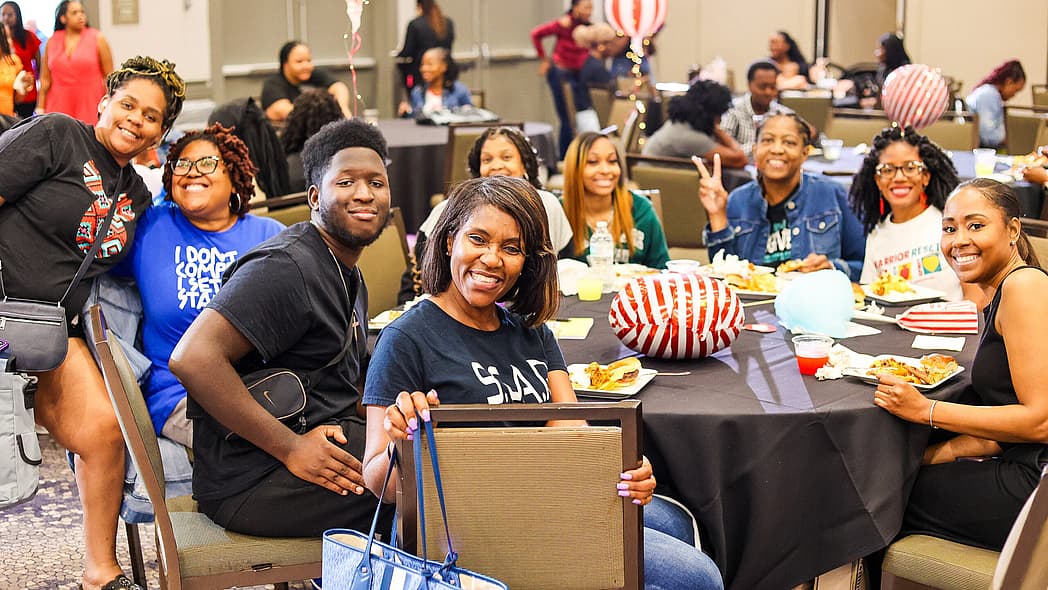
What began as a cruise has grown into one of the country’s largest patient-led sickle cell gatherings. More than 600 patients and caregivers attended last year’s convention in Orlando, according to Bailey.
This year’s programming includes sessions for men, caregivers, young people, people with sickle cell trait, and what the organization calls post-transformative warriors. A treatments, therapies, and technologies expo will connect attendees with researchers and innovators, while mental health and wellness programming will address the emotional weight of living with chronic illness.
The goal, Bailey said, is to create something with the community rather than simply for it.
“When you’re living with a chronic illness, you are told all the things you can’t do,” she said. “Helplessness is learned. And we decided that if helplessness can be learned, then it can be unlearned.”
That sense of visibility extends beyond health care.
For many Black Americans, celebrities have historically been an early introduction to diseases that were not always openly discussed at home or in school. TLC singer T-Boz, who has publicly lived with sickle cell disease throughout her career, was one of the first celebrities this reporter remembers connecting to the illness.
Bailey said that kind of visibility matters, but there still is not enough of it.
“We are here, and we do matter, and our children matter,” Bailey said. “We are doctors and lawyers and nurses and race car drivers. We are all things that all people are.”
Ultimately, Bailey wants people who attend Warrior Con to leave with something medicine alone cannot provide: Tribe.
When the convention ends, she doesn’t want attendees to leave with just information, but also with a village of support behind them.
“They leave empowered,” she said, “ready to take on the world because they can.”
